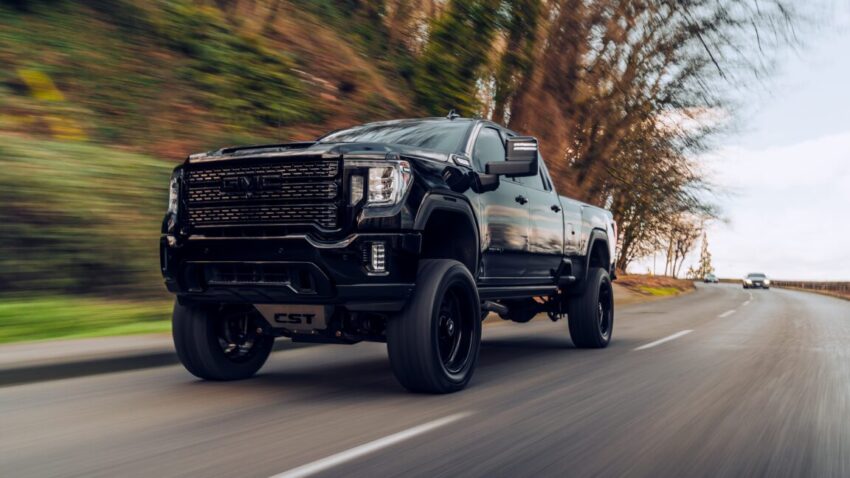
no f-150 in france us automakers complain U.S. automakers are expressing concerns over new European Union vehicle regulations that could hinder the export of popular full-size pickups like the Ford F-150 to Europe.
no f-150 in france us automakers complain
Background of the Trade Dispute
The ongoing trade tensions between the United States and the European Union have been exacerbated by recent developments in vehicle regulations. These tensions began escalating during President Trump’s administration, which initiated a trade war that has had far-reaching implications for various industries, including automotive manufacturing. As negotiations continue to find common ground, the American auto industry is now facing a new hurdle that threatens its ability to export full-size trucks to the European market.
Concerns Over EU Regulations
According to a report by the Financial Times, U.S. negotiators have raised alarms that the EU’s impending changes to vehicle regulations could significantly restrict the export of American full-size pickups, including the highly popular Ford F-150. The potential inability to sell these vehicles in Europe is seen as a violation of the spirit of the trade deal being negotiated between the two entities.
Impact on American Automakers
The Ford F-150 is not just a vehicle; it is a symbol of American automotive engineering and a cornerstone of Ford’s lineup. The truck has consistently been one of the best-selling vehicles in the U.S. and has a loyal customer base. However, the EU’s regulatory framework poses unique challenges for American manufacturers.
Differences in Vehicle Certification
One of the fundamental differences between the U.S. and EU automotive markets lies in their vehicle certification processes. In the United States, the National Highway Traffic Safety Administration (NHTSA) employs a system known as self-certification. Under this system, original equipment manufacturers (OEMs) are responsible for declaring that their vehicles comply with federal motor vehicle safety standards. Once an OEM submits this declaration, the vehicle can be sold without prior government approval. This approach allows for a more streamlined process, enabling quicker market entry for new vehicles.
However, this self-certification model raises concerns regarding consumer safety. If a defect is discovered after a vehicle is on the market, the NHTSA has the authority to mandate a recall. This post-market oversight is a reactive measure rather than a proactive one, which can lead to safety issues for consumers.
EU’s Pre-Approval Process
In contrast, the European Union has a more rigorous pre-approval process for vehicles. Before a vehicle can be sold in the EU, it must undergo a series of tests and evaluations to ensure compliance with stringent safety and environmental standards. This process can be time-consuming and costly for manufacturers, particularly for those looking to enter the market with larger vehicles like full-size pickups.
The EU’s regulations are designed to prioritize consumer safety and environmental protection, but they also create barriers for American automakers who may not be able to easily adapt their vehicles to meet these standards. As a result, the prospect of exporting full-size trucks like the F-150 becomes increasingly complicated.
Stakeholder Reactions
The reactions from various stakeholders in the automotive industry have been mixed. U.S. automakers are understandably frustrated by the potential restrictions on their ability to sell full-size pickups in Europe. Many industry leaders argue that these regulations are not only detrimental to their businesses but also to consumers who may benefit from the availability of a wider range of vehicle options.
Automakers’ Perspectives
Ford, General Motors, and other American automakers have expressed their concerns through trade associations and direct communications with government officials. They argue that the restrictions on full-size pickups could lead to a significant loss of market share in Europe, where demand for larger vehicles has been growing. The inability to sell these trucks could also result in job losses in the U.S. as manufacturers scale back production to meet changing market dynamics.
EU Officials’ Stance
On the other hand, EU officials maintain that their regulations are necessary to ensure consumer safety and environmental sustainability. They argue that the automotive industry must adapt to these standards, which are designed to reduce emissions and improve vehicle safety. EU representatives have indicated that they are open to discussions with U.S. automakers to find a mutually agreeable solution, but they remain firm in their commitment to uphold their regulatory framework.
Broader Implications for Trade Relations
The potential restrictions on the export of full-size pickups to Europe could have broader implications for U.S.-EU trade relations. The automotive industry is a significant contributor to both economies, and disruptions in this sector could lead to a ripple effect across other industries. A decline in vehicle exports could also impact the U.S. trade balance, further complicating negotiations between the two entities.
Future of U.S.-EU Trade Negotiations
As both sides continue to negotiate, the automotive industry will likely remain a focal point of discussions. The U.S. government may need to advocate more vigorously for American automakers to ensure that they can compete effectively in the European market. This could involve seeking exemptions or adjustments to the proposed regulations that would allow for the continued export of full-size pickups.
Consumer Impact
For consumers, the implications of these regulatory changes are significant. If American full-size pickups are restricted from entering the European market, consumers may face limited options when it comes to vehicle selection. This could lead to higher prices for available vehicles and a decrease in competition, ultimately impacting consumer choice and satisfaction.
Conclusion
The ongoing trade tensions between the U.S. and the EU are reaching a critical juncture as American automakers voice their concerns over new vehicle regulations that could restrict the export of full-size pickups like the Ford F-150. The differences in vehicle certification processes between the two regions highlight the challenges faced by U.S. manufacturers in adapting to EU standards. As negotiations continue, the outcome will not only affect the automotive industry but also have broader implications for trade relations and consumer choice in both markets.
Source: Original report
Was this helpful?
Explore more: More Business & Startups Tech News Blog
Last Modified: April 8, 2026 at 9:36 pm
15 views