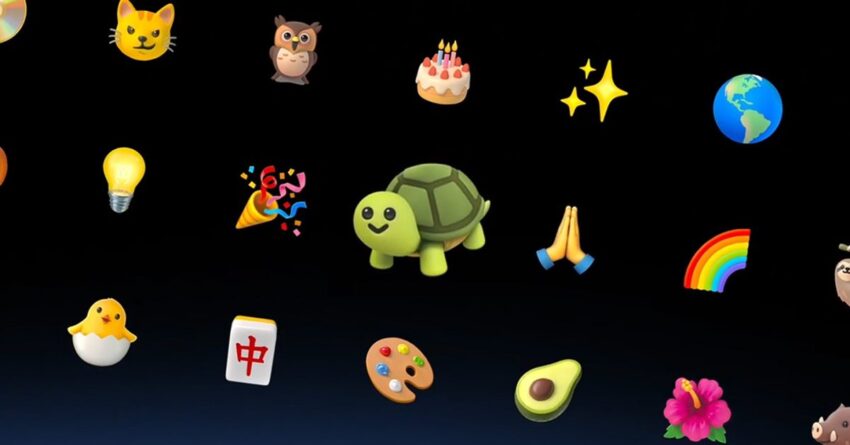
no android 17 s new 3d emoji Google’s recent update to its emoji designs has sparked widespread speculation regarding the involvement of artificial intelligence in their creation, particularly concerning the new 3D emoji introduced in Android 17.
no android 17 s new 3d emoji
Background on Emoji Evolution
Emojis have become an integral part of digital communication, allowing users to express emotions and ideas visually. Since their inception in the late 1990s, emojis have evolved significantly, transitioning from simple 2D images to more complex and nuanced representations. This evolution has been driven by technological advancements and the growing demand for more expressive digital communication tools.
In recent years, major tech companies, including Google, Apple, and Microsoft, have invested heavily in enhancing their emoji libraries. These updates often include new designs, additional characters, and improved accessibility features. As part of this trend, Google has introduced a new set of 3D emojis in its latest Android 17 update, which has raised questions about the methods used in their creation.
The Speculation Around AI-Generated Emojis
With the rise of artificial intelligence in various fields, including graphic design and content creation, many users speculated that Google might have employed AI to generate its new 3D emojis. This speculation was fueled by the increasing prevalence of AI tools that can create images and designs based on user input. The idea that a tech giant like Google would leverage AI for such a popular feature seemed plausible to many.
However, Google has clarified that the new 3D emojis are not AI-generated. Instead, they are “hand-modeled,” meaning that skilled designers manually created them using traditional modeling techniques. This approach ensures a level of artistic integrity and attention to detail that automated systems may not achieve.
Understanding Hand-Modeling
Hand-modeling is a process that involves creating 3D objects using specialized software, often requiring a deep understanding of design principles and artistic skills. Designers use various tools to shape, texture, and color the emojis, ensuring that each one conveys the intended emotion or concept effectively. This method allows for greater creativity and customization, resulting in unique designs that resonate with users.
By choosing hand-modeling over AI generation, Google emphasizes its commitment to quality and user experience. The company aims to provide emojis that not only look appealing but also reflect the diverse range of human emotions and experiences. This decision aligns with Google’s broader strategy of enhancing user engagement through thoughtful design.
The Implications of AI in Design
The discussion surrounding AI-generated content is not limited to emojis. As AI technology continues to advance, its implications for various creative fields are becoming increasingly significant. Many artists and designers are concerned about the potential for AI to replace human creativity, leading to job displacement and a loss of artistic integrity.
While AI can assist in generating ideas and automating certain tasks, it lacks the emotional depth and contextual understanding that human creators bring to their work. This distinction is particularly important in fields like graphic design, where the nuances of human expression play a crucial role in effective communication.
Stakeholder Reactions
The announcement that Android 17’s 3D emojis are hand-modeled has elicited a range of reactions from stakeholders in the tech and design communities. Many designers have expressed relief, appreciating Google’s commitment to traditional design methods. They argue that hand-crafted designs foster a deeper connection with users, as they often carry a sense of authenticity and care.
On the other hand, some industry observers have pointed out that the use of AI in design is not inherently negative. They argue that AI can serve as a valuable tool for designers, enabling them to streamline their workflows and explore new creative possibilities. This perspective suggests a potential for collaboration between human designers and AI technologies, rather than a competition for dominance.
Google’s Approach to Emoji Design
Google’s approach to emoji design reflects its broader philosophy of prioritizing user experience and inclusivity. The company has made significant strides in ensuring that its emoji library is diverse and representative of various cultures and identities. This commitment to inclusivity is evident in the wide range of skin tones, gender representations, and cultural symbols available in Google’s emoji set.
In addition to aesthetic considerations, Google has also focused on accessibility. The new 3D emojis are designed to be easily recognizable and understandable, catering to users with varying levels of digital literacy. This attention to detail enhances the overall user experience, making communication more effective and enjoyable.
The Future of Emoji Design
As technology continues to evolve, the future of emoji design will likely be influenced by both human creativity and advancements in AI. While hand-modeling will remain a vital aspect of the design process, the integration of AI tools may offer new opportunities for innovation. For instance, AI could assist designers in generating initial concepts or exploring variations, allowing them to focus on refining and perfecting their creations.
Moreover, the growing demand for personalized and context-specific emojis may lead to the development of more sophisticated design tools that leverage AI. These tools could enable users to create custom emojis tailored to their unique preferences and experiences, further enhancing the richness of digital communication.
Conclusion
The introduction of 3D emojis in Android 17 has sparked valuable discussions about the role of AI in design and the importance of human creativity. Google’s decision to hand-model these emojis underscores its commitment to quality and user experience, while also highlighting the ongoing debate surrounding the use of AI in creative fields. As the landscape of digital communication continues to evolve, the interplay between human designers and AI technologies will shape the future of emoji design and beyond.
Source: Original report
Was this helpful?
Explore more: Mobile App Development More Mobile Technology Tech News
Last Modified: May 13, 2026 at 10:36 pm
22 views