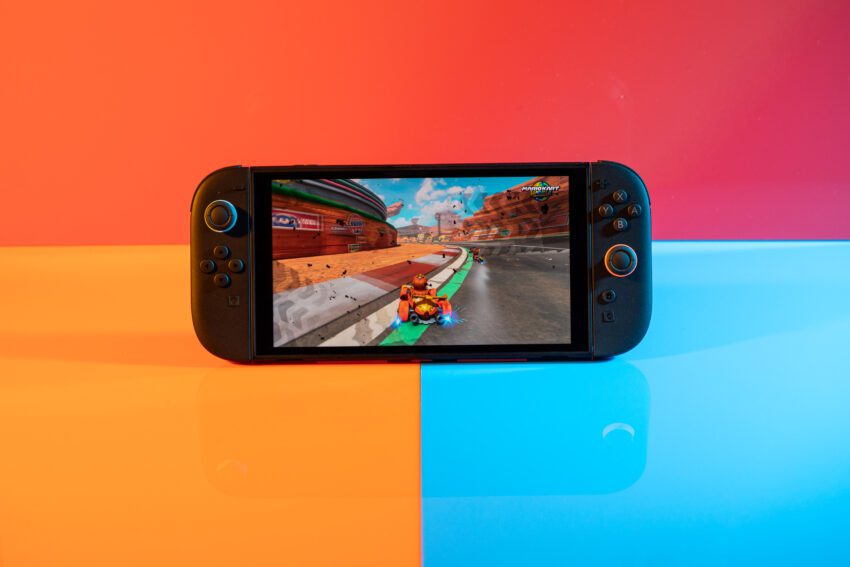
Nintendo is preparing a new version of the Switch 2 for the European Union that will let users more easily replace its battery, a change tied to an incoming EU repair rule set to take effect on February 18th, 2027. On its website, Nintendo says it is “implementing measures to comply with these requirements by preparing versions of products to meet the Regulation,” signaling that the company is already planning hardware revisions for the region.
EU rules are driving a shift toward replaceable batteries
The move comes as the European Union pushes consumer electronics makers toward designs that make batteries easier to remove and replace. As noted in recent reporting on the broader policy shift, the regulation is helping bring user-replaceable batteries back into more device categories. Beginning on February 18th, 2027, the EU will require many products, including portable game consoles, to allow users to relatively easily take out and swap their batteries.
For Nintendo, that means the Switch 2 cannot remain exactly as it is now in the EU market once those rules apply. Today’s Switch 2 battery removal process is not designed for casual users. According to iFixit’s teardown work referenced in the report, replacing the battery is an involved, multi-step procedure. Nintendo has not said what specific design changes it will make to simplify that process in the new compliant version.
What Nintendo has confirmed so far
Nintendo’s public statement is careful and limited. The company has confirmed that it is preparing versions of products that will meet the new EU regulation, but it has not described the engineering changes behind the battery redesign. That leaves open several practical questions:
- Whether the revised Switch 2 will use a different internal battery design.
- Whether the chassis or adhesive structure will be altered to make removal easier.
- Whether the new compliant model will be sold outside the EU.
- How Nintendo will handle accessories or controllers that use related product branding.
Nintendo also did not immediately respond to a request for comment, so the company’s plans remain incomplete from a public-information standpoint. At the moment, the only confirmed detail is that the EU version will be “future compliant” with the battery regulation.
New model numbers and packaging details
On its website, Nintendo says that “For current products with model numbers starting with ‘BEE’” — the identifier used with the Switch 2 in Nintendo’s filings with the FCC — “future compliant versions will have unique model numbers and the additional code ‘OSM’ visible on the packaging, designating them as separate products for regulatory purposes.”
That wording matters because it suggests Nintendo may treat the updated hardware as a distinct regulatory SKU rather than a minor invisible revision. In other words, the company appears to be planning a clearly labeled new product variant, not simply a silent internal parts change. The separate model numbers and “OSM” code are intended to show compliance and distinguish the revised units from the current versions already on the market.
The “BEE” model naming is also notable because it has been associated with the Switch 2 itself in FCC paperwork. That means Nintendo’s compliance messaging is referring directly to the hardware family that includes the console and, potentially, related accessories.
What remains unclear about the Switch 2 redesign
Nintendo has not yet explained how much of the Switch 2 hardware will change to satisfy the EU’s battery rule. The current teardown process, as described in the source material, is relatively difficult, but the exact fix could range from a simpler access panel to a major internal redesign. Since Nintendo has not detailed the update, it is impossible to say whether users will be able to replace the battery with ordinary tools or whether the process will merely become less cumbersome than it is now.
It is also not clear whether the revised model will be limited to Europe. Companies often produce region-specific versions of devices to satisfy local laws, but they can also decide to roll compliant designs out more broadly for manufacturing efficiency. The report notes that this possibility is unresolved, and Nintendo has not confirmed any non-EU availability.
Could Switch 2 accessories change too?
The Switch 2 is not the only Nintendo hardware mentioned in the context of model naming. The source material notes that Switch 2 controllers such as the Pro Controller and the Joy-Cons also carry the “BEE” moniker. That has prompted a follow-up question about whether those accessories will also have user-replaceable batteries under the new EU standards.
For now, Nintendo has not said whether the battery rules will affect those controllers. The question is important because removable batteries in accessories could affect long-term repairability across the Switch 2 ecosystem, not just the console itself. However, there is no confirmation yet that the controller lineup will receive the same treatment as the handheld console.
Why this matters for device repairability
The Switch 2 case is part of a broader policy-driven trend in consumer electronics. The EU regulation does not apply only to game consoles; it covers a range of gadgets and reflects a shift toward longer-lasting devices that users can maintain more easily. For consumers, that can mean lower repair costs, less waste, and a better chance of keeping a device in service after its battery wears out.
For manufacturers, though, the rule requires design changes that can affect product engineering, manufacturing, and packaging. A battery that is easier to replace can mean a bulkier device, different adhesives, different enclosures, or modified internal layouts. Nintendo’s decision to use separate model numbers and a packaging code suggests the company is preparing for those regulatory and logistical complications in a formal way.
It also underscores how product design is increasingly being shaped by legislation, not just by industrial design preferences or user experience goals. In the case of the Switch 2, the EU’s battery regulation appears to be forcing Nintendo to rethink a core maintenance issue in one of its major products.
What to watch next
There are several key details that still need answers as the 2027 deadline approaches. The most important is the exact mechanism Nintendo will use to make battery replacement easier. Another is whether the redesign is exclusive to the EU or will appear in other markets as well. A third is whether accessories in the Switch 2 family will be included in the same compliance effort.
For now, Nintendo has confirmed enough to show that the Switch 2 is headed for a European hardware refresh, but not enough to tell consumers how the new model will actually work. The company’s website points to a planned compliance program, while the current device’s battery design remains the status quo. That leaves the Switch 2 as one of the more visible examples of how EU repair rules are beginning to reshape consumer hardware before the law even takes effect.
Source: Original report
Was this helpful?
Explore more: More Gaming Tech News Blog
Last Modified: July 7, 2026 at 9:21 pm
11 views