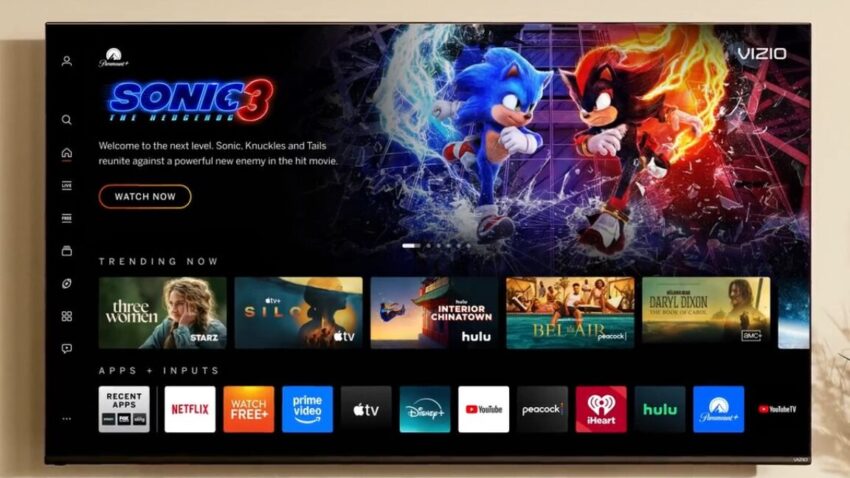
newly purchased vizio tvs now require walmart Newly purchased Vizio TVs now require a Walmart account to utilize their smart features, a significant shift following Walmart’s acquisition of Vizio in December 2024.
newly purchased vizio tvs now require walmart
Background on Vizio and Walmart’s Acquisition
Vizio, a prominent player in the television market, has long been known for its affordable smart TVs that cater to a wide range of consumers. The company has built its reputation on providing high-quality displays at competitive prices, making it a popular choice for budget-conscious buyers. However, the landscape of smart TVs is rapidly evolving, particularly with the growing emphasis on data collection and targeted advertising.
In December 2024, Walmart announced its acquisition of Vizio, a move that raised eyebrows within the tech community. Walmart, primarily known for its retail operations, has been expanding its digital footprint and exploring new avenues for revenue generation. The acquisition of Vizio aligns with Walmart’s strategy to enhance its advertising capabilities and leverage consumer data more effectively. By integrating Vizio’s smart TV technology with its retail ecosystem, Walmart aims to create a more personalized shopping experience for its customers.
New Requirements for Vizio TV Owners
As part of this new direction, Walmart has implemented a requirement for newly purchased Vizio TVs to be linked to a Walmart account. This change was announced recently and has already sparked discussions among prospective buyers. According to a spokesperson from Walmart, this requirement applies to “select new Vizio OS TVs,” meaning that not all models may be affected immediately. However, it is likely that this trend will expand as Walmart continues to integrate its services with Vizio’s offerings.
Implications for Consumers
The requirement for a Walmart account to access smart features on Vizio TVs raises several implications for consumers. First and foremost, it introduces an additional layer of complexity in the setup process. Buyers who may be accustomed to straightforward installations may find themselves needing to create an account, which could be a deterrent for some. This requirement could also lead to frustration among users who are not familiar with Walmart’s digital ecosystem.
Moreover, the necessity of a Walmart account may limit the functionality of the TV for those who choose not to create one. Smart TVs are designed to offer a range of features, including streaming services, app access, and personalized recommendations. Without a Walmart account, users may find themselves unable to fully utilize these capabilities, leading to a subpar experience.
Walmart’s Strategy and Advertising Focus
Walmart’s decision to require accounts for Vizio TV users is closely tied to its advertising strategy. The retail giant has been investing heavily in digital advertising, seeking to capitalize on the vast amounts of data generated by its customers. By linking Vizio TVs to Walmart accounts, the company can gather valuable insights into viewing habits and preferences, which can then be used to tailor advertisements more effectively.
This move is indicative of a broader trend within the tech industry, where companies are increasingly focused on monetizing user data. Smart TVs, which have become central to home entertainment, are now seen as valuable platforms for advertisers. By requiring users to create accounts, Walmart can enhance its ability to serve targeted ads, thereby increasing revenue potential.
Consumer Reactions and Concerns
The announcement has prompted a range of reactions from consumers and industry analysts alike. Many prospective buyers are expressing concerns about privacy and data security. The requirement to create a Walmart account raises questions about how user data will be collected, stored, and utilized. Consumers are becoming increasingly aware of the implications of data sharing, and the idea of linking their viewing habits to a retail account may not sit well with everyone.
Additionally, some consumers are voicing frustration over the perceived loss of autonomy. Smart TVs have traditionally allowed users to customize their experience, but the new requirement could be seen as a step toward greater control by Walmart over how consumers interact with their devices. This shift may lead to a backlash among users who prefer a more open ecosystem.
Potential Alternatives for Consumers
For those who are hesitant about the requirement to create a Walmart account, there may be alternative options available. While the specifics of which models will require an account are still being clarified, consumers can consider purchasing older models that do not have this requirement. Additionally, exploring other brands that offer smart TVs without such restrictions may be a viable option for those who prioritize privacy and ease of use.
Furthermore, consumers can also look into the possibility of using third-party streaming devices that can bypass the need for a Walmart account. Devices such as Roku, Amazon Fire TV, or Apple TV can provide access to streaming services without the need for a specific brand account, allowing users to maintain a degree of independence from Walmart’s ecosystem.
Future of Smart TVs and Data Privacy
The requirement for a Walmart account on Vizio TVs is part of a larger conversation about the future of smart TVs and data privacy. As technology continues to evolve, consumers are becoming more aware of the trade-offs between convenience and privacy. The integration of advertising into the smart TV experience is likely to become more prevalent, raising questions about how companies will balance their business interests with consumer rights.
Industry experts suggest that as the demand for personalized content and targeted advertising grows, companies will need to be transparent about their data practices. Consumers are increasingly seeking assurances that their information will be handled responsibly and that they will have control over how it is used. This shift in consumer expectations may prompt companies to adopt more privacy-friendly practices, creating a more balanced relationship between users and technology providers.
Conclusion
The requirement for a Walmart account to access smart features on newly purchased Vizio TVs marks a significant change in the landscape of smart television technology. As Walmart seeks to leverage its acquisition of Vizio to enhance its advertising capabilities, consumers are left navigating a new set of requirements that may impact their viewing experience. While the implications of this change are still unfolding, it is clear that the intersection of technology, advertising, and consumer privacy will continue to be a critical area of focus in the coming years.
Source: Original report
Was this helpful?
Explore more: More Big Tech & Platforms Tech News Blog
Last Modified: March 25, 2026 at 3:36 am
53 views