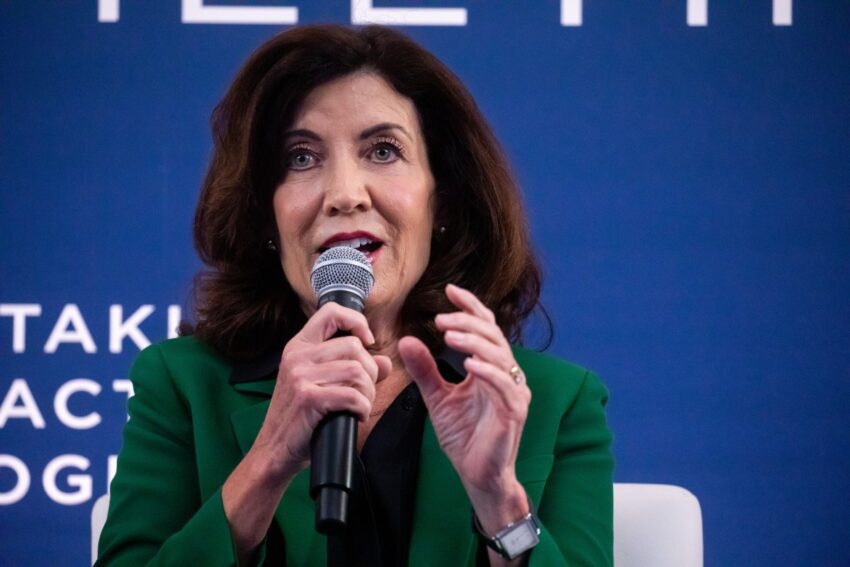
new york governor kathy hochul signs raise New York Governor Kathy Hochul has signed the RAISE Act, marking a significant step towards regulating artificial intelligence safety in the state.
new york governor kathy hochul signs raise
Overview of the RAISE Act
The RAISE Act, which stands for “Regulating Artificial Intelligence Safety and Ethics,” aims to establish a framework for the safe development and deployment of artificial intelligence technologies. This legislation comes in response to growing concerns about the potential risks associated with AI, including ethical implications, data privacy, and the safety of AI systems in various applications.
Key Provisions of the RAISE Act
One of the central features of the RAISE Act is the requirement for large AI developers to disclose detailed information regarding their safety protocols. This transparency is intended to ensure that AI systems are developed with safety as a priority, allowing stakeholders to understand the measures in place to mitigate risks. Additionally, the act mandates that developers report any safety incidents to the state within 72 hours. This rapid reporting requirement aims to facilitate timely responses to potential hazards and enhance accountability among AI developers.
Scope of the Legislation
The RAISE Act applies to large AI developers, which are defined as companies that meet specific criteria related to revenue and the scale of their AI operations. This targeted approach is designed to focus regulatory efforts on the entities that pose the most significant risks due to their size and influence in the AI landscape. By concentrating on larger organizations, the legislation seeks to create a more manageable regulatory environment while still addressing the pressing safety concerns associated with AI technologies.
Background and Context
The introduction of the RAISE Act comes at a time when AI technologies are becoming increasingly prevalent across various sectors, including healthcare, finance, transportation, and entertainment. As these technologies evolve, so do the potential risks and ethical dilemmas they present. High-profile incidents involving AI, such as biased algorithms and data breaches, have highlighted the urgent need for regulatory oversight.
In recent years, there has been a growing public discourse around the implications of AI on society. Concerns about job displacement, privacy violations, and the potential for AI to perpetuate existing biases have prompted calls for more stringent regulations. The RAISE Act represents a proactive approach by the New York state government to address these issues head-on.
Stakeholder Reactions
The signing of the RAISE Act has elicited a range of reactions from various stakeholders, including tech companies, advocacy groups, and policymakers. Many proponents of the legislation argue that it is a necessary step towards ensuring the responsible development of AI technologies. They believe that transparency and accountability will foster public trust in AI systems, ultimately benefiting both consumers and developers.
On the other hand, some critics express concerns that the regulations could stifle innovation within the AI sector. They argue that overly burdensome reporting requirements may hinder smaller companies and startups, which may not have the resources to comply with extensive regulatory frameworks. These critics advocate for a more balanced approach that encourages innovation while still prioritizing safety and ethical considerations.
Implications for AI Development
The RAISE Act is expected to have significant implications for the future of AI development in New York and potentially beyond. By establishing a regulatory framework, the legislation may serve as a model for other states and countries looking to implement similar measures. The focus on safety and transparency could lead to the development of best practices within the industry, promoting a culture of responsibility among AI developers.
Potential Challenges
While the RAISE Act aims to enhance safety and accountability, its implementation may face several challenges. One of the primary concerns is the definition of “safety incidents.” As AI technologies continue to evolve, determining what constitutes a safety incident may become increasingly complex. Developers may need to navigate ambiguous guidelines, leading to potential inconsistencies in reporting and compliance.
Moreover, the act’s requirement for large AI developers to disclose their safety protocols raises questions about proprietary information. Companies may be reluctant to share sensitive details about their technologies, fearing that such disclosures could undermine their competitive advantage. Striking a balance between transparency and protecting intellectual property will be crucial for the successful implementation of the RAISE Act.
Future Directions
The passage of the RAISE Act signals a growing recognition of the need for regulatory oversight in the rapidly evolving field of artificial intelligence. As AI technologies continue to advance, it is likely that additional regulations will emerge to address new challenges and risks. Policymakers will need to remain vigilant and adaptable, ensuring that regulations keep pace with technological advancements.
Collaboration Between Stakeholders
To effectively implement the RAISE Act and address the complexities of AI safety, collaboration between various stakeholders will be essential. This includes cooperation between government agencies, industry leaders, academic institutions, and advocacy groups. By fostering dialogue and sharing insights, stakeholders can work together to develop comprehensive guidelines that prioritize safety while promoting innovation.
International Considerations
The RAISE Act may also have international implications, as countries around the world grapple with similar challenges related to AI regulation. As New York takes the lead in establishing a regulatory framework, other jurisdictions may look to its approach as a benchmark. This could lead to a more cohesive global effort to ensure the safe and ethical development of AI technologies.
Conclusion
The signing of the RAISE Act by Governor Kathy Hochul represents a pivotal moment in the regulation of artificial intelligence in New York. By requiring large AI developers to disclose safety protocols and report incidents, the legislation aims to enhance accountability and transparency in the industry. While challenges remain in the implementation of these regulations, the act sets a precedent for future efforts to ensure the responsible development of AI technologies. As the landscape of AI continues to evolve, the RAISE Act may serve as a foundational step towards a safer and more ethical future for artificial intelligence.
Source: Original report
Was this helpful?
Explore more: AI Automation Services More AI & Automation Tech News
Last Modified: December 21, 2025 at 1:46 am
25 views