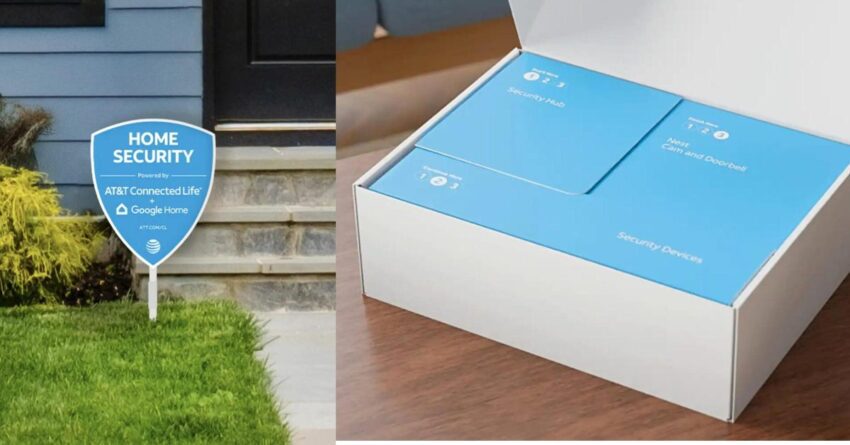
new at and t connected life security AT&T has announced a new security system called Connected Life, which integrates Google Home and Nest hardware to enhance home security and automation.
new at and t connected life security
Overview of AT&T Connected Life
AT&T’s Connected Life security system represents a significant step in the convergence of telecommunications and smart home technology. This initiative aims to provide users with a comprehensive security solution that leverages existing Google Home and Nest devices. By utilizing these popular platforms, AT&T seeks to offer a seamless experience for customers looking to enhance their home security while integrating it with their smart home ecosystems.
Partnership with Google
The collaboration between AT&T and Google is not entirely new; it builds upon existing partnerships that both companies have established in the smart home and security domains. Google’s investment in ADT, a well-known security company, has paved the way for innovative solutions that combine advanced technology with user-friendly interfaces. The integration of Google Home and Nest hardware into AT&T’s Connected Life system is a natural progression in this partnership, allowing users to control their security systems through voice commands and mobile applications.
Features of the Connected Life System
The Connected Life system is designed to offer a range of features that cater to the diverse needs of modern households. Key functionalities include:
- Real-Time Monitoring: Users can monitor their homes in real-time through live video feeds from Nest cameras, ensuring they are always aware of what is happening in and around their property.
- Smart Alerts: The system provides smart alerts for unusual activities, such as motion detection or door openings, allowing users to respond promptly to potential security threats.
- Voice Control: Integration with Google Home allows users to control their security systems using voice commands, making it easier to manage security settings without needing to navigate through apps.
- Automation: The system can automate various tasks, such as locking doors or adjusting security settings based on user preferences or routines.
- Remote Access: Users can access their security systems remotely via mobile applications, providing peace of mind when they are away from home.
Implications for Home Security
The introduction of the Connected Life system has several implications for the home security market. As more consumers adopt smart home technologies, the demand for integrated security solutions is likely to increase. This trend reflects a broader shift towards automation and connectivity in everyday life.
Market Trends
According to recent market research, the smart home security market is expected to grow significantly in the coming years. Factors driving this growth include:
- Increased Awareness: Consumers are becoming more aware of the importance of home security, particularly in light of rising crime rates in some areas.
- Technological Advancements: Innovations in technology, such as artificial intelligence and machine learning, are enhancing the capabilities of security systems, making them more effective and user-friendly.
- Consumer Demand: There is a growing demand for products that offer convenience, control, and peace of mind, which is driving companies to develop more sophisticated solutions.
Competitive Landscape
AT&T’s Connected Life system enters a competitive landscape populated by established players such as ADT, Ring, and Vivint. Each of these companies offers unique features and services, making it essential for AT&T to differentiate its offering. The integration with Google Home and Nest provides AT&T with a competitive edge, as it taps into an existing user base familiar with Google’s ecosystem.
Stakeholder Reactions
The announcement of the Connected Life system has elicited varied reactions from stakeholders, including consumers, industry analysts, and competitors.
Consumer Feedback
Early consumer feedback has been largely positive, with many expressing enthusiasm about the potential for a more integrated and user-friendly security solution. The ability to control security systems through voice commands and mobile applications resonates well with tech-savvy consumers who prioritize convenience. However, some users have raised concerns about privacy and data security, particularly regarding the collection and storage of video feeds and personal information.
Industry Analysts’ Perspectives
Industry analysts have noted that AT&T’s move into the smart home security space reflects a broader trend among telecommunications companies to diversify their service offerings. By entering this market, AT&T aims to not only retain existing customers but also attract new ones who are looking for comprehensive solutions that combine connectivity and security. Analysts believe that the success of the Connected Life system will depend on AT&T’s ability to effectively market the product and address consumer concerns regarding privacy and data security.
Competitive Responses
Competitors in the home security market are likely to respond to AT&T’s Connected Life system by enhancing their own offerings. Companies such as ADT and Ring may introduce new features or promotions to retain their customer base. Additionally, the integration of smart home technology into security systems may prompt other players to explore partnerships with tech companies to remain competitive.
Future Prospects
Looking ahead, the future of AT&T’s Connected Life system appears promising, provided the company can navigate the challenges associated with privacy and competition. As smart home technology continues to evolve, AT&T has the opportunity to expand its offerings and enhance the functionality of its security system.
Potential Enhancements
Future enhancements to the Connected Life system may include:
- AI Integration: Incorporating artificial intelligence could improve the system’s ability to distinguish between normal and suspicious activities, reducing false alarms.
- Expanded Device Compatibility: Increasing compatibility with a wider range of smart home devices could enhance the system’s appeal to consumers who already own various smart home products.
- Enhanced Privacy Features: Addressing privacy concerns through transparent data practices and robust security measures will be crucial for gaining consumer trust.
Broader Implications for Smart Home Technology
The launch of the Connected Life system also has broader implications for the smart home technology landscape. As more companies enter this space, consumers can expect increased innovation and competition, leading to better products and services. Additionally, the integration of security systems with other smart home functionalities may pave the way for more comprehensive home automation solutions.
Conclusion
AT&T’s Connected Life security system represents a significant advancement in the intersection of telecommunications and smart home technology. By leveraging Google Home and Nest hardware, AT&T aims to provide consumers with a comprehensive and user-friendly security solution. As the market for smart home security continues to grow, the success of this initiative will depend on AT&T’s ability to address consumer concerns, differentiate its offerings, and adapt to the evolving landscape of home automation.
Source: Original report
Was this helpful?
Explore more: More General Technology Tech News Blog
Last Modified: December 11, 2025 at 10:52 pm
15 views