netflix trying to poison regulators about wbd Paramount Skydance has accused Netflix of waging a campaign to undermine its proposed acquisition of Warner Bros. Discovery (WBD), raising significant concerns about competitive practices in the media landscape.
netflix trying to poison regulators about wbd
Background of the Merger
The proposed merger between Paramount Skydance and Warner Bros. Discovery represents a significant consolidation in the media and entertainment industry. As streaming services continue to reshape how content is produced and consumed, such mergers are becoming increasingly common. The combination of these two companies is expected to create a formidable competitor in the streaming space, potentially altering the dynamics of the industry.
Paramount Skydance, a subsidiary of Paramount Global, has been actively pursuing this acquisition to enhance its content library and expand its reach in the competitive streaming market. Warner Bros. Discovery, formed from the merger of WarnerMedia and Discovery, Inc., has been a key player in the industry, boasting a diverse array of content across various genres and platforms. The merger aims to leverage the strengths of both companies to create a more robust offering for consumers.
Accusations Against Netflix
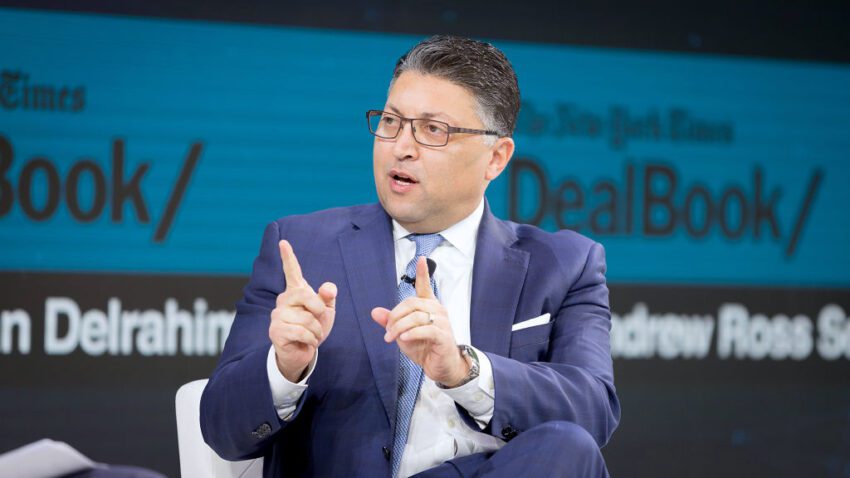
In a letter dated June 5, 2026, Paramount’s chief legal officer, Makan Delrahim, formally accused Netflix of attempting to “poison regulators” against the merger. This letter was addressed to Jared A. Hughes, acting section chief of the Media, Entertainment, and Communications Section of the U.S. Department of Justice’s (DOJ) Antitrust Division, and A. Maya Kahn, a trial attorney for the Antitrust Division. The accusations were first reported by Politico, highlighting the contentious nature of the merger process.
Delrahim’s letter stated, “Indeed, Netflix’s panic-level response and scorched-earth campaign to try and poison regulators and other stakeholders against the Transaction shows just how seriously Netflix takes Paramount as a scaled competitor.” This statement underscores the competitive tensions between the two companies, suggesting that Netflix views Paramount’s potential growth as a direct threat to its market position.
Context of the Accusations
The accusations come in the wake of a letter sent by The International Brotherhood of Teamsters to the DOJ in March 2026. The union, representing 1.3 million members, expressed concerns that the merger could jeopardize jobs in the film and television industry. The Teamsters urged the DOJ to block the merger unless “substantial and enforceable safeguards are put in place to increase domestic production and protect jobs.” This letter reflects broader anxieties within the industry regarding the impact of consolidation on employment and production practices.
Delrahim’s response to the Teamsters’ letter indicates that Paramount is keenly aware of the regulatory scrutiny surrounding the merger. By accusing Netflix of attempting to sway regulators, Paramount is attempting to shift the narrative and frame the merger as a necessary step for competition rather than a threat to the industry.
Implications of the Accusations
The allegations made by Paramount against Netflix have significant implications for both companies and the broader media landscape. If Netflix is indeed engaging in tactics to undermine the merger, it raises questions about the lengths to which companies will go to protect their market share. Such behavior could lead to increased regulatory scrutiny not only for Netflix but also for other major players in the industry.
Moreover, the accusations highlight the intense competition in the streaming market, where companies are vying for dominance. As streaming services proliferate, the stakes are higher than ever, and companies may resort to aggressive tactics to maintain their positions. This could set a precedent for future mergers and acquisitions in the industry, as companies may feel emboldened to challenge their competitors in more overt ways.
Stakeholder Reactions
The reactions to the accusations have been varied. Stakeholders within the media industry are closely monitoring the situation, as the outcome of the merger could have far-reaching effects on content production and distribution. Industry analysts are weighing in on the potential consequences of the merger, with some arguing that it could lead to a more competitive landscape, while others express concerns about job security and the potential for reduced diversity in content.
Labor unions, such as the Teamsters, have been vocal in their opposition to the merger, emphasizing the need for protections for workers in the industry. Their stance reflects a growing awareness of the impact of corporate consolidation on employment and working conditions. As the merger process unfolds, it is likely that unions and other advocacy groups will continue to push for safeguards to protect jobs and ensure fair labor practices.
Regulatory Landscape
The regulatory landscape surrounding mergers and acquisitions in the media industry is complex and evolving. The DOJ’s Antitrust Division plays a crucial role in assessing the competitive implications of proposed mergers. In recent years, there has been increased scrutiny of corporate consolidation, particularly in industries that significantly impact consumers and workers.
The DOJ’s evaluation of the Paramount-WBD merger will likely consider various factors, including market share, potential harm to competition, and the impact on consumers and workers. The accusations made by Paramount against Netflix may influence the DOJ’s assessment, as regulators will need to weigh the concerns raised by both parties.
Potential Outcomes
The outcome of the merger review process remains uncertain. If the DOJ determines that the merger poses a significant threat to competition, it could block the deal or impose conditions to mitigate potential harms. On the other hand, if the merger is approved, it could pave the way for further consolidation in the industry, as other companies may seek to follow suit.
Regardless of the outcome, the situation underscores the need for ongoing dialogue between industry stakeholders, regulators, and labor organizations. As the media landscape continues to evolve, it is essential to strike a balance between fostering competition and protecting the interests of workers and consumers.
Conclusion
The accusations made by Paramount Skydance against Netflix highlight the intense competition and regulatory challenges facing the media industry today. As companies navigate the complexities of mergers and acquisitions, the stakes are high, and the actions of major players like Netflix can have far-reaching implications. The outcome of the Paramount-WBD merger review will not only shape the future of these companies but also set a precedent for the industry as a whole.
As the situation develops, stakeholders will be watching closely to see how regulators respond to the accusations and what measures, if any, will be implemented to protect jobs and ensure fair competition in the rapidly changing media landscape.
Source: Original report
Was this helpful?
Explore more: More Big Tech & Platforms Tech News Blog
Last Modified: June 10, 2026 at 2:35 am
15 views