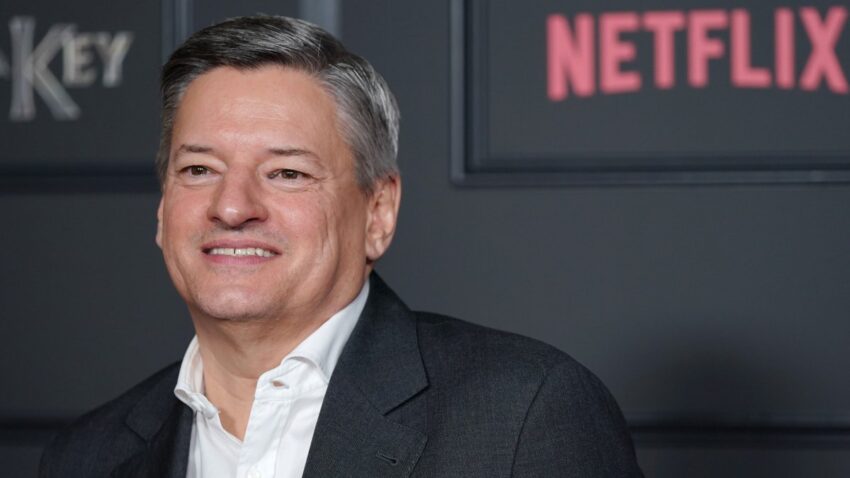
netflix co-ceo reportedly discussed warner bros deal Netflix’s ambitious $82.7 billion bid for Warner Bros. has sparked discussions about regulatory approval and potential political implications, particularly following reports of a meeting between Netflix co-CEO Ted Sarandos and former President Donald Trump.
netflix co-ceo reportedly discussed warner bros deal
Background on the Acquisition
In a significant move that could reshape the entertainment landscape, Netflix has proposed a staggering $82.7 billion deal to acquire Warner Bros. This acquisition is part of Netflix’s broader strategy to expand its content library and strengthen its position in an increasingly competitive streaming market. Warner Bros., known for its extensive portfolio of films and television shows, would provide Netflix with a wealth of intellectual property and established franchises.
The deal comes at a time when the streaming industry is experiencing rapid growth, with platforms vying for subscribers and content. Netflix, which has long been a leader in the streaming space, is looking to bolster its offerings amid growing competition from other services like Disney+, Amazon Prime Video, and HBO Max. The acquisition of Warner Bros. could potentially allow Netflix to leverage popular franchises such as Harry Potter, DC Comics, and various animated series, thus enhancing its appeal to a broader audience.
Regulatory Scrutiny
However, the proposed acquisition is not without its challenges. Federal regulators are expected to scrutinize the deal closely, assessing its potential impact on competition within the entertainment industry. Antitrust concerns are likely to be a significant focus, as regulators aim to ensure that the merger does not create an unfair advantage for Netflix in the streaming market.
Historically, mergers and acquisitions in the media sector have faced intense regulatory scrutiny. The Federal Trade Commission (FTC) and the Department of Justice (DOJ) have been increasingly vigilant in reviewing large mergers, particularly in industries where market concentration could lead to reduced competition and higher prices for consumers. The Netflix-Warner Bros. deal is poised to attract similar attention, with regulators likely to evaluate how the acquisition could affect market dynamics.
Potential Implications for Competition
If approved, the merger could significantly alter the competitive landscape of the streaming industry. Netflix would gain access to a vast library of content, which could enhance its ability to attract and retain subscribers. Furthermore, the acquisition could lead to the consolidation of content production and distribution, potentially limiting the variety of programming available to consumers.
Industry analysts have expressed mixed opinions on the potential outcomes of the merger. Some believe that the acquisition could lead to a more robust Netflix platform, while others warn that it may stifle competition and innovation in the streaming space. The outcome of the regulatory review will be crucial in determining whether Netflix can proceed with the acquisition as planned.
Political Connections and Stakeholder Reactions
Adding another layer of complexity to the situation, reports have emerged indicating that Ted Sarandos met with Donald Trump to discuss the Warner Bros. deal. This meeting has raised eyebrows, particularly given Trump’s previous administration’s influence on media and entertainment policies. Sarandos’s engagement with Trump suggests that Netflix may be seeking to navigate the political landscape to garner support for the acquisition.
While the specifics of their discussion remain unclear, the meeting underscores the intersection of politics and business in the entertainment industry. Stakeholders are likely to scrutinize any potential political motivations behind the acquisition, particularly in light of the current regulatory environment. The involvement of high-profile political figures could complicate the approval process, as regulators may consider the broader implications of such connections.
Reactions from Industry Experts
Industry experts have weighed in on the potential ramifications of the Netflix-Warner Bros. deal. Some analysts argue that the merger could lead to a more competitive streaming market by allowing Netflix to offer a more diverse array of content. Others caution that the consolidation of such significant media assets could ultimately harm consumers by reducing competition and limiting choices.
Moreover, the potential for job losses and restructuring within Warner Bros. has also been a point of concern. Mergers often lead to layoffs as companies seek to streamline operations and eliminate redundancies. As Netflix moves forward with its plans, the impact on Warner Bros. employees and the broader entertainment workforce will be closely monitored.
Future Prospects for Netflix
As Netflix navigates the complexities of the acquisition process, the company’s future prospects remain a topic of interest. The streaming giant has already made significant investments in original content, and the addition of Warner Bros. could further enhance its offerings. However, the success of the acquisition will depend on regulatory approval and the company’s ability to integrate Warner Bros. into its existing operations.
In recent years, Netflix has faced challenges in maintaining subscriber growth, particularly as competition intensifies. The acquisition of Warner Bros. could serve as a strategic move to reinvigorate its subscriber base and attract new viewers. However, the company must also be mindful of the potential backlash from consumers and regulators regarding market concentration.
Long-term Implications for the Streaming Industry
The outcome of the Netflix-Warner Bros. deal could have far-reaching implications for the streaming industry as a whole. If approved, the merger could set a precedent for future acquisitions and mergers within the entertainment sector. Other streaming platforms may be encouraged to pursue similar strategies to enhance their content offerings and compete more effectively in the market.
Conversely, if regulators reject the deal, it could signal a more cautious approach to mergers in the media industry, prompting companies to reconsider their growth strategies. The regulatory landscape surrounding mergers and acquisitions is continually evolving, and the Netflix-Warner Bros. deal will likely be a pivotal case in shaping future policies.
Conclusion
The proposed acquisition of Warner Bros. by Netflix represents a significant development in the entertainment industry, with potential implications for competition, content diversity, and regulatory scrutiny. As the deal progresses, stakeholders from various sectors will be closely monitoring the situation, particularly in light of the political connections that have emerged. The outcome of this acquisition could not only reshape Netflix’s future but also influence the broader dynamics of the streaming market.
Source: Original report
Was this helpful?
Explore more: More Business & Startups Tech News Blog
Last Modified: December 8, 2025 at 4:41 am
16 views