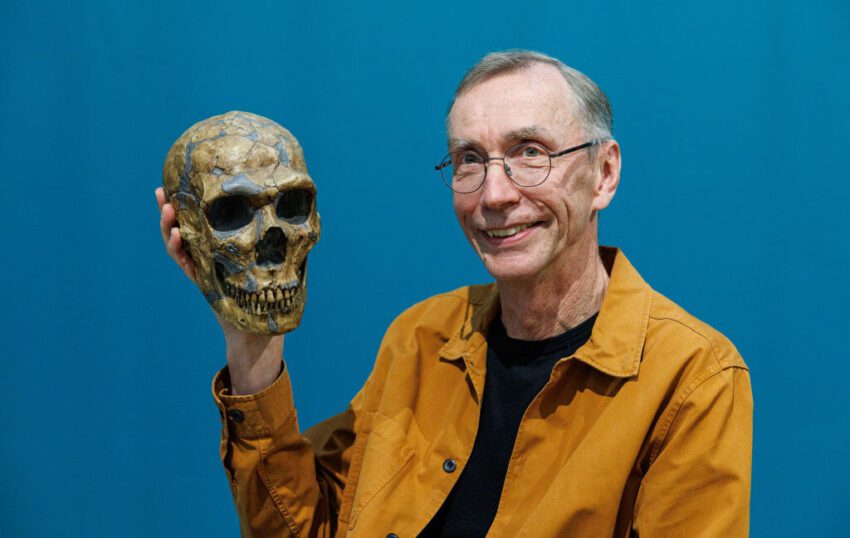
neanderthals seemed to have a thing for Recent research reveals intriguing insights into the mating patterns between Neanderthals and modern humans, suggesting a notable preference among Neanderthal males for modern human females.
neanderthals seemed to have a thing for
Background on Neanderthal and Modern Human Interactions
For decades, the relationship between Neanderthals and modern humans has been a subject of intense study and debate among anthropologists and geneticists. As modern humans migrated out of Africa, they encountered Neanderthals, who had been living in Europe and parts of Asia for thousands of years. This interaction led to interbreeding, resulting in a significant portion of Neanderthal DNA being integrated into the genomes of contemporary non-African populations. It is estimated that individuals of European and Asian descent carry about 1% to 2% of Neanderthal DNA in their genomes, a testament to the complex history shared between these two hominin species.
While the presence of Neanderthal DNA in modern humans is well-documented, the reverse—modern human DNA found in Neanderthal genomes—has received less attention. This aspect raises questions about the dynamics of their interactions, particularly regarding mating preferences and genetic exchange.
Understanding Neanderthal DNA in Modern Humans
Not all modern humans possess the same fragments of Neanderthal DNA. Genetic inheritance is a random process, and as such, different individuals have inherited varying segments of this ancient DNA. However, researchers have identified specific regions within the human genome that are notably devoid of Neanderthal genetic material, referred to as “Neanderthal deserts.” These areas are particularly interesting because they may provide insights into the evolutionary pressures and mating behaviors that influenced genetic exchange between the two species.
Neanderthal Deserts
The most significant of these Neanderthal deserts is found on the X chromosome. This absence of Neanderthal DNA raises critical questions about the evolutionary fitness of genes located there. One hypothesis suggests that the lack of Neanderthal genetic material on the X chromosome could indicate a preference among Neanderthal males for mating with modern human females, thus favoring the transmission of modern human genes over Neanderthal ones.
Moreover, the X chromosome is unique in that males possess only one copy, while females have two. This difference in inheritance patterns could have implications for the survival and propagation of certain genetic traits. If Neanderthal males were preferentially mating with modern human females, it could explain the scarcity of Neanderthal DNA on the X chromosome, as any offspring would inherit the X chromosome from their mothers, who were modern humans.
New Research Findings
In a recent study conducted by researchers at the University of Pennsylvania—Alexander Platt, Daniel N. Harris, and Sarah Tishkoff—the focus shifted to analyzing the X chromosomes of the few completed Neanderthal genomes available. Their findings revealed a compelling trend: there is a significant bias toward modern human DNA sequences within the X chromosomes of Neanderthals. This observation supports the notion of selective mating, suggesting that Neanderthal males exhibited a strong preference for modern human females.
Methodology of the Study
The researchers employed advanced genomic analysis techniques to compare the X chromosomes of Neanderthals with those of modern humans. By examining the genetic sequences, they were able to identify patterns of inheritance and ascertain the extent of modern human DNA present in Neanderthal genomes. This comparative analysis was crucial in determining the directionality of genetic exchange between the two species.
The study’s methodology involved the use of high-quality genomic data from both Neanderthals and modern humans. By focusing specifically on the X chromosome, the researchers aimed to uncover any biases in genetic exchange that could shed light on mating preferences. Their findings were significant, as they not only highlighted the presence of modern human DNA in Neanderthal genomes but also suggested that this exchange was not random but rather influenced by selective mating behaviors.
Implications of the Findings
The implications of this research extend beyond mere genetic curiosity. Understanding the mating patterns between Neanderthals and modern humans can provide valuable insights into the social structures and behaviors of these ancient populations. If Neanderthal males indeed preferred modern human females, it could indicate a range of social dynamics, including the potential for cultural exchange and cooperation between the two groups.
Furthermore, these findings challenge previous assumptions about the nature of Neanderthal and modern human interactions. Traditionally, Neanderthals have been portrayed as brutish and less sophisticated than their modern counterparts. However, the evidence of selective mating suggests a more complex social landscape, where Neanderthals were capable of forming relationships with modern humans, potentially leading to the sharing of knowledge, tools, and cultural practices.
Stakeholder Reactions
The research has garnered attention from various stakeholders in the scientific community. Geneticists and anthropologists have expressed excitement over the findings, as they provide a clearer picture of the interactions between Neanderthals and modern humans. Some researchers have noted that this study could pave the way for further investigations into the social behaviors of ancient hominins, urging for more interdisciplinary approaches that combine genetics, archaeology, and anthropology.
Additionally, the findings have implications for our understanding of human evolution. By examining the genetic legacy left by Neanderthals, scientists can gain insights into the adaptive traits that may have been favored in early human populations. This research could lead to a better understanding of how modern humans have evolved over time and the factors that have shaped our genetic diversity.
Future Directions in Research
As the field of ancient genomics continues to evolve, researchers are poised to explore further the complexities of human evolution. The findings from the University of Pennsylvania study open up new avenues for research, particularly in understanding the genetic contributions of Neanderthals to modern human traits. Future studies may focus on specific genes inherited from Neanderthals that could influence health, behavior, and adaptation to various environments.
Moreover, as more Neanderthal genomes are sequenced and analyzed, researchers will have a richer dataset to work with, allowing for more comprehensive comparisons between Neanderthals and modern humans. This could lead to a deeper understanding of the evolutionary pressures faced by both species and how these pressures shaped their respective genetic legacies.
Conclusion
The research conducted by Platt, Harris, and Tishkoff sheds light on the intricate relationship between Neanderthals and modern humans, particularly in terms of mating preferences. The evidence of selective mating, with Neanderthal males favoring modern human females, challenges traditional narratives about these ancient populations and their interactions. As we continue to uncover the genetic history of our species, these findings remind us of the complex tapestry of human evolution, shaped by both biological and social factors.
Source: Original report
Was this helpful?
Explore more: More General Technology Tech News Blog
Last Modified: February 27, 2026 at 1:35 pm
22 views