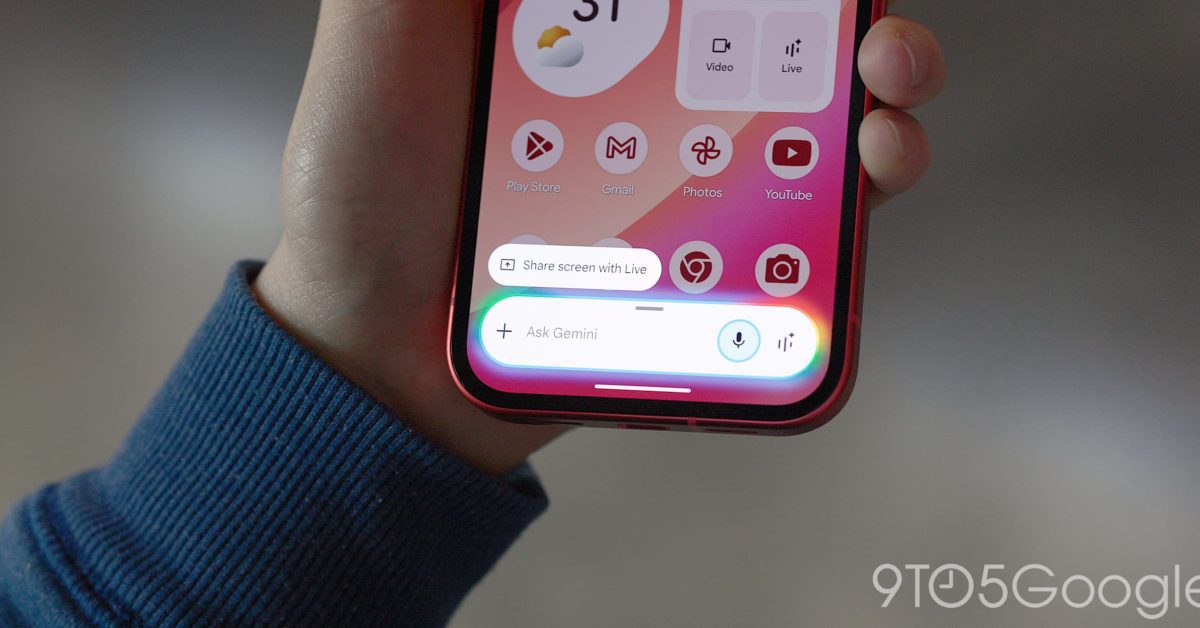
android 17 beta 2 refreshes location and Google has made notable changes to the privacy icons in the status bar with the release of Android 17 Beta 2, aiming for a more streamlined and recognizable design.
android 17 beta 2 refreshes location and
Overview of Android 17 Beta 2
Android 17 Beta 2 marks another significant step in Google’s ongoing efforts to enhance user privacy and security. This update comes as part of a broader initiative to refine the Android operating system, focusing on user experience and transparency regarding data access. The changes introduced in this beta version reflect Google’s commitment to making privacy features more intuitive for users.
Changes to Privacy Icons
One of the most prominent changes in Android 17 Beta 2 is the redesign of the privacy icons that appear in the status bar. These icons serve as visual indicators for users, informing them when apps are accessing sensitive features such as the camera and location services. In previous versions, the icons had a wider design that some users found less recognizable. The latest update simplifies these icons, making them more instantly identifiable.
The new design aims to provide users with clearer information at a glance. For instance, the camera icon now features a more compact shape, which reduces visual clutter in the status bar. This change is particularly important as users increasingly rely on their devices for various tasks, making it essential for them to quickly understand when their privacy may be at risk.
Rationale Behind the Redesign
The decision to modify the privacy icons is rooted in user feedback and a growing emphasis on privacy in the tech industry. As concerns about data security and privacy continue to rise, companies like Google are under pressure to ensure that users feel safe while using their devices. By simplifying the icons, Google aims to enhance user awareness regarding app permissions and data access.
Moreover, the redesign aligns with broader trends in user interface (UI) design, where minimalism and clarity are prioritized. A cleaner interface not only improves usability but also fosters trust between users and the platform. When users can easily discern when their data is being accessed, they are more likely to engage with the privacy features offered by the operating system.
Implications for Users
The changes in Android 17 Beta 2 have several implications for users, particularly in terms of privacy awareness and control over their data. As the icons become more recognizable, users may find it easier to monitor app behavior and make informed decisions regarding permissions.
Enhanced User Awareness
With the new privacy icons, users are likely to develop a heightened awareness of app activities. For example, if a user sees the camera icon illuminated, they may take a moment to consider whether they have granted the app permission to access the camera. This increased awareness can lead to more cautious behavior regarding app installations and permissions.
Furthermore, the redesign encourages users to engage with the privacy settings on their devices. As users become more aware of when apps are accessing sensitive features, they may be prompted to review and adjust their permissions. This proactive approach can help mitigate potential privacy risks and enhance overall security.
Impact on App Developers
The changes in Android 17 Beta 2 also have implications for app developers. As Google continues to refine its privacy features, developers must adapt their applications to comply with the new standards. This may involve revisiting how permissions are requested and ensuring that users are adequately informed about data usage.
Developers will need to prioritize transparency in their apps, providing clear explanations for why certain permissions are necessary. As users become more discerning about app permissions, developers who fail to communicate effectively may find it challenging to gain user trust. Therefore, the redesign of privacy icons serves as a reminder for developers to prioritize user education and transparency.
Stakeholder Reactions
The release of Android 17 Beta 2 has garnered mixed reactions from various stakeholders, including users, privacy advocates, and app developers. While many users appreciate the changes, some privacy advocates argue that more needs to be done to protect user data.
User Feedback
Initial user feedback regarding the new privacy icons has been largely positive. Many users have expressed appreciation for the simplified design, noting that it enhances their ability to monitor app behavior. Users have commented on social media platforms and forums, highlighting the importance of clear indicators in understanding when their data is being accessed.
However, some users have raised concerns about the effectiveness of the icons alone in ensuring privacy. They argue that while the icons are a step in the right direction, more comprehensive measures are needed to protect user data. This feedback underscores the ongoing dialogue about privacy in the digital age and the need for continuous improvement in privacy features.
Privacy Advocates’ Perspectives
Privacy advocates have welcomed the changes but emphasize that they are only part of a larger conversation about data protection. They argue that while visual indicators are helpful, they do not replace the need for robust privacy policies and practices. Advocates stress the importance of educating users about data security and encouraging them to take an active role in managing their privacy settings.
Furthermore, some advocates have called for greater transparency from app developers regarding data collection practices. They argue that users should be informed not only when their data is being accessed but also how it is being used and stored. This call for transparency aligns with broader trends in consumer rights and data protection legislation.
Developer Community Response
The developer community has also reacted to the changes in Android 17 Beta 2. Many developers recognize the importance of adapting to evolving privacy standards and are committed to ensuring that their apps align with Google’s guidelines. Some developers have expressed concerns about the potential impact on user engagement, particularly if users become overly cautious about granting permissions.
Developers are also exploring ways to enhance user education within their apps. By providing clear explanations for why certain permissions are necessary, developers can help users feel more comfortable granting access to sensitive features. This proactive approach can foster trust and encourage users to engage more fully with their applications.
Looking Ahead: Future Developments
As Google continues to refine its Android operating system, users can expect further enhancements to privacy features. The changes introduced in Android 17 Beta 2 are likely just the beginning of a series of updates aimed at improving user control over data access.
Potential Future Features
Future updates may include more granular control over app permissions, allowing users to specify exactly what data an app can access. This could involve features such as temporary permissions, where users can grant access for a limited time or under specific conditions. Such developments would empower users to take greater control over their data and enhance overall privacy.
Additionally, Google may explore integrating more advanced privacy features, such as machine learning algorithms that can detect unusual app behavior. By leveraging technology to identify potential privacy risks, Google could provide users with real-time alerts and recommendations for managing their app permissions.
Conclusion
Android 17 Beta 2 represents a significant step forward in Google’s efforts to enhance user privacy and security. The redesigned privacy icons aim to provide users with clearer information about app access to sensitive features, fostering greater awareness and control. As the tech landscape continues to evolve, the importance of user privacy remains paramount, and Google’s ongoing commitment to refining its privacy features is a positive development for users and developers alike.
Source: Original report
Was this helpful?
Explore more: Mobile App Development More Mobile Technology Tech News
Last Modified: February 27, 2026 at 5:42 am
17 views