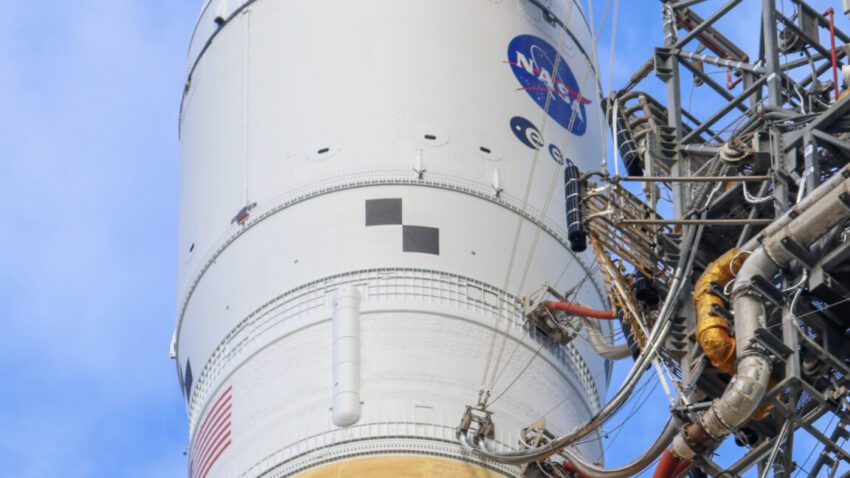
nasa says it needs to haul the NASA has announced that it will need to return the Artemis II rocket to the hangar for repairs, following the discovery of a new issue just weeks before the anticipated launch.
nasa says it needs to haul the
Background on the Artemis II Mission
The Artemis II mission is a critical component of NASA’s broader Artemis program, which aims to return humans to the Moon and eventually pave the way for future Mars exploration. Scheduled to be the first crewed mission of the Space Launch System (SLS), Artemis II will carry astronauts around the Moon and back to Earth, marking a significant milestone in NASA’s lunar exploration efforts. The mission is designed to test the spacecraft’s systems and ensure that they are ready for future lunar landings.
NASA’s Artemis program has garnered significant attention and investment, with the goal of landing the first woman and the next man on the Moon by the mid-2020s. The Artemis II mission is a crucial step in achieving this goal, as it will provide valuable data and experience for subsequent missions, including Artemis III, which aims to land astronauts on the lunar surface.
Recent Developments
On Saturday, NASA Administrator Jared Isaacman announced that a new problem had arisen, requiring the removal of the Artemis II rocket from its launch pad at Kennedy Space Center in Florida. This announcement came just a day after officials had expressed optimism about the mission’s timeline, indicating that preparations for a launch next month were progressing well.
Details of the Issue
The issue was first detected on Friday evening when data indicated an interruption in the helium flow into the upper stage of the SLS rocket. Helium is crucial for pressurizing the rocket’s fuel tanks and ensuring the proper functioning of its systems during launch. The interruption in flow raises concerns about the rocket’s readiness for launch, prompting the decision to return it to the Vehicle Assembly Building (VAB) for repairs.
Isaacman provided a more detailed update on social media, stating that engineers are currently examining the potential cause of the helium flow interruption. He emphasized that any necessary fixes must take place inside the VAB, where the rocket can be safely accessed and repaired. This decision underscores the complexity of the SLS rocket and the importance of ensuring that all systems are functioning optimally before launch.
Logistics of the Return
Returning the 322-foot-tall (98-meter) SLS rocket to the VAB involves significant logistical planning. NASA and its contractor ground teams will begin preparations to roll the rocket off Launch Complex 39B and back to the VAB. The rocket, along with its mobile launch platform, will be transported using NASA’s crawler-transporter, which is capable of moving heavy loads across the Kennedy Space Center’s 4-mile journey.
The crawler-transporter has been a vital asset for NASA, having been used for decades to transport rockets to the launch pad. Its ability to carry massive weights makes it an essential component of the launch infrastructure. The process of moving the SLS rocket will take several hours and requires careful coordination among various teams to ensure safety and efficiency.
Implications for the Artemis II Timeline
The decision to return the Artemis II rocket to the hangar raises questions about the mission’s timeline. NASA had previously indicated that they were aiming for a launch window next month, but this new development may impact that schedule. The agency has not yet provided a revised timeline for the mission, as engineers continue to assess the situation and determine the necessary repairs.
While NASA has faced challenges in the past with the Artemis program, including delays and technical issues, the agency remains committed to its goals. The Artemis II mission is seen as a crucial step in demonstrating the capabilities of the SLS and the Orion spacecraft, which will be instrumental for future lunar missions.
Stakeholder Reactions
The announcement has elicited a range of reactions from stakeholders, including industry experts, space enthusiasts, and members of Congress. Many have expressed disappointment at the delay but also emphasized the importance of ensuring that the rocket is fully operational before launch. The safety of the crew and the success of the mission are paramount, and stakeholders recognize that taking the time to address issues now can prevent more significant problems later.
Industry experts have noted that technical challenges are not uncommon in large-scale aerospace projects. The SLS rocket is one of the most complex launch vehicles ever built, and it is expected that there will be hurdles along the way. However, the ability of NASA and its contractors to identify and address these issues is a testament to their commitment to safety and mission success.
Future of the Artemis Program
Despite the setback, the Artemis program continues to move forward with its long-term goals. NASA has ambitious plans for lunar exploration, including establishing a sustainable human presence on the Moon by the end of the decade. The Artemis II mission is just one part of a larger vision that includes the Artemis III mission, which aims to land astronauts on the lunar surface, and the Artemis IV mission, which will focus on building a lunar base.
In addition to lunar exploration, NASA is also looking to leverage the technologies developed through the Artemis program for future Mars missions. The experience gained from Artemis II and subsequent missions will be invaluable in preparing for human exploration of the Red Planet.
Public Interest and Support
The Artemis program has generated significant public interest, with many people closely following the developments of the Artemis II mission. NASA has made efforts to engage the public through educational initiatives, outreach programs, and social media updates. The excitement surrounding the prospect of returning humans to the Moon has captured the imagination of many, and the agency is keen to maintain that enthusiasm.
Public support for space exploration remains strong, with many advocating for increased funding and resources to support NASA’s missions. As the Artemis program progresses, it will be essential for NASA to communicate effectively with the public and stakeholders to maintain confidence in its plans and objectives.
Conclusion
The decision to return the Artemis II rocket to the hangar for repairs is a reminder of the complexities involved in space exploration. While this setback may impact the mission’s timeline, NASA’s commitment to safety and mission success remains unwavering. As engineers work to resolve the helium flow issue, the agency will continue to prepare for future missions that will pave the way for human exploration of the Moon and beyond.
As the Artemis program evolves, it will be crucial for NASA to address challenges head-on while keeping the public and stakeholders informed. The journey to the Moon is fraught with obstacles, but with perseverance and innovation, NASA aims to achieve its ambitious goals and inspire future generations of explorers.
Source: Original report
Was this helpful?
Explore more: DevOps Services More Cloud & DevOps Tech News
Last Modified: February 22, 2026 at 7:35 am
15 views