nasa s first medical evacuation from space NASA successfully executed its first medical evacuation from space, marking a significant milestone in space travel and crew safety protocols.
nasa s first medical evacuation from space
Overview of the Mission
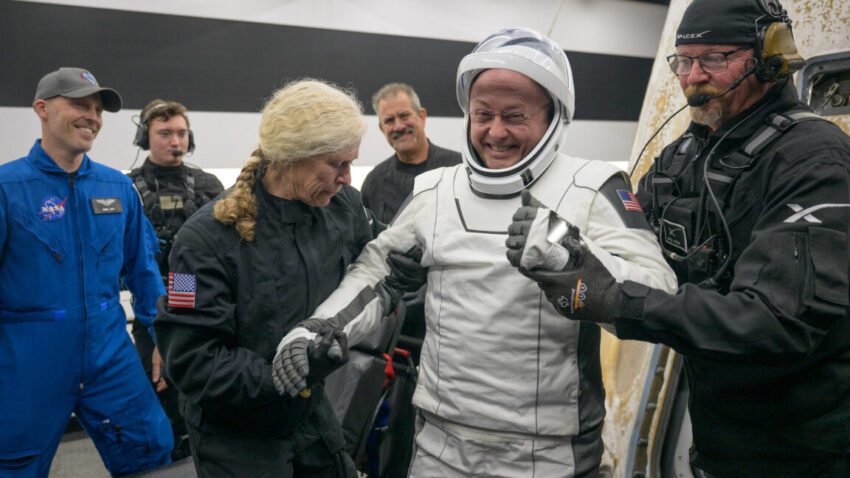
On early Thursday, a diverse crew consisting of two American astronauts, a Japanese astronaut, and a Russian cosmonaut returned to Earth after spending 167 days in orbit aboard the International Space Station (ISS). This return was expedited by more than a month due to a medical issue that arose for one of the crew members just a week prior to their departure.
Details of the Splashdown
The crew’s return culminated in a successful splashdown in the Pacific Ocean, off the coast of San Diego, at 12:41 AM PST (08:41 UTC). They were aboard a SpaceX Crew Dragon spacecraft, which had been instrumental in transporting them back to Earth safely. The splashdown occurred shortly after the Dragon capsule re-entered the Earth’s atmosphere, creating a visible streak of light that was reported from San Francisco to Los Angeles, as observers witnessed the fiery descent.
Re-entry and Descent
As the spacecraft approached Earth, it deployed four parachutes to slow its descent, ensuring a controlled landing. This maneuver is critical for the safety of the astronauts, as it reduces the impact force during splashdown. The successful deployment of the parachutes is a testament to the rigorous testing and engineering that SpaceX has implemented in its Crew Dragon program.
Commander’s Remarks
Upon splashdown, Zena Cardman, the commander of the Crew-11 mission, communicated with SpaceX mission control, expressing her relief and gratitude: “It feels good to be home, with deep gratitude to the teams who got us there and back.” This statement underscores the collaborative efforts of various teams involved in the mission, from NASA to SpaceX, highlighting the importance of teamwork in space exploration.
Background on the Medical Issue
The specific medical issue that prompted the early evacuation has not been disclosed, raising questions about the protocols in place for handling such emergencies in space. The decision to return the crew early reflects a commitment to astronaut health and safety, which is paramount in space missions. NASA and its partners have developed comprehensive medical protocols to address a variety of health concerns that may arise during long-duration spaceflight.
Implications for Future Missions
This incident may have broader implications for future space missions, particularly as NASA and private companies like SpaceX plan for longer missions to destinations such as Mars. The ability to conduct a medical evacuation successfully demonstrates that protocols and technologies are in place to ensure astronaut safety, even in unexpected situations. This experience will likely inform future training and operational procedures for astronauts and mission control teams.
International Collaboration in Space
The mission also highlights the international collaboration that is a hallmark of the ISS program. With astronauts from the United States, Japan, and Russia working together, it illustrates the global nature of modern space exploration. Such collaborations are essential for addressing the complex challenges of living and working in space, and they foster goodwill among nations.
Reactions from Stakeholders
Reactions to the successful evacuation have been overwhelmingly positive from various stakeholders in the space community. NASA officials have praised the mission’s execution, emphasizing the importance of safety and preparedness. SpaceX has also expressed satisfaction with the performance of its Crew Dragon spacecraft, which has been pivotal in transporting astronauts to and from the ISS since its first crewed flight in May 2020.
Future of Space Travel
As space agencies and private companies continue to push the boundaries of human exploration, the lessons learned from this medical evacuation will be invaluable. The ability to respond effectively to medical emergencies in space is crucial for the success of future missions, especially as plans for lunar and Martian exploration become more concrete. NASA’s Artemis program, which aims to return humans to the Moon, and the long-term goal of sending astronauts to Mars, will require robust health and safety protocols.
Technological Advancements
The advancements in spacecraft technology, such as the SpaceX Crew Dragon, have significantly improved the safety and reliability of human spaceflight. The Crew Dragon’s design incorporates numerous safety features, including automated systems for launch and landing, which reduce the risk of human error. These technological innovations are essential as we venture further into space, where the challenges become increasingly complex.
Conclusion
The successful medical evacuation from the ISS not only marks a significant achievement for NASA and SpaceX but also sets a precedent for future missions. The collaborative efforts of international teams, combined with advanced technology, underscore the importance of safety in space exploration. As humanity looks toward the stars, ensuring the health and well-being of astronauts will remain a top priority.
Source: Original report
Was this helpful?
Explore more: More General Technology Tech News Blog
Last Modified: January 16, 2026 at 9:43 am
21 views