nasa finally acknowledges the elephant in the The Space Launch System (SLS) program, a cornerstone of NASA’s ambitions for deep space exploration, has faced significant scrutiny over its cost and timeline.
nasa finally acknowledges the elephant in the
Background of the SLS Program
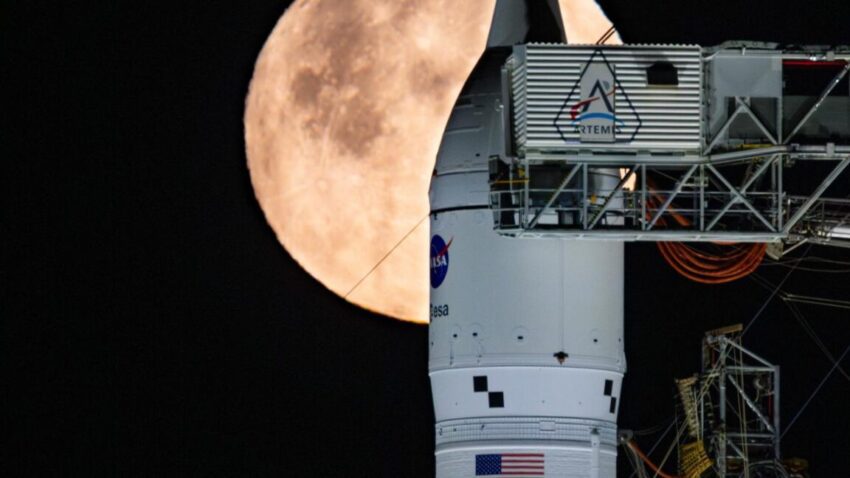
Initiated in 2011, the SLS program was designed to provide NASA with a powerful launch vehicle capable of sending astronauts beyond low Earth orbit, particularly to destinations like the Moon and Mars. The SLS was envisioned as a key component of NASA’s Artemis program, which aims to return humans to the Moon and eventually facilitate crewed missions to Mars. However, the program has been plagued by delays and budget overruns, raising questions about its viability and effectiveness.
Financial Implications
As of now, the SLS program has cost U.S. taxpayers over $30 billion. This staggering figure has sparked debates regarding the allocation of federal funds, especially in an era where budget constraints are increasingly scrutinized. Critics argue that the money spent on the SLS could have been better utilized in other areas of space exploration, such as developing more cost-effective launch systems or investing in new technologies.
The financial burden of the SLS program is compounded by its slow development pace. Each launch of the SLS is estimated to cost around $2 billion, making it one of the most expensive rockets ever built. This has led to concerns about the sustainability of the program, especially when compared to other launch systems, such as SpaceX’s Falcon Heavy, which offers a more economical alternative for launching payloads into space.
Technical Challenges
The SLS is not just a rocket; it is a complex system that includes a range of ground support systems necessary for its operation. The rocket’s reliance on liquid hydrogen as a propellant presents unique challenges. Hydrogen is notoriously difficult to handle, requiring intricate ground systems to manage its fueling and storage. These systems have contributed to the overall complexity and cost of the SLS program.
Delays and Scrubbed Launches
The SLS program has faced numerous delays, with the most notable instance occurring in March 2022. NASA attempted to conduct a wet dress rehearsal, a critical test that involves fueling the rocket and simulating a countdown. However, the agency had to scrub the first three attempts due to various technical issues. This series of setbacks highlighted the ongoing challenges facing the program and raised concerns about its readiness for actual missions.
After the initial attempts, the SLS was rolled back to its hangar in April 2022 for further work. It returned to the launch pad in June, but the delays had already set off alarms among stakeholders. The repeated postponements not only affect NASA’s timeline for Artemis missions but also impact the broader landscape of space exploration, where timely advancements are crucial for maintaining public interest and funding.
Stakeholder Reactions
The reactions to the SLS program’s challenges have been mixed among stakeholders. NASA officials have defended the program, emphasizing the importance of the SLS in achieving long-term exploration goals. They argue that the rocket’s capabilities are unmatched and that the investment will pay off in the long run.
However, critics, including some members of Congress, have expressed frustration over the program’s inefficiencies. They argue that the delays and costs undermine public trust in NASA’s ability to deliver on its promises. Some have called for a reevaluation of the SLS program, suggesting that NASA should consider alternative launch systems that could provide similar capabilities at a fraction of the cost.
Public Perception
The public’s perception of the SLS program has also been shaped by its challenges. As NASA aims to inspire a new generation of space enthusiasts, the slow progress of the SLS could dampen enthusiasm for space exploration. The excitement surrounding the Artemis program is palpable, but the repeated delays and high costs could lead to skepticism about NASA’s ability to execute its ambitious plans.
Future Prospects
Looking ahead, the future of the SLS program remains uncertain. NASA has outlined a series of missions under the Artemis program, with the first crewed lunar landing planned for 2025. However, the timeline for these missions is contingent upon the successful launch of the SLS. If further delays occur, it could push back the entire Artemis schedule, impacting not only lunar exploration but also future Mars missions.
Alternative Launch Systems
In light of the SLS’s challenges, alternative launch systems are gaining traction. SpaceX’s Starship, for instance, is designed to be a fully reusable spacecraft capable of carrying large payloads and crew to various destinations. The development of such systems poses a competitive threat to the SLS, as they offer a more flexible and cost-effective approach to space exploration.
Additionally, other companies are entering the launch market, providing a range of options for payload delivery. This diversification could lead to increased competition, ultimately benefiting NASA and other space agencies by driving down costs and improving access to space.
Conclusion
The Space Launch System program stands at a crossroads. While it represents a monumental effort in U.S. space exploration, its high costs and slow development pace raise critical questions about its future. As NASA continues to navigate these challenges, the agency must balance its ambitious goals with the realities of budget constraints and technical hurdles. The success of the SLS will not only determine the fate of the Artemis program but also shape the future of human space exploration for years to come.
Source: Original report
Was this helpful?
Explore more: More Hardware & Devices Tech News Blog
Last Modified: February 4, 2026 at 10:37 pm
16 views