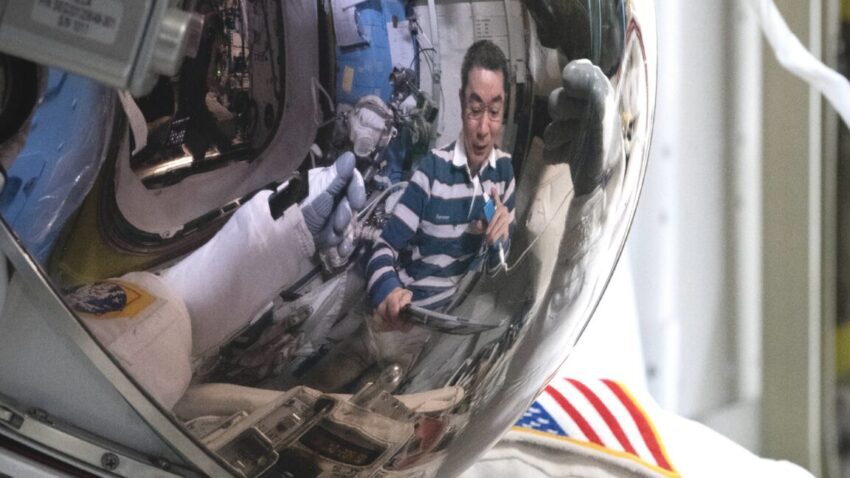
nasa considers evacuating ailing crew member from A recent medical situation aboard the International Space Station (ISS) has led NASA to postpone a scheduled spacewalk and consider the possibility of evacuating a crew member.
nasa considers evacuating ailing crew member from
Incident Overview
On Wednesday, NASA reported that a member of the ISS crew experienced an unspecified medical situation, prompting the agency to delay a planned spacewalk. This incident has raised concerns regarding the health and safety of the astronauts aboard the station, which currently houses a seven-person crew. While NASA has not disclosed the identity of the affected crew member or the specifics of their medical condition, the situation has sparked discussions about the protocols in place for medical emergencies in space.
Spacewalk Postponement
The planned spacewalk was intended to conduct routine maintenance and upgrades to the ISS, a critical component of ongoing research and international collaboration in space exploration. NASA officials made the decision to postpone the spacewalk as a precautionary measure, emphasizing the importance of crew health and safety above all else. This decision reflects NASA’s commitment to ensuring that all crew members are fit for duty, especially during complex operations outside the station.
Medical Privacy and Protocols
In accordance with medical privacy regulations, NASA has refrained from providing detailed information about the crew member’s condition. This confidentiality is standard practice in medical situations, particularly in high-stakes environments like the ISS. The agency’s focus remains on the well-being of the crew, and officials have stated that they will provide updates as more information becomes available.
Evacuation Considerations
The potential for a medical evacuation from the ISS is a topic of significant interest, especially given that NASA has never had to execute such a procedure in the history of the space station. The ISS is equipped with lifeboats, known as Crew Dragon spacecraft, which are designed for emergency situations. These spacecraft can be activated to transport crew members back to Earth in the event of a serious medical emergency or other critical incidents.
History of Medical Emergencies in Space
While medical emergencies have occurred in space before, the protocols for handling such situations have evolved significantly over the years. Astronauts undergo extensive training to prepare for various medical scenarios, including administering first aid and managing health issues that may arise during missions. The ISS has a robust medical support system, including telemedicine capabilities that allow astronauts to consult with Earth-based medical professionals in real-time.
Previous incidents aboard the ISS have included minor health issues, such as colds and injuries, which were managed effectively without the need for evacuation. However, the current situation underscores the importance of having contingency plans in place for more serious medical conditions.
Implications for the Crew and Mission
The health of the crew is paramount, and any decision regarding evacuation will be made with careful consideration of the potential risks and benefits. If a medical evacuation is deemed necessary, it could have significant implications for the ongoing mission aboard the ISS. The crew’s workload may need to be adjusted, and the timeline for future operations could be impacted.
Stakeholder Reactions
The news of the medical situation has elicited various reactions from stakeholders in the space community. Fellow astronauts, mission control teams, and space agencies around the world are closely monitoring the situation. Many have expressed their support for the affected crew member and their colleagues, emphasizing the importance of prioritizing health and safety in space exploration.
Experts in the field of space medicine have also weighed in on the situation, highlighting the challenges of providing medical care in a microgravity environment. The unique conditions of space can complicate diagnosis and treatment, making it essential for astronauts to have access to comprehensive medical training and resources.
Future Considerations
As NASA navigates this medical situation, the agency will likely conduct a thorough review of its protocols and preparedness for future emergencies. The lessons learned from this incident could inform improvements in training, medical support, and emergency response strategies for astronauts on the ISS and future missions.
International Collaboration
The ISS is a symbol of international collaboration in space exploration, involving contributions from multiple space agencies, including NASA, Roscosmos, ESA, JAXA, and CSA. The current situation highlights the importance of communication and cooperation among these agencies, particularly when addressing health and safety concerns. Collaborative efforts in medical research and technology development can enhance the capabilities of astronauts to manage health issues in space.
Conclusion
The recent medical situation aboard the ISS serves as a reminder of the inherent risks associated with human spaceflight. While NASA has not yet made a decision regarding evacuation, the agency’s focus on crew health and safety remains unwavering. As the situation develops, stakeholders will continue to monitor the well-being of the crew and the implications for ongoing missions. The incident underscores the need for robust medical protocols and the importance of preparedness in the ever-evolving landscape of space exploration.
Source: Original report
Was this helpful?
Explore more: More General Technology Tech News Blog
Last Modified: January 8, 2026 at 4:36 pm
29 views