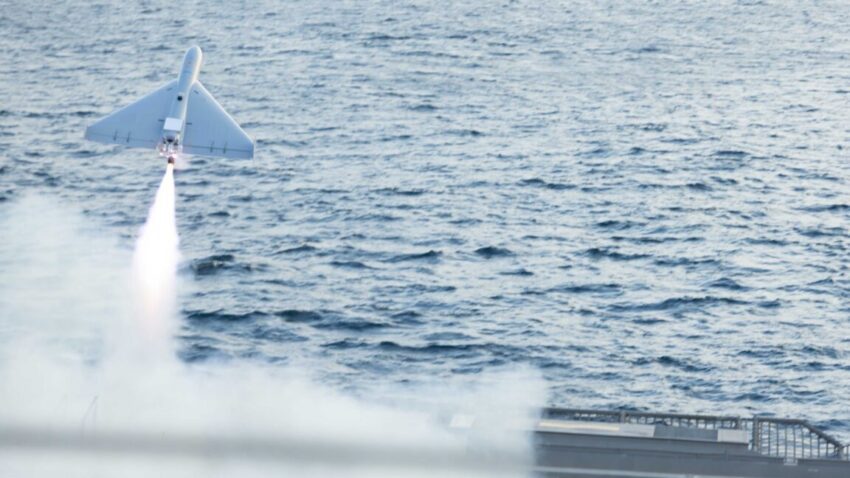
musk says us military suicide drones used Elon Musk has claimed that U.S. military suicide drones utilized SpaceX’s Starlink service in a manner that contravenes the company’s established terms of service.
musk says us military suicide drones used
Background on Starlink and Starshield
Starlink, a satellite internet constellation developed by SpaceX, has gained significant attention for its ability to provide internet access in remote and underserved areas. Launched in 2019, Starlink has expanded rapidly, with thousands of satellites in low Earth orbit. The service has been particularly valuable in conflict zones, where traditional communication infrastructure may be compromised.
In response to the growing demand for secure communications, SpaceX introduced Starshield, a dedicated satellite service designed specifically for government and military use. Starshield aims to provide enhanced security features and capabilities tailored to the needs of defense contractors and government agencies. This service is distinct from the commercial Starlink offering, which is available to the general public.
Recent Developments in Military Use of Starlink
According to a report by Reuters, tensions have arisen between SpaceX and the Pentagon concerning the pricing of Starshield services during the ongoing conflict in Iran. The report indicates that SpaceX requested a significant increase in fees for the use of its satellite terminals on military drones, specifically those referred to as “kamikaze” attack drones.
Pricing Disputes
SpaceX’s request for $25,000 per drone for Starshield access marks a substantial increase from the previous rate of $5,000. This price hike has reportedly caused friction between the two parties, as the Pentagon has expressed objections to the new pricing structure. Despite these objections, the Pentagon ultimately agreed to the increased fees, reflecting the urgent need for reliable communications in military operations.
Musk’s Response
Elon Musk has publicly disputed the accuracy of the Reuters report, asserting that the information presented is incorrect. However, he acknowledged that the military drones initially relied on the commercial Starlink service rather than the intended government-specific Starshield network. This admission raises questions about compliance with SpaceX’s terms of service, which are designed to prevent unauthorized use of its commercial offerings for military applications.
Implications of the Violation
The use of commercial Starlink services for military operations, particularly in the context of suicide drones, has significant implications for both SpaceX and the U.S. military. The violation of terms of service could lead to legal ramifications for SpaceX, as well as potential reputational damage. Furthermore, it raises ethical concerns regarding the use of commercial technology in warfare.
Stakeholder Reactions
The reactions from various stakeholders have been mixed. Military officials may view the increased costs as a necessary expenditure given the strategic advantages provided by reliable satellite communications. However, there may also be concerns about the long-term implications of relying on a commercial entity for critical military operations.
On the other hand, SpaceX’s position as a private company complicates the relationship with the military. As a commercial provider, SpaceX must balance its business interests with the ethical considerations of providing services that could be used in combat situations. This situation highlights the growing intersection of commercial technology and military applications, raising questions about accountability and oversight.
Future Considerations
As the conflict in Iran continues, the reliance on satellite communications is likely to increase. The Pentagon’s willingness to pay higher fees for Starshield access indicates a recognition of the importance of reliable communication systems in modern warfare. However, this situation also underscores the need for clear guidelines and agreements between commercial providers and military entities.
Regulatory and Ethical Frameworks
The incident serves as a reminder of the necessity for robust regulatory frameworks governing the use of commercial technologies in military applications. As private companies like SpaceX play an increasingly prominent role in defense operations, it is essential to establish clear guidelines that address the ethical implications of such collaborations.
Moreover, the potential for misuse of commercial technologies in warfare raises questions about accountability. If a commercial service is used in a manner that contravenes its terms of service, who bears responsibility for the consequences? These are critical questions that must be addressed as the lines between commercial and military technologies continue to blur.
Conclusion
The ongoing dispute between SpaceX and the Pentagon highlights the complexities of integrating commercial technologies into military operations. As the demand for reliable satellite communications grows, the relationship between private companies and government entities will likely evolve. The implications of this incident extend beyond pricing disputes; they touch on ethical considerations, regulatory frameworks, and the future of warfare itself.
As stakeholders navigate these challenges, it will be crucial to establish clear guidelines that govern the use of commercial technologies in military contexts. The outcome of this situation may set important precedents for future collaborations between private companies and the defense sector.
Source: Original report
Was this helpful?
Explore more: DevOps Services More Cloud & DevOps Tech News
Last Modified: May 27, 2026 at 11:37 am
12 views