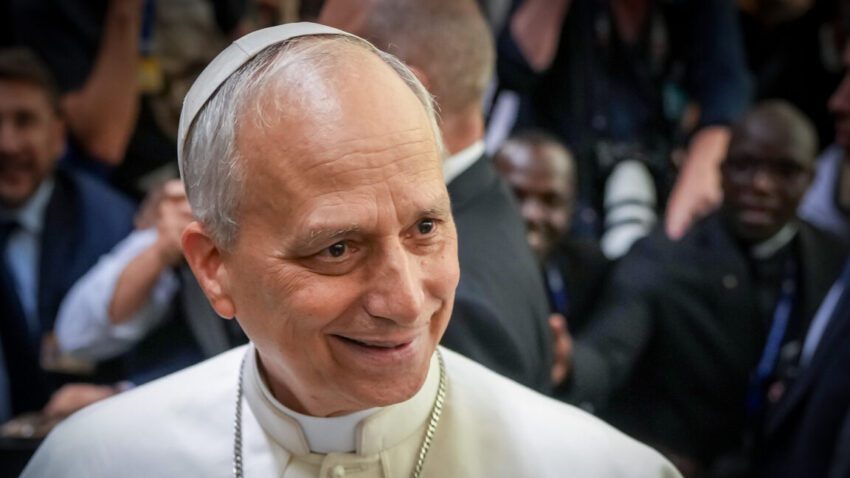
is peter thiel the target of pope A recent papal encyclical has sparked speculation about whether Peter Thiel, the controversial tech entrepreneur and co-founder of PayPal, is the target of a veiled message from Pope Leo, particularly through a reference to Gandalf from J.R.R. Tolkien’s “The Lord of the Rings.”
is peter thiel the target of pope
The Context of the Encyclical
Pope Leo’s encyclical, released on May 1, 2026, addresses the intersection of artificial intelligence (AI) and technology with moral and ethical considerations. This document is significant not only for its theological implications but also for its commentary on contemporary issues that affect society at large. The encyclical spans approximately 40,000 words and is part of a long-standing tradition in the Catholic Church to engage with modern challenges through the lens of faith.
In this encyclical, Pope Leo quotes Gandalf, the wise wizard from Tolkien’s epic saga, in a passage that reads: “It is not our part to master all the tides of the world, but to do what is in us for the succour of those years wherein we are set, uprooting the evil in the fields that we know, so that those who live after may have clean earth to till.” This quote stands out as the only literary reference in the entire document, raising eyebrows and prompting discussions about its implications.
Who is Peter Thiel?
Peter Thiel is a prominent figure in the tech industry, known for his role in founding PayPal and for his early investments in Facebook. However, he has also gained notoriety for his controversial views on various subjects, including technology’s role in society and the future of humanity. Thiel has often expressed alarmist views about the implications of AI and other emerging technologies, positioning himself as a critic of unchecked technological advancement.
His views have often polarized public opinion, leading some to label him as an “Antichrist alarmist.” This term reflects his warnings about the potential dangers posed by AI and other technologies, suggesting that they could lead to unforeseen consequences that may threaten humanity’s future. Given this context, the inclusion of a Gandalf quote in a papal encyclical could be interpreted as a pointed commentary on Thiel’s perspective.
The Significance of the Gandalf Quote
The choice to include a quote from Gandalf in such a significant document raises questions about the Pope’s intentions. Gandalf, a character known for his wisdom and moral guidance, serves as a symbol of hope and resilience in the face of overwhelming challenges. The quote itself emphasizes the importance of taking action within one’s own sphere of influence rather than attempting to control the larger forces at play in the world.
This message could be seen as a direct challenge to Thiel’s alarmist views. By invoking Gandalf, Pope Leo may be suggesting that rather than fearing the future and the potential dangers of AI, individuals should focus on addressing the issues they can influence. This perspective aligns with the Catholic Church’s teachings on stewardship and responsibility, urging people to engage positively with the world around them.
Reactions from the Tech Community
The tech community has responded with a mix of intrigue and skepticism regarding the encyclical and its implications. Some industry leaders have praised the Pope for addressing the ethical dimensions of technology, while others have questioned the relevance of a religious figure weighing in on such matters.
Many in the tech industry view the encyclical as a timely reminder of the responsibilities that come with technological advancement. As AI continues to evolve and permeate various aspects of life, the ethical considerations surrounding its use become increasingly critical. The Pope’s message resonates with those who advocate for a more responsible approach to technology, emphasizing the need for ethical frameworks that guide innovation.
Support for Ethical Technology
Supporters of ethical technology argue that the encyclical could serve as a catalyst for discussions about the moral implications of AI. They believe that the Pope’s reference to Gandalf underscores the importance of wisdom and foresight in navigating the complexities of modern technology. By encouraging individuals and organizations to focus on the “fields that we know,” the encyclical advocates for a grounded approach to technological development.
Criticism of Religious Involvement
On the other hand, some critics argue that the involvement of religious figures in discussions about technology can be problematic. They contend that while ethical considerations are essential, the tech industry should primarily be guided by scientific and empirical evidence rather than religious doctrine. This perspective raises questions about the role of faith in shaping public policy and technological innovation.
Moreover, critics have pointed out that the tech industry is often driven by market forces and competition, which may not always align with ethical considerations. They argue that relying on religious guidance could lead to a disconnect between the realities of technological advancement and the moral frameworks proposed by religious leaders.
The Broader Implications of the Encyclical
The encyclical’s release comes at a time when discussions about AI ethics are more relevant than ever. As AI technologies become increasingly integrated into everyday life, concerns about privacy, bias, and accountability have emerged. The Pope’s call for responsible stewardship resonates with ongoing debates about how to ensure that technology serves the common good rather than exacerbating existing inequalities.
Furthermore, the encyclical highlights the need for collaboration between various stakeholders, including technologists, ethicists, policymakers, and religious leaders. By fostering dialogue among these groups, the hope is to create a more comprehensive understanding of the challenges posed by AI and to develop frameworks that prioritize ethical considerations.
Potential for Future Engagement
The inclusion of a literary reference in a papal encyclical may also signal a willingness to engage with popular culture and contemporary narratives. By referencing Gandalf, Pope Leo taps into a shared cultural touchstone that resonates with many individuals, particularly those who grew up with Tolkien’s works. This approach could serve as a bridge between religious teachings and the secular world, making ethical discussions more accessible to a broader audience.
Conclusion
While it remains unclear whether Pope Leo intended to send a specific message to Peter Thiel, the inclusion of Gandalf in the encyclical undoubtedly raises important questions about the role of technology in society. As discussions about AI and its implications continue to evolve, the Pope’s call for responsible stewardship and ethical engagement serves as a timely reminder of the responsibilities that come with technological advancement.
In an age where technology is rapidly changing the landscape of human interaction and societal norms, the encyclical invites individuals and organizations to reflect on their roles in shaping the future. Whether one views the reference to Gandalf as a pointed commentary or a broader call for ethical engagement, it is clear that the conversation surrounding AI and technology is far from over.
Source: Original report
Was this helpful?
Explore more: More General Technology Tech News Blog
Last Modified: May 27, 2026 at 11:36 am
16 views