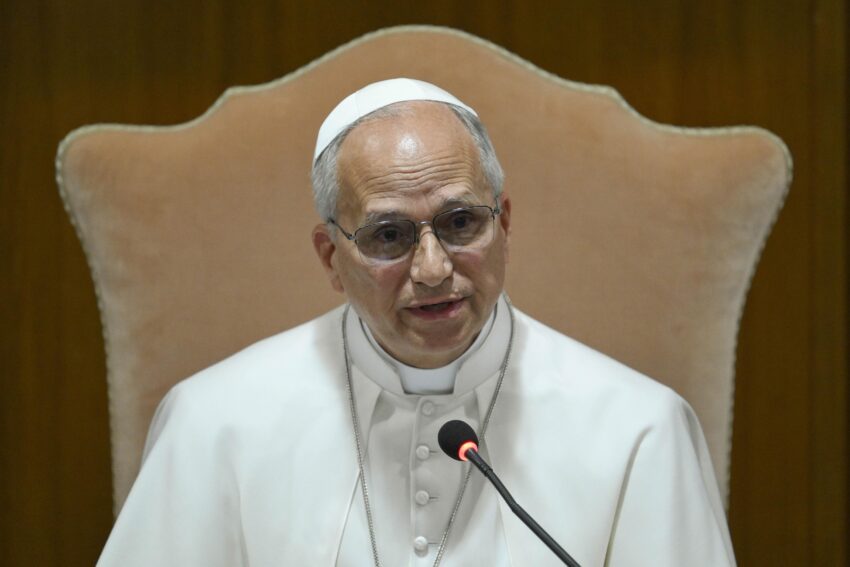
did the pope use ai to write Recent analyses suggest that parts of Pope Leo XIV’s latest encyclical, “Magnifica Humanitas,” may have been generated using artificial intelligence, raising questions about the intersection of technology and theological discourse.
did the pope use ai to write
Background on the Encyclical
Pope Leo XIV’s encyclical, titled “Magnifica Humanitas,” addresses the profound implications of artificial intelligence on humanity. This document is part of a long-standing tradition in the Catholic Church, where encyclicals serve as formal letters to the clergy and laity, discussing significant issues of moral and social importance. The encyclical aims to navigate the ethical landscape shaped by rapid advancements in AI technology, emphasizing the need for a moral framework as society increasingly integrates these technologies into daily life.
In recent years, the Catholic Church has shown a growing interest in the ethical implications of technology. Previous encyclicals have tackled issues such as environmental stewardship and social justice, and “Magnifica Humanitas” continues this trend by focusing on the moral responsibilities associated with AI. The document seeks to guide believers in understanding how AI can be harnessed for the common good while cautioning against its potential dangers.
AI’s Role in Writing the Encyclical
According to an analysis conducted by Linch Zhang, a contributor on the forum LessWrong, certain sections of “Magnifica Humanitas” may have been written by AI. Using the AI detection tool Pangram, Zhang found that some paragraphs exhibited characteristics typical of AI-generated text. The analysis indicated that between 40 percent and 100 percent of specific sections could be attributed to AI writing.
This revelation has sparked considerable debate within both technological and religious communities. The implications of using AI in such a significant document raise questions about authenticity, authorship, and the nature of divine inspiration. If AI contributed to the encyclical, it would mark a notable shift in how religious texts are produced and perceived.
Characteristics of AI-Generated Text
One of the key findings in Zhang’s analysis was the presence of certain linguistic traits that are often associated with AI-generated writing. For instance, the frequent use of the word “genuinely” was noted as a hallmark of text produced by Anthropic’s Claude, an AI model known for its distinctive language patterns. In contrast, previous encyclicals have demonstrated a different linguistic style, raising questions about the authenticity of the current document.
Furthermore, the analysis revealed that the first chapter of “Magnifica Humanitas” contained 62 percent of its content that could be identified as AI-generated. This statistic is particularly striking given the weight and significance of the encyclical’s subject matter. The use of AI in crafting such a document could potentially undermine the perceived authority and authenticity of the Pope’s message.
Implications for the Church and Society
The potential use of AI in drafting “Magnifica Humanitas” has far-reaching implications for both the Catholic Church and society at large. If AI is indeed involved in the creation of religious texts, it raises fundamental questions about the nature of inspiration and the role of technology in spiritual matters.
Authenticity and Authority
One of the most pressing concerns is the authenticity of the encyclical. Traditionally, encyclicals are seen as authoritative teachings from the Pope, guided by divine inspiration. If portions of the text are generated by AI, it could challenge the perception of the Pope’s authority and the authenticity of the message being conveyed.
Moreover, this situation could lead to a broader discussion about the role of AI in religious contexts. As technology continues to evolve, the Church may need to establish guidelines on the use of AI in theological discourse. This could involve discussions about the ethical implications of using AI to generate content that is intended to guide moral and spiritual beliefs.
Technological Literacy in the Church
The encyclical’s potential reliance on AI also highlights the need for increased technological literacy within the Church. As society becomes more intertwined with technology, religious leaders must be equipped to understand and address the ethical implications of these advancements. This includes not only recognizing the potential benefits of AI but also understanding its limitations and risks.
By fostering a culture of technological literacy, the Church can better engage with contemporary issues and provide relevant guidance to its followers. This may involve educating clergy and laity alike about the capabilities and limitations of AI, as well as the ethical considerations that arise from its use.
Reactions from Stakeholders
The revelation that AI may have played a role in writing “Magnifica Humanitas” has elicited a range of reactions from various stakeholders, including theologians, ethicists, and technology experts.
Theologians’ Perspectives
Some theologians have expressed concern over the implications of AI-generated content in religious texts. They argue that the essence of theological writing lies in the human experience and divine inspiration, both of which may be compromised if AI is involved. The fear is that reliance on AI could dilute the spiritual depth and authenticity that is expected from such documents.
Conversely, other theologians see the potential for AI to enhance theological discourse. They argue that AI can serve as a tool for exploring complex ideas and generating new insights, provided it is used responsibly. This perspective emphasizes the importance of maintaining a balance between technological advancement and spiritual integrity.
Ethicists’ Concerns
Ethicists have also weighed in on the discussion, highlighting the moral implications of using AI in religious contexts. They caution against the potential for AI to perpetuate biases or inaccuracies, which could have serious consequences for the teachings of the Church. The ethical considerations surrounding AI usage extend beyond religious texts, touching on broader societal issues such as accountability, transparency, and the potential for misinformation.
Technology Experts’ Insights
Technology experts have noted that while AI can produce text that mimics human writing, it lacks the depth of understanding and emotional resonance that comes from human authorship. They emphasize the importance of recognizing the limitations of AI and the need for human oversight in any context where AI-generated content is utilized. This perspective underscores the necessity of maintaining a clear distinction between human creativity and machine-generated output.
The Future of AI in Religious Discourse
The potential use of AI in drafting “Magnifica Humanitas” raises important questions about the future of religious discourse in an increasingly digital world. As technology continues to evolve, the Church may need to adapt its approach to theological writing and communication.
Establishing Guidelines
One possible avenue for the Church is to establish guidelines for the use of AI in religious contexts. These guidelines could outline best practices for integrating AI into theological discourse while ensuring that the core values and teachings of the Church remain intact. This may involve setting standards for transparency, accountability, and ethical considerations when utilizing AI-generated content.
Engaging with the Digital Age
Moreover, the Church may need to engage more actively with the digital age, leveraging technology to reach a broader audience. This could involve utilizing AI to enhance communication strategies, create educational resources, and foster dialogue on pressing ethical issues. By embracing technology, the Church can remain relevant in a rapidly changing world while upholding its foundational teachings.
Conclusion
The possibility that AI played a role in writing parts of Pope Leo XIV’s encyclical “Magnifica Humanitas” has opened up a complex dialogue about the intersection of technology and theology. As society grapples with the implications of AI, the Church faces the challenge of navigating this new landscape while maintaining its spiritual integrity. The discussions surrounding this encyclical may serve as a catalyst for broader conversations about the role of technology in shaping moral and ethical frameworks in the modern world.
Source: Original report
Was this helpful?
Explore more: AI Automation Services More AI & Automation Tech News
Last Modified: May 27, 2026 at 11:38 am
9 views