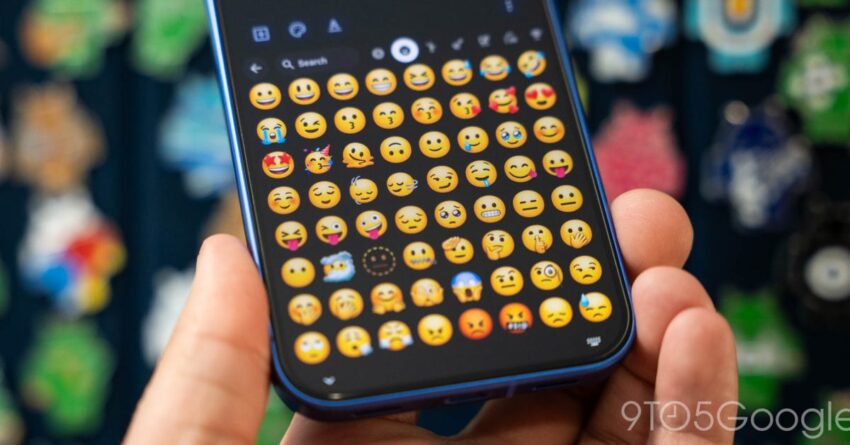
more of google pixel s new 3d Google is set to enhance its emoji offerings with the introduction of new 3D designs for Android 17, as recent leaks provide a detailed preview of the upcoming changes.
more of google pixel s new 3d
Introduction to the New 3D Emoji
Earlier this week, Google unveiled a first look at the redesigned 3D emoji that will be featured on Google Pixel phones and other Google products. This announcement has generated considerable excitement among users and developers alike, as the new designs promise to modernize the way users express themselves through digital communication. The enhancements are part of the broader Android 17 update, which is expected to roll out later this year.
Background on Emoji Evolution
Emoji have become an integral part of digital communication, allowing users to convey emotions, ideas, and concepts in a visually engaging manner. Since their inception, emoji have undergone significant transformations, evolving from simple 2D images to more complex and expressive designs. Google, along with other tech giants, has been at the forefront of this evolution, continuously updating its emoji library to reflect cultural shifts and user preferences.
The introduction of 3D emoji marks a notable shift in this trajectory. By moving away from flat designs, Google aims to create a more immersive and relatable experience for users. The new 3D emoji are designed to be more lifelike, offering a range of expressions and styles that cater to diverse user needs.
Key Features of the New 3D Emoji
The leaked images of the new 3D emoji reveal several key features that set them apart from their predecessors:
- Enhanced Depth and Dimension: The 3D designs provide a sense of depth that was previously lacking in 2D emoji. This allows for more nuanced expressions and a greater variety of poses.
- Increased Customization: Users can expect more options for personalization, including different skin tones, hairstyles, and accessories, making the emoji more representative of diverse communities.
- Improved Animation: The new emoji will feature smoother animations, enhancing their expressiveness in messaging applications.
- Contextual Relevance: Many of the new designs are tailored to reflect current trends and cultural references, ensuring that they resonate with users on a personal level.
Implications for Users and Developers
The introduction of 3D emoji is expected to have several implications for both users and developers:
For Users
Users will benefit from a more engaging and expressive way to communicate. The enhanced designs allow for greater emotional nuance, enabling users to convey feelings more accurately. This is particularly important in digital communication, where tone and context can often be misinterpreted. The new emoji can help bridge this gap, making conversations feel more personal and relatable.
For Developers
Developers will need to adapt their applications to incorporate the new 3D emoji. This may involve updating user interfaces, ensuring compatibility with the new designs, and potentially creating new features that leverage the enhanced expressiveness of the emoji. Additionally, developers will have the opportunity to create unique experiences that utilize the 3D designs, such as interactive messaging features or games that incorporate emoji in innovative ways.
Stakeholder Reactions
The announcement of the new 3D emoji has elicited a range of reactions from stakeholders across the tech industry:
Consumer Enthusiasm
Many consumers have expressed excitement over the upcoming changes. Social media platforms have been abuzz with discussions about the new designs, with users sharing their favorite emoji and speculating about how they will be used in future conversations. The anticipation surrounding the release highlights the importance of emoji in modern communication.
Developer Community
Developers have also shown interest in the new 3D emoji, recognizing the potential for enhanced user engagement. Some developers have already begun brainstorming ways to integrate the new designs into their applications, while others are considering how to leverage the increased customization options to create unique user experiences.
Industry Analysts
Industry analysts have noted that the introduction of 3D emoji could signify a broader trend in digital communication. As users increasingly seek more immersive and engaging ways to express themselves, companies like Google may need to continue innovating in this space. Analysts suggest that the success of the new emoji could influence how other tech companies approach emoji design in the future.
Comparative Analysis with Competitors
Google’s move to introduce 3D emoji comes at a time when other tech companies are also exploring new ways to enhance their emoji offerings. For example, Apple has made significant strides in this area with its own set of 3D emoji, known as Animoji and Memoji. These features allow users to create personalized animated emoji that mimic their facial expressions in real-time.
While Google’s 3D emoji will likely focus on static designs, the competition with Apple’s animated offerings raises questions about the future of emoji in digital communication. Will users prefer the lifelike quality of Google’s 3D designs, or will they be drawn to the interactive nature of Apple’s animated options? The answer may depend on individual preferences and the contexts in which emoji are used.
Future Prospects for Emoji Design
The introduction of 3D emoji is just one step in the ongoing evolution of digital communication. As technology continues to advance, we can expect further innovations in emoji design. Potential future developments could include:
- Augmented Reality (AR) Integration: As AR technology becomes more mainstream, we may see emoji that can be placed in real-world environments, allowing for even more immersive communication experiences.
- AI-Driven Customization: Future emoji could be tailored to individual users based on their communication styles, preferences, and cultural backgrounds, creating a truly personalized experience.
- Expanded Cultural Representation: As the global community continues to grow, there will be an increasing demand for emoji that reflect diverse cultures, traditions, and identities.
Conclusion
The upcoming release of 3D emoji as part of Android 17 represents a significant advancement in how users communicate digitally. With enhanced designs, increased customization, and improved expressiveness, these new emoji are poised to change the way people interact through messaging platforms. As Google continues to innovate in this space, the implications for users and developers alike are profound, setting the stage for a new era of digital communication.
Source: Original report
Was this helpful?
Explore more: Mobile App Development More Mobile Technology Tech News
Last Modified: May 18, 2026 at 2:36 am
15 views