microsoft fires two more employees for participating — Microsoft has terminated two more employees for their involvement in protests against the company's contracts with the Israeli military and government..
Microsoft has terminated two more employees for their involvement in protests against the company’s contracts with the Israeli military and government.
microsoft fires two more employees for participating
Background on the Protests
microsoft fires two more employees for participating: key context and updates inside.
The recent firings of Nisreen Jaradat and Julius Shan are part of a broader movement led by the No Azure for Apartheid group, which has been actively protesting Microsoft’s business dealings in Israel. These protests have gained momentum over the past year, particularly in light of the ongoing Israeli-Palestinian conflict. The group’s actions have drawn attention to the ethical implications of technology companies engaging with military and governmental entities in conflict zones.
Protest Actions and Tactics
The No Azure for Apartheid group has employed various tactics to voice their concerns. These include:
- Interrupting Microsoft executives during live-streamed presentations.
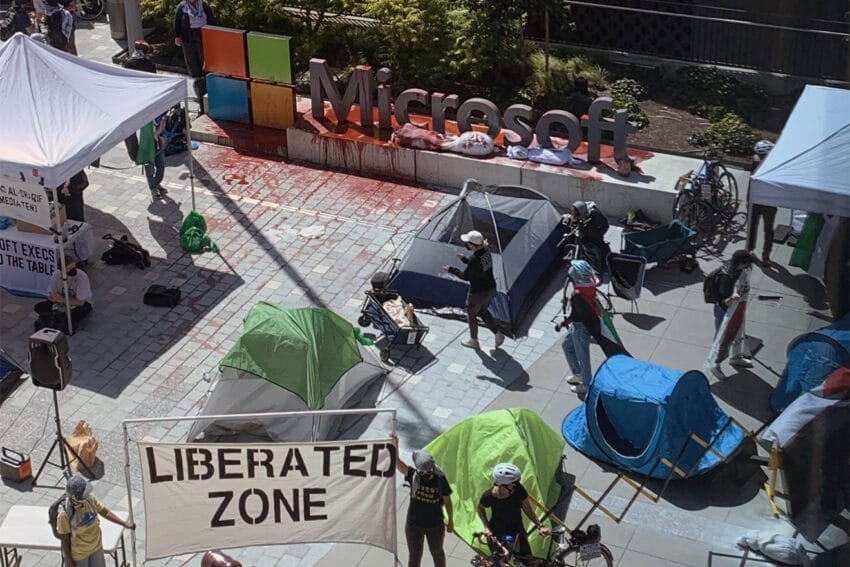
- Attempting to occupy public spaces at Microsoft’s headquarters.
- Setting up encampments and staging demonstrations that have resulted in arrests.
In one notable incident, protesters gained access to a Microsoft building and live-streamed themselves inside the office of Microsoft president Brad Smith. This act of civil disobedience was aimed at drawing attention to the perceived complicity of Microsoft in the Israeli government’s actions against Palestinians.
Details of the Firings
According to Hossam Nasr, an organizer with the No Azure for Apartheid group, the firings of Jaradat and Shan were directly linked to their participation in these protests. Jaradat had previously sent a mass email to her colleagues expressing her frustration with Microsoft’s treatment of Palestinian workers. In her email, she criticized the company’s internal restrictions on discussing issues related to Palestine and Gaza, stating that she was “fed up” with the situation.
The firings come on the heels of another incident where two other Microsoft employees were terminated for their involvement in a protest that escalated to the point of gaining unauthorized access to a corporate building. This pattern of firings raises questions about the company’s stance on employee activism and the limits of free speech within corporate environments.
Reactions from Microsoft
In response to the protests, Microsoft president Brad Smith held a press conference where he acknowledged the ongoing investigations into the potential misuse of Azure, Microsoft’s cloud computing platform, in Israel. Smith emphasized that the company is “working every day” to address these concerns. However, he also condemned the protesters’ methods, stating that their actions were “not ok.” This statement reflects the company’s attempt to balance its corporate interests with the ethical considerations raised by the protests.
Microsoft has not provided an official statement regarding the firings to The Verge, which adds another layer of complexity to the situation. The lack of transparency may lead to speculation about the company’s internal policies regarding employee activism and dissent.
Implications for Employee Activism
The firings of Jaradat and Shan highlight the potential risks employees face when engaging in activism, particularly within large corporations. While many companies espouse values of diversity and inclusion, the reality can be starkly different when employees challenge corporate policies or practices that they perceive as unethical.
This situation raises important questions about the boundaries of free speech in the workplace. Employees may feel compelled to speak out against practices they find objectionable, but the repercussions of such actions can be severe. The firings at Microsoft could serve as a cautionary tale for other employees considering similar forms of activism.
Broader Context of Corporate Responsibility
The protests against Microsoft are not occurring in isolation. They are part of a larger trend where technology companies are increasingly scrutinized for their roles in geopolitical conflicts. As technology becomes more intertwined with military operations, the ethical implications of corporate partnerships with governments are coming under greater scrutiny.
For instance, companies like Palantir and Amazon have faced backlash for their contracts with U.S. immigration enforcement and military agencies. The growing awareness of these issues has led to a rise in employee activism, as workers seek to hold their employers accountable for their actions.
Stakeholder Reactions
The reactions to the firings and the protests have been mixed. Supporters of the No Azure for Apartheid group have praised the employees for standing up against what they perceive as complicity in human rights violations. They argue that the firings represent a chilling effect on free speech and employee activism.
Conversely, some stakeholders argue that companies have the right to enforce their policies and maintain a certain corporate image. They contend that while employees should feel free to express their opinions, there are appropriate channels for doing so that do not involve disruptive protests or unauthorized access to corporate property.
Future of Employee Activism at Microsoft
The events surrounding the firings of Jaradat and Shan may set a precedent for how Microsoft and other corporations handle employee activism in the future. As more employees become aware of the ethical implications of their company’s actions, it is likely that we will see an increase in protests and calls for accountability.
Microsoft’s response to these challenges will be crucial in shaping its corporate culture and public image. The company may need to consider implementing clearer policies regarding employee activism and free speech, as well as providing avenues for employees to express their concerns without fear of retaliation.
Conclusion
The firings of Nisreen Jaradat and Julius Shan serve as a significant moment in the ongoing dialogue about corporate responsibility, employee activism, and free speech in the workplace. As technology companies continue to navigate complex geopolitical landscapes, the actions of their employees will likely play a critical role in shaping public perception and corporate policies.
As the situation evolves, it will be essential for stakeholders to engage in constructive dialogue about the ethical implications of corporate partnerships and the rights of employees to voice their concerns. The events at Microsoft may be a turning point in how corporations address these pressing issues.
Source: Original report
Further reading: related insights.
Further reading: related insights.
Further reading: related insights.
Was this helpful?
Explore more: More Big Tech & Platforms Tech News Blog
Last Modified: July 15, 2026 at 9:43 am
13 views