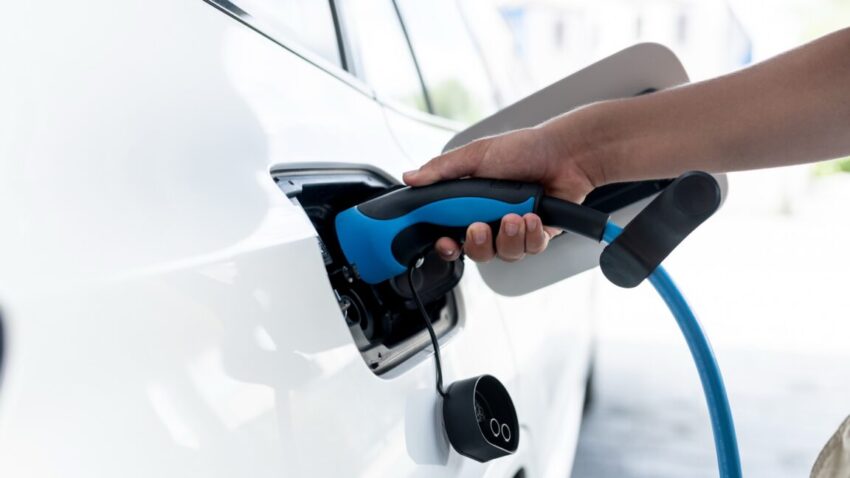
plug-in hybrids get plugged in more than Recent data challenges the common perception that plug-in hybrid electric vehicle (PHEV) owners rarely utilize their vehicles’ electric capabilities.
plug-in hybrids get plugged in more than
Understanding Plug-in Hybrid Electric Vehicles
Plug-in hybrid electric vehicles (PHEVs) are designed to combine the benefits of traditional gasoline engines with electric powertrains. This dual approach allows for flexibility in driving, catering to both short commutes and long-distance travel. A PHEV typically features a combustion engine, a fuel tank, an electric motor, and a battery that can be charged from an external power source. The intention behind this design is to provide drivers with the option of using electric power for daily driving while retaining the ability to switch to gasoline for longer trips.
The Appeal of PHEVs
PHEVs have gained popularity for several reasons:
- Reduced Emissions: By utilizing electric power for short trips, PHEVs can significantly lower greenhouse gas emissions compared to conventional vehicles.
- Fuel Efficiency: When the battery is charged, PHEVs can operate in electric mode, which is generally more efficient than running on gasoline.
- Flexibility: The combination of an electric motor and a gasoline engine means that drivers do not have to worry about range anxiety, a common concern for fully electric vehicles (EVs).
However, the effectiveness of PHEVs hinges on one critical factor: the owner’s willingness to plug in and charge the vehicle regularly.
Common Misconceptions About PHEV Usage
Despite the advantages, a prevailing narrative suggests that many PHEV owners do not take full advantage of their vehicles’ electric capabilities. Critics argue that these drivers are drawn to the larger batteries of PHEVs due to incentives, yet they fail to plug in, thereby missing out on the benefits of electric driving. This perspective raises several questions:
- Are PHEV owners truly neglecting to charge their vehicles?
- Is the battery size a deterrent rather than an advantage?
- Would parallel hybrids, which do not require plugging in, be a more suitable choice for these drivers?
These questions have fueled debates within the automotive community, leading to a closer examination of PHEV usage patterns.
The Data Speaks
Recent research has begun to dispel the myth that PHEV owners do not plug in. A notable source of this new data comes from Toyota, one of the leading manufacturers of PHEVs. Toyota’s findings suggest that PHEV drivers are more engaged with their vehicles’ electric capabilities than previously thought.
According to Toyota’s internal data, a significant percentage of PHEV owners regularly charge their vehicles. This contradicts the assumption that PHEV owners primarily rely on gasoline. The data indicates that many drivers utilize electric power for their daily commutes, taking advantage of the lower operating costs associated with electric driving.
Implications of Increased PHEV Charging
The implications of this newfound understanding of PHEV usage are multifaceted. If PHEV owners are indeed plugging in more frequently, it could lead to several significant outcomes:
- Environmental Benefits: Increased use of electric power can lead to a reduction in overall emissions, contributing to cleaner air and a smaller carbon footprint.
- Market Dynamics: A shift in consumer behavior could influence manufacturers to invest more in PHEV technology, leading to advancements in battery efficiency and charging infrastructure.
- Policy Adjustments: Policymakers may reconsider incentives and regulations surrounding PHEVs, recognizing their potential to contribute to sustainability goals.
Stakeholder Reactions
The automotive industry, environmental advocates, and policymakers have all responded to the new data regarding PHEV usage. Many industry experts express optimism about the findings, suggesting that they could pave the way for a more favorable view of PHEVs in the broader context of electric mobility.
Environmental organizations have also taken note of the data, emphasizing that if PHEV owners are charging their vehicles regularly, it could enhance the overall effectiveness of electric vehicle initiatives. This could lead to increased support for charging infrastructure development, making it easier for PHEV owners to access charging stations.
Challenges Ahead
Despite the positive implications of increased PHEV charging, challenges remain. One of the primary concerns is the availability of charging infrastructure. While many PHEV owners may be committed to plugging in, the lack of accessible charging stations can hinder their ability to do so. This is particularly true for those living in urban areas or regions where charging facilities are scarce.
Additionally, there is the issue of consumer education. Many potential PHEV buyers may not fully understand the benefits of charging their vehicles or how to effectively integrate electric driving into their daily routines. Manufacturers and advocates must work together to provide clear information and resources to help consumers maximize the advantages of PHEVs.
The Future of PHEVs
As the automotive landscape continues to evolve, the role of PHEVs remains a topic of discussion. With advancements in battery technology and charging infrastructure, PHEVs could become an increasingly viable option for consumers looking to reduce their carbon footprint without sacrificing convenience.
Furthermore, as more data emerges about PHEV usage patterns, manufacturers may be encouraged to refine their offerings. This could lead to the development of more efficient models that cater to the needs of consumers who are eager to embrace electric driving.
Conclusion
The narrative surrounding PHEV ownership is shifting. Recent data indicates that many PHEV drivers are indeed plugging in and utilizing their vehicles’ electric capabilities. This challenges the long-held belief that PHEV owners neglect to charge their vehicles, suggesting a more engaged and environmentally conscious consumer base than previously recognized.
As the automotive industry adapts to these findings, the potential for PHEVs to play a significant role in the transition to sustainable transportation becomes increasingly apparent. With continued advancements in technology and infrastructure, PHEVs may not only serve as a bridge to a more electric future but also as a key player in reducing emissions and promoting cleaner air.
Source: Original report
Was this helpful?
Explore more: More Hardware & Devices Tech News Blog
Last Modified: May 21, 2026 at 9:41 pm
15 views