meta is pausing its dream of sharing Meta has announced a significant shift in its strategy regarding the sharing of its Horizon OS with third-party headset manufacturers.
meta is pausing its dream of sharing
Overview of the Decision
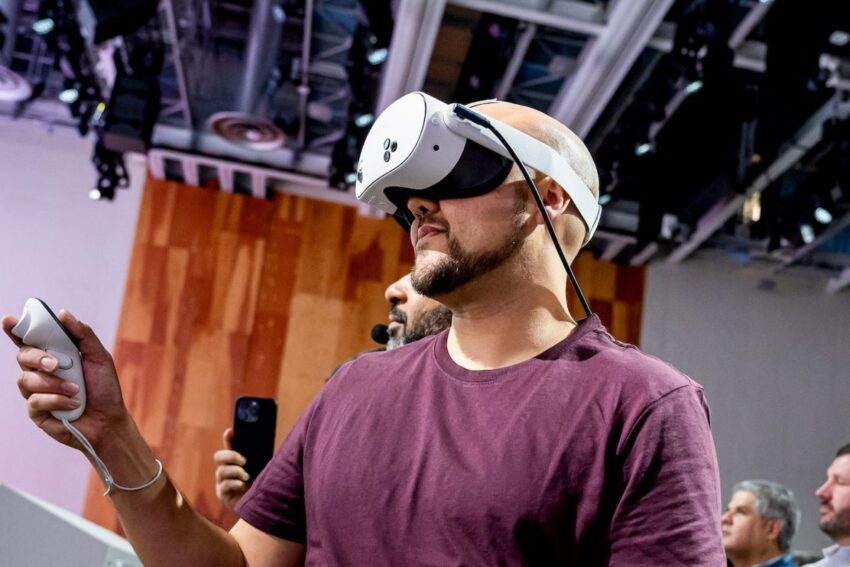
In a recent statement, Meta revealed that it is pausing its plans to share the Horizon OS, the operating system powering its Quest line of virtual reality (VR) headsets, with third-party headset makers. This decision comes as part of a broader reassessment of its approach to partnerships in the VR ecosystem. While the company has not ruled out future collaborations, it has indicated that it will revisit these opportunities at a later date.
Background on Horizon OS
Horizon OS is a proprietary operating system developed by Meta to enhance the user experience on its Quest VR headsets. Launched in 2019, the Quest series has gained substantial traction in the consumer VR market, offering users an immersive experience through a combination of hardware and software innovations. The operating system is designed to support a range of applications, from gaming to social interactions, and is integral to Meta’s vision of a connected virtual world.
Initial Plans for Third-Party Partnerships
Initially, Meta’s strategy included plans to open Horizon OS to third-party developers and manufacturers. This move was seen as a way to foster a more diverse ecosystem of VR devices, allowing other companies to build on Meta’s technology and create unique experiences for users. By sharing Horizon OS, Meta aimed to position itself as a leader in the VR space, encouraging innovation and competition among various headset makers.
Challenges Faced
However, the journey toward establishing these partnerships has not been without challenges. Several factors have contributed to Meta’s decision to pause its plans:
- Technical Compatibility: Ensuring that third-party headsets can seamlessly integrate with Horizon OS presents significant technical hurdles. Different hardware specifications and design philosophies can complicate the development process.
- Market Competition: The VR market is becoming increasingly competitive, with numerous companies vying for consumer attention. Meta’s decision to share its operating system could risk diluting its brand and market position.
- Quality Control: Maintaining a high standard of quality across various devices is crucial for user satisfaction. Allowing third-party manufacturers to use Horizon OS could lead to inconsistencies in performance and user experience.
Implications of the Decision
Meta’s pause on sharing Horizon OS has several implications for the company, the VR industry, and consumers.
Impact on Meta’s Strategy
This decision signals a shift in Meta’s approach to its VR ecosystem. By focusing on its proprietary technology, the company may aim to strengthen its control over the user experience and ensure that all devices meet its standards. This could lead to a more cohesive ecosystem but may also limit the diversity of experiences available to consumers.
Effects on Third-Party Developers
For third-party developers, this pause could be a setback. Many developers were likely looking forward to the opportunity to create applications and experiences that leverage Horizon OS. The lack of access to this operating system may hinder innovation and limit the potential for new VR experiences that could have emerged from collaborations with external partners.
Consumer Experience
From a consumer perspective, the decision may lead to a more consistent experience across Meta’s devices. However, it could also mean fewer options in terms of hardware and software diversity. Consumers may miss out on unique experiences that could have been developed by third-party manufacturers using Horizon OS.
Future Prospects
While Meta has paused its plans for third-party partnerships, the company has indicated that it is open to revisiting these opportunities in the future. This suggests that Meta is not entirely closing the door on collaboration but rather taking a more cautious approach.
Potential for Future Collaborations
Meta’s willingness to reconsider partnerships down the line may depend on several factors:
- Technological Advancements: As technology evolves, Meta may find new ways to facilitate compatibility between Horizon OS and third-party hardware.
- Market Dynamics: Changes in the competitive landscape may prompt Meta to reassess its strategy and explore partnerships that could enhance its market position.
- Consumer Demand: If consumers express a strong desire for more diverse VR experiences, Meta may feel compelled to revisit its approach to third-party collaborations.
Stakeholder Reactions
The reaction to Meta’s decision has been mixed among stakeholders in the VR industry. Some industry experts view the pause as a prudent move, allowing Meta to focus on refining its technology and ensuring a high-quality user experience. Others express concern that this decision could stifle innovation and limit the growth of the VR ecosystem.
Conclusion
Meta’s decision to pause its plans for sharing Horizon OS with third-party headset makers marks a pivotal moment in the company’s VR strategy. While this move may provide short-term benefits in terms of quality control and brand consistency, it also raises questions about the long-term implications for innovation and consumer choice in the VR market. As Meta re-evaluates its approach, the industry will be watching closely to see how this decision shapes the future of virtual reality.
Source: Original report
Was this helpful?
Explore more: More Hardware & Devices Tech News Blog
Last Modified: December 18, 2025 at 10:43 am
21 views