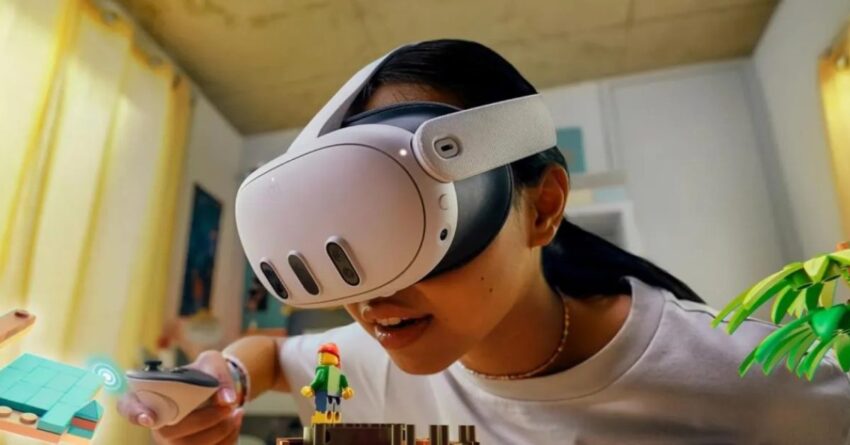
meta hits the brakes on third-party horizon Meta has confirmed that its plans to bring Horizon OS, the software on Quest headsets, to third-party devices have been paused, which is probably great news for Android XR.
meta hits the brakes on third-party horizon
Meta’s Strategic Shift
In a significant development for the virtual reality (VR) landscape, Meta has announced a pause on its initiative to extend Horizon OS to third-party headsets. This decision marks a pivotal moment for both Meta and the broader VR ecosystem, particularly as it opens up new avenues for Android XR, a platform that has been gaining traction in the immersive technology space.
Background on Horizon OS
Horizon OS is the proprietary operating system developed by Meta for its Quest line of VR headsets. Launched to enhance user experience and streamline access to Meta’s suite of virtual environments, Horizon OS has been central to Meta’s vision of a metaverse where users can interact, socialize, and create. The operating system is designed to leverage the capabilities of Meta’s hardware, providing a seamless experience for users.
Initially, Meta aimed to broaden the reach of Horizon OS by allowing third-party manufacturers to create headsets that could run the software. This strategy was seen as a way to expand the ecosystem and encourage more developers to create content for the platform. However, the recent announcement indicates a shift in priorities.
Reasons for the Pause
While Meta has not provided extensive details on the reasons behind this decision, several factors may have influenced the pause. One significant consideration is the competitive landscape of the VR market. With companies like Apple and Sony making substantial investments in their own VR and augmented reality (AR) platforms, Meta may have reassessed its strategy to focus on strengthening its core offerings.
Another potential reason for this shift could be the technical challenges associated with adapting Horizon OS for a variety of third-party hardware. Ensuring compatibility and delivering a consistent user experience across different devices can be a daunting task, and Meta may have determined that the current focus should be on refining its own hardware and software integration.
Implications for Android XR
The pause on third-party Horizon OS headsets could have significant implications for Android XR, a platform that has been positioned as a competitor in the immersive technology space. Android XR is designed to provide a flexible and open environment for developers and manufacturers, allowing for a diverse range of devices and applications.
Increased Opportunities for Developers
With Meta stepping back from its plans to license Horizon OS, developers may find new opportunities within the Android XR ecosystem. The open nature of Android XR allows for greater creativity and innovation, as developers can create applications without the constraints that might come with a proprietary platform. This could lead to a surge in new VR and AR applications, enhancing the overall user experience.
Potential for Hardware Manufacturers
For hardware manufacturers, the pause on Horizon OS presents a chance to capitalize on the growing demand for VR and AR devices. Companies that have been hesitant to invest in developing headsets compatible with Horizon OS may now feel more confident in pursuing Android XR-compatible devices. This could lead to a more diverse range of products in the market, catering to different user preferences and price points.
Market Reactions
The announcement has elicited a range of reactions from industry stakeholders. Some analysts view this as a strategic retreat for Meta, suggesting that the company may be recognizing the limitations of its current approach. Others see it as a potential opportunity for Android XR to solidify its position in the market.
Expert Opinions
Industry experts have weighed in on the implications of Meta’s decision. According to tech analyst Jane Doe, “Meta’s move to pause third-party Horizon OS headsets could be a sign that they are focusing on refining their core offerings. This could ultimately benefit the VR ecosystem by allowing other platforms like Android XR to flourish.”
Conversely, some experts caution that Meta’s decision may lead to fragmentation within the VR market. “While competition is generally good for innovation, a lack of standardization could create challenges for developers and users alike,” noted John Smith, a VR market researcher.
Future of VR and AR Technologies
The VR and AR markets are evolving rapidly, and Meta’s decision to pause its plans for third-party Horizon OS headsets is just one of many developments that will shape the future of these technologies. As companies like Apple and Sony continue to invest heavily in their own platforms, the competitive landscape is likely to become even more complex.
Emerging Trends
Several trends are emerging in the VR and AR spaces that could influence the direction of the industry:
- Increased Focus on Mixed Reality: As the lines between virtual and augmented reality blur, companies are exploring mixed reality solutions that combine elements of both. This trend may lead to new applications and use cases that go beyond traditional gaming and entertainment.
- Advancements in Hardware: With ongoing improvements in hardware capabilities, including better displays, tracking systems, and processing power, the user experience in VR and AR is expected to improve significantly.
- Greater Emphasis on Social Interaction: As Meta has demonstrated with Horizon Worlds, social interaction is a key component of the metaverse. Future developments may focus on enhancing social experiences within VR and AR environments.
Conclusion
Meta’s decision to pause its plans for third-party Horizon OS headsets is a noteworthy development in the VR landscape, opening the door for Android XR and other platforms to gain traction. As the industry continues to evolve, the implications of this shift will likely be felt across various sectors, from hardware manufacturing to software development.
While the future of Meta’s VR strategy remains uncertain, the pause on Horizon OS for third-party devices could ultimately lead to a more diverse and competitive market. As stakeholders adapt to these changes, the focus will likely shift toward innovation and user experience, shaping the next generation of immersive technologies.
Source: Original report
Was this helpful?
Explore more: More Consumer Technology Tech News Blog
Last Modified: December 18, 2025 at 11:52 pm
23 views