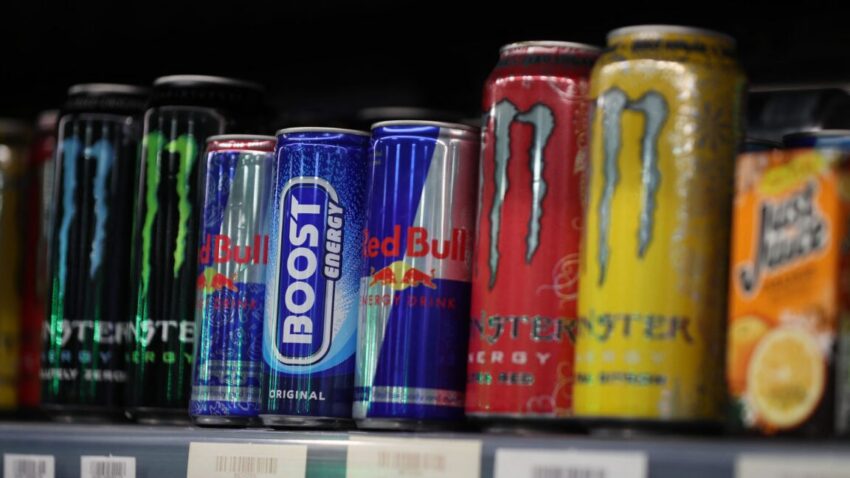
man shocks doctors with extreme blood pressure A man in the UK experienced a severe health crisis linked to excessive consumption of energy drinks, resulting in extreme blood pressure levels and a mild stroke.
man shocks doctors with extreme blood pressure
Case Overview
A recent case report published in BMJ Case Reports details the alarming health incident of a man in his 50s, who was otherwise healthy prior to this event. The patient presented at a hospital with sudden numbness on the entire left side of his body, accompanied by clumsy and uncoordinated muscle movements, a condition known as ataxia. Upon examination, his blood pressure was recorded at an astonishing 254/150 mm Hg, a figure that far exceeds the normal range of under 120/80 mm Hg. Medical professionals categorize any reading above 180/120 mm Hg as a hypertensive crisis, which is a serious medical emergency.
Understanding Blood Pressure
Blood pressure is a critical indicator of cardiovascular health, representing the force of blood against the walls of the arteries. It is measured in millimeters of mercury (mm Hg) and is expressed with two numbers: systolic (the pressure during heartbeats) and diastolic (the pressure between heartbeats). Normal blood pressure is generally considered to be below 120/80 mm Hg. Readings above this threshold can indicate various stages of hypertension, which can lead to serious health complications, including heart disease, kidney damage, and strokes.
Hypertensive Crisis
A hypertensive crisis, defined as a blood pressure reading exceeding 180/120 mm Hg, can manifest in two forms: hypertensive urgency and hypertensive emergency. In this case, the man’s condition was classified as a hypertensive emergency due to the presence of acute symptoms, including the mild stroke. Such emergencies require immediate medical intervention to prevent further complications, including organ damage or more severe strokes.
Energy Drinks and Their Risks
Energy drinks have gained immense popularity over the past two decades, particularly among younger demographics and those seeking a quick boost in energy and alertness. These beverages typically contain high levels of caffeine, sugar, and other stimulants such as taurine and guarana. While they can provide a temporary increase in energy, excessive consumption can lead to serious health issues.
Caffeine Content
The caffeine content in energy drinks can vary significantly, with some brands containing as much as 500 mg per serving. For comparison, an 8-ounce cup of coffee contains approximately 95 mg of caffeine. The recommended daily limit for caffeine consumption is generally around 400 mg for most adults, but this can vary based on individual health conditions and sensitivities.
Potential Health Implications
Excessive intake of caffeine and other stimulants can lead to a range of health problems, including:
- Increased heart rate (tachycardia)
- Elevated blood pressure
- Insomnia and sleep disturbances
- Increased anxiety and restlessness
- Gastrointestinal issues
In some cases, particularly among individuals with pre-existing health conditions, the consumption of energy drinks can trigger severe cardiovascular events, including strokes and heart attacks.
The Patient’s Background
According to the case report authored by Martha Coyle and Sunil Munshi from Nottingham University Hospital, the patient had no significant medical history prior to this incident. He was not known to have hypertension or any other chronic health issues. This lack of prior health problems made the sudden spike in blood pressure and subsequent stroke particularly alarming for medical professionals.
Consumption Patterns
While the case report does not provide specific details regarding the patient’s consumption patterns, it is widely recognized that individuals who consume energy drinks often do so in high quantities, sometimes mixing them with alcohol or other stimulants. This combination can exacerbate the negative effects on cardiovascular health. In recent years, there have been increasing calls for regulation of energy drinks, particularly concerning their marketing to younger audiences.
Medical Response and Treatment
Upon arrival at the hospital, the medical team quickly initiated treatment to manage the patient’s extremely high blood pressure. This typically involves the administration of antihypertensive medications, which help to lower blood pressure and minimize the risk of further complications. In cases of hypertensive emergencies, intravenous medications may be used to achieve rapid control of blood pressure.
Post-Stroke Care
Following the initial treatment for high blood pressure, the patient would have been monitored closely for any signs of complications stemming from the mild stroke. This includes assessing neurological function and ensuring that there is no further risk of stroke or other cardiovascular events. Rehabilitation may also be necessary to address any lingering effects from the stroke, particularly in terms of coordination and muscle control.
Broader Implications for Public Health
This case serves as a stark reminder of the potential dangers associated with energy drink consumption, particularly when taken in excess. Public health officials and medical professionals are increasingly concerned about the rising popularity of these beverages, especially among adolescents and young adults. The combination of high caffeine content, sugar, and other stimulants can pose significant risks, particularly for those with underlying health conditions.
Regulatory Considerations
In light of such incidents, there have been discussions regarding the need for stricter regulations on energy drinks. Some countries have already implemented measures such as age restrictions, labeling requirements, and limits on caffeine content. Advocates for public health argue that more comprehensive regulations are necessary to protect consumers, particularly vulnerable populations such as children and adolescents.
Consumer Awareness
In addition to regulatory measures, increasing consumer awareness about the potential risks of energy drinks is crucial. Education campaigns can help inform the public about the dangers of excessive consumption and encourage healthier alternatives for energy and alertness. This includes promoting adequate sleep, balanced nutrition, and regular physical activity as safer ways to maintain energy levels.
Conclusion
The case of the man in the UK highlights the serious health risks associated with excessive energy drink consumption. With blood pressure levels reaching dangerously high levels and resulting in a mild stroke, this incident underscores the importance of understanding the potential consequences of these beverages. As energy drinks continue to be a popular choice for quick energy boosts, it is essential for consumers to be informed about their risks and for public health officials to consider appropriate regulatory measures.
Source: Original report
Was this helpful?
Explore more: More General Technology Tech News Blog
Last Modified: December 13, 2025 at 1:40 am
20 views