live updates in google maps on android — Google Maps is set to enhance its functionality with the introduction of Live Updates, a feature that promises to revolutionize how users interact with real-time notifications on Android 16..
Google Maps is set to enhance its functionality with the introduction of Live Updates, a feature that promises to revolutionize how users interact with real-time notifications on Android 16.
live updates in google maps on android
Overview of Android 16 and Live Updates
live updates in google maps on android: key context and updates inside.
Android 16, the latest iteration of Google’s mobile operating system, has garnered attention for its innovative features, particularly the introduction of Live Updates. This feature is designed to streamline the way users receive real-time notifications from various applications, including food delivery services, flight trackers, and more. Live Updates aims to provide timely information directly to users, enhancing their overall experience and ensuring they stay informed without the need to constantly check individual apps.
Current State of Live Updates Implementation
As of now, the implementation of Live Updates in Android 16 is still in its early stages. The current build of Android 16 has only partially integrated this feature, with significant enhancements expected in the upcoming quarterly platform release (QPR). This QPR is anticipated to introduce support for status bar chips and the Always-On Display, which will allow users to view notifications more conveniently and efficiently.
Despite the promise of Live Updates, the support from applications remains limited. Many of Google’s own applications have yet to fully incorporate this feature, which raises questions about its immediate usability and effectiveness. As users await broader app support, the anticipation surrounding Live Updates continues to build.
Implications of Live Updates for Users
The introduction of Live Updates is expected to have several implications for users, particularly in how they interact with their devices and the applications they rely on daily. Here are some key areas where Live Updates could make a significant impact:
- Enhanced User Experience: By providing real-time notifications directly on the status bar or Always-On Display, users will have quicker access to important information without needing to navigate through multiple apps. This could lead to a more seamless experience, especially for those who rely on timely updates.
- Increased Efficiency: Users will be able to manage their time more effectively. For instance, receiving live updates on food delivery status or flight changes can help users make informed decisions without unnecessary delays.
- Greater Engagement with Apps: As more applications adopt Live Updates, users may find themselves engaging with apps more frequently. This could potentially lead to increased usage and reliance on certain services, benefiting both users and developers.
Potential Challenges and Limitations
While the benefits of Live Updates are clear, there are also potential challenges and limitations that may arise as this feature becomes more widely adopted. Understanding these challenges is crucial for both users and developers.
Limited App Support
One of the most significant challenges facing Live Updates is the current lack of support from various applications. Many popular apps, including several from Google, have not yet integrated this feature. This limitation could hinder the overall effectiveness of Live Updates, as users may find themselves unable to take full advantage of the functionality.
Privacy Concerns
Another potential challenge is the privacy implications associated with real-time notifications. Users may have concerns about how their data is being used and whether their information is being shared with third parties. Google will need to address these concerns transparently to build trust among users and ensure that they feel comfortable utilizing Live Updates.
Battery Life Considerations
Real-time notifications can also have an impact on battery life. Continuous updates may lead to increased battery consumption, which could be a concern for users who rely on their devices throughout the day. Developers will need to optimize the implementation of Live Updates to minimize battery drain while still providing timely information.
Google Maps and Live Updates Integration
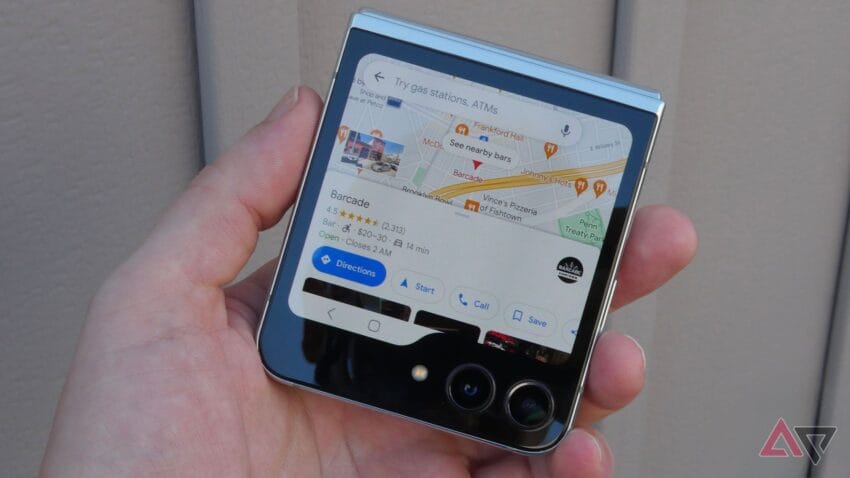
Recent developments indicate that Google is actively testing the integration of Live Updates within Google Maps. This integration could mark a significant milestone in the feature’s rollout, as Google Maps is one of the most widely used applications on Android devices. The potential for real-time updates regarding traffic conditions, estimated arrival times, and other location-based information could greatly enhance the utility of Google Maps.
Expected Features of Live Updates in Google Maps
While specific details about the integration of Live Updates in Google Maps are still emerging, several expected features could transform how users interact with the app:
- Real-Time Traffic Updates: Users may receive live notifications about traffic conditions, accidents, or road closures, allowing them to adjust their routes accordingly.
- Dynamic ETA Adjustments: Google Maps could provide real-time updates on estimated arrival times based on current traffic conditions, helping users plan their journeys more effectively.
- Location-Based Notifications: Users may receive alerts about nearby points of interest, events, or promotions as they navigate through different areas.
Stakeholder Reactions
The anticipation surrounding Live Updates in Google Maps has elicited a range of reactions from stakeholders, including users, developers, and industry analysts. Understanding these perspectives can provide valuable insights into the potential impact of this feature.
User Feedback
Many users have expressed enthusiasm about the prospect of Live Updates, particularly in the context of Google Maps. The ability to receive real-time information while navigating could significantly enhance their experience. However, some users have also voiced concerns about the current limitations in app support and the potential for privacy issues.
Developer Perspectives
Developers are keenly aware of the opportunities that Live Updates present. The feature could drive increased engagement with their applications, but they also recognize the challenges associated with implementation. Developers will need to ensure that their apps are optimized for Live Updates to provide a seamless experience for users.
Industry Analysts
Industry analysts have noted that the successful implementation of Live Updates could position Google as a leader in real-time notification technology. As other companies look to enhance their own applications, Google’s advancements in this area could set a new standard for user engagement and experience.
The Future of Live Updates
As Google continues to refine the implementation of Live Updates in Android 16 and Google Maps, the future of this feature appears promising. With the potential for widespread adoption across various applications, Live Updates could fundamentally change how users interact with their devices and the information they receive.
In the coming months, users can expect to see further developments as Google rolls out updates and expands support for Live Updates across its ecosystem. The integration of this feature into Google Maps is particularly noteworthy, as it could serve as a catalyst for broader adoption across other applications.
Conclusion
The introduction of Live Updates in Android 16 represents a significant advancement in how users receive real-time information. While the current implementation is still in its early stages, the potential benefits for users, particularly in the context of Google Maps, are substantial. As Google works to enhance app support and address potential challenges, the future of Live Updates looks bright, promising a more connected and informed user experience.
Source: Original report
Further reading: related insights.
Further reading: related insights.
Further reading: related insights.
Was this helpful?
Explore more: Mobile App Development More Mobile Technology Tech News
Last Modified: July 15, 2026 at 9:30 am
11 views