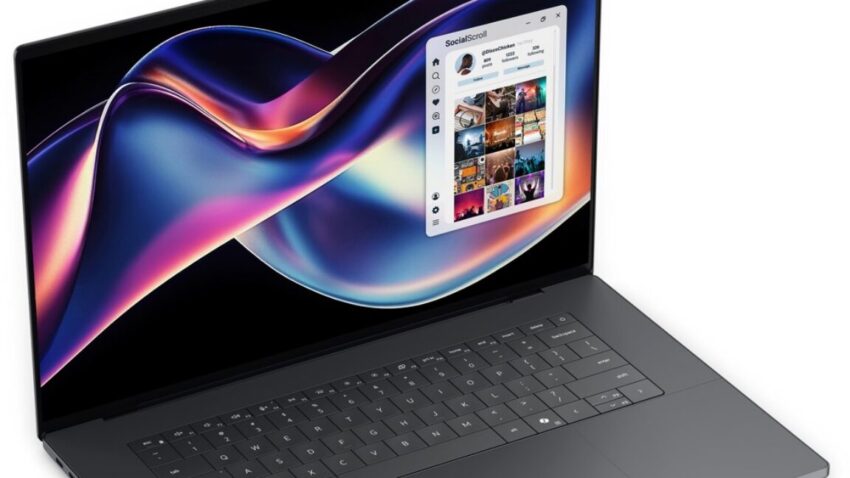
lg display starts mass-producing ltpo-like 1 hz LG Display has announced the mass production of innovative laptop screens that can dynamically adjust their refresh rates from 1 Hz to 120 Hz, a development aimed at enhancing battery life and user experience.
lg display starts mass-producing ltpo-like 1 hz
Overview of the New Technology
In a significant advancement for laptop display technology, LG Display has introduced its Oxide 1Hz LCD screens, which are designed to automatically adjust their refresh rates based on the content being displayed. This capability allows the screens to operate at a minimal refresh rate of 1 Hz when static images are present, such as when reading emails or documents, and to switch to a maximum of 120 Hz for more dynamic content, like gaming or video streaming.
Technical Specifications
LG Display’s announcement highlights several key features of the new screens:
- Dynamic Refresh Rate: The ability to switch between 1 Hz and 120 Hz refresh rates allows for optimized performance based on user needs.
- Power Efficiency: By utilizing a lower refresh rate for static images, the screens are expected to significantly reduce power consumption, thereby extending battery life.
- Proprietary Technology: LG has developed unique circuit algorithms and panel design technologies, along with new materials that minimize power leakage during low-refresh-rate operation.
This innovative approach to display technology is particularly relevant in an era where battery life is a critical consideration for laptop users. As laptops become increasingly central to both work and leisure activities, the demand for longer-lasting devices continues to grow.
Implications for Battery Life
The primary advantage of LG Display’s new screens lies in their potential to enhance battery life. Traditional laptop displays often operate at a fixed refresh rate, which can lead to unnecessary power consumption, especially when displaying static content. By contrast, LG’s Oxide 1Hz technology allows for a more tailored approach:
- Static Content: When users are engaged in activities that involve primarily still images, such as reading or browsing, the display can operate at 1 Hz, significantly reducing power draw.
- Dynamic Content: For activities that require higher refresh rates, such as gaming or watching videos, the display can ramp up to 120 Hz, providing a smoother visual experience.
This capability could lead to laptops that last longer on a single charge, addressing a common pain point for users who rely on their devices for extended periods without access to power outlets.
Market Context and Competition
LG Display’s announcement comes at a time when the laptop market is increasingly competitive, with manufacturers striving to differentiate their products through innovative features. The introduction of LTPO-like technology in LCD displays positions LG as a leader in this space, particularly as it is the first company to mass-produce such screens.
Other display manufacturers, such as Samsung and BOE, are also exploring similar technologies. However, LG’s early entry into mass production may provide it with a competitive edge. The ability to offer laptops with longer battery life and improved display performance could attract consumers who prioritize these features.
Potential Applications
The versatility of LG’s new screens opens up a range of potential applications across various sectors:
- Business Use: Professionals who spend long hours on their laptops will benefit from the extended battery life, making it easier to work remotely or during travel.
- Gaming: Gamers will appreciate the high refresh rate for a smoother gaming experience, particularly in fast-paced titles.
- Content Consumption: Users who frequently stream videos or engage with multimedia content will enjoy the benefits of both low power consumption and high refresh rates.
Stakeholder Reactions
Reactions from industry stakeholders have been largely positive. Analysts and technology experts have praised LG Display’s innovation, noting that it addresses two critical consumer demands: improved battery life and enhanced display performance. As laptops continue to evolve, the integration of such technologies is seen as a natural progression.
Manufacturers who partner with LG Display may also benefit from this technology, as it allows them to offer products that stand out in a crowded market. The potential for longer battery life could be a key selling point in marketing campaigns, appealing to environmentally conscious consumers as well.
Challenges Ahead
Despite the promising outlook, LG Display may face several challenges as it rolls out its new technology:
- Consumer Awareness: Educating consumers about the benefits of dynamic refresh rates and how they can enhance user experience will be crucial for adoption.
- Integration with Existing Systems: Manufacturers will need to ensure that their laptops can effectively utilize the new display technology without compatibility issues.
- Price Point: Depending on the cost of production, there may be concerns about how this technology will affect the pricing of laptops equipped with these displays.
Future Prospects
Looking ahead, the introduction of LTPO-like 1 Hz LCD displays could pave the way for further innovations in display technology. As LG Display continues to refine its proprietary algorithms and materials, there may be opportunities to enhance performance even further, potentially leading to even lower power consumption rates or higher refresh rates.
Moreover, as the demand for portable devices continues to rise, the integration of advanced display technologies will likely become a standard feature in future laptops. This could lead to a broader trend where manufacturers prioritize energy-efficient technologies, aligning with global sustainability goals.
Conclusion
LG Display’s mass production of LTPO-like 1 Hz LCD displays marks a significant milestone in laptop technology, offering users the promise of enhanced battery life and improved performance. As the company leads the way in this innovative approach, it sets a new standard for what consumers can expect from their devices. The implications for the laptop market are profound, as manufacturers and consumers alike begin to recognize the benefits of dynamic refresh rates in everyday use.
Source: Original report
Was this helpful?
Explore more: More Hardware & Devices Tech News Blog
Last Modified: March 24, 2026 at 2:36 am
26 views