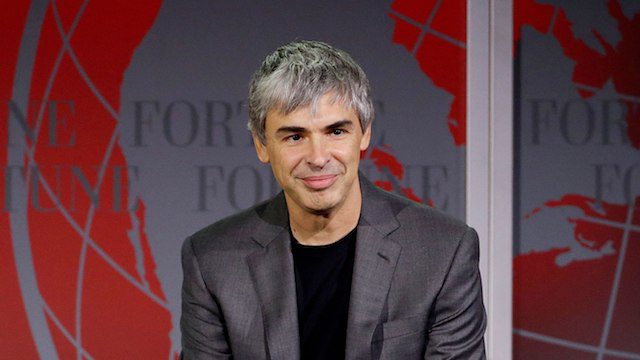
larry page loosens business ties to ca Larry Page is reportedly moving assets out of California over concern the state will vote in a tax on billionaires.
larry page loosens business ties to ca
Background on the Proposed Wealth Tax
California has long been a hub for innovation and wealth, attracting some of the brightest minds and richest individuals in the world. However, the state’s financial landscape is undergoing significant changes, particularly with the introduction of a proposed wealth tax aimed at billionaires. This tax, which has been a topic of heated debate, seeks to impose a levy on individuals with a net worth exceeding a specified threshold. Proponents argue that the tax is necessary to address income inequality and fund essential public services, while critics contend that it could drive wealthy individuals and businesses out of the state.
The proposed wealth tax has been framed as a solution to California’s ongoing budgetary challenges, which have been exacerbated by the COVID-19 pandemic. As the state grapples with rising costs in healthcare, education, and infrastructure, the wealth tax is seen as a potential revenue stream that could alleviate some of these financial pressures. However, the implications of such a tax extend beyond mere economics, raising questions about the future of California as a business-friendly environment.
Larry Page’s Response to the Proposed Tax
In light of the proposed wealth tax, Larry Page, co-founder of Google and one of the wealthiest individuals in the world, is reportedly taking steps to distance himself from California’s business landscape. Sources indicate that Page is moving assets out of the state, a strategic decision that reflects his concerns about the potential financial burden the tax could impose on billionaires.
Page’s actions are particularly noteworthy given his significant contributions to California’s economy. As a key figure in the tech industry, his decisions carry weight and could influence other wealthy individuals and entrepreneurs. By loosening his business ties to California, Page may be sending a signal to other billionaires that the proposed tax could lead to a mass exodus of wealth from the state.
The Implications of Page’s Decision
The implications of Larry Page’s decision to move assets out of California are multifaceted. Firstly, it raises questions about the long-term viability of California as a destination for high-net-worth individuals and businesses. If more billionaires follow Page’s lead, the state could face a significant decline in tax revenue, which would further exacerbate its budgetary challenges.
Moreover, Page’s actions could set a precedent for other wealthy individuals who may be considering similar moves. The tech industry has already seen a trend of high-profile figures relocating to states with more favorable tax environments, such as Texas and Florida. These states have positioned themselves as attractive alternatives to California, offering lower tax rates and a lower cost of living. If the proposed wealth tax is enacted, it could accelerate this trend, leading to a further erosion of California’s status as a tech capital.
Stakeholder Reactions
The proposed wealth tax has elicited a range of reactions from various stakeholders, including policymakers, business leaders, and the general public. Supporters of the tax argue that it is a necessary step toward addressing income inequality and ensuring that the wealthiest individuals contribute their fair share to society. They contend that the revenue generated from the tax could be used to fund critical services such as education, healthcare, and infrastructure improvements.
On the other hand, critics of the tax, including many business leaders and economists, warn that it could have detrimental effects on the state’s economy. They argue that imposing a wealth tax could lead to capital flight, as wealthy individuals seek to relocate to more tax-friendly jurisdictions. This could result in a loss of jobs, investment, and innovation in California, ultimately harming the very communities that the tax is intended to benefit.
Political Landscape and Future Considerations
The political landscape surrounding the proposed wealth tax is complex and evolving. As California lawmakers consider the implications of such a tax, they must weigh the potential benefits against the risks of driving away high-net-worth individuals and businesses. The upcoming elections may play a crucial role in determining the fate of the wealth tax, as candidates position themselves on either side of the issue.
Public opinion on the wealth tax is also divided. While some Californians support the idea of taxing billionaires to fund public services, others express concern about the potential consequences for the state’s economy. As discussions continue, it will be essential for policymakers to engage with constituents and consider the broader implications of their decisions.
Potential Alternatives to the Wealth Tax
As the debate over the proposed wealth tax unfolds, some stakeholders are advocating for alternative solutions to address California’s budgetary challenges. These alternatives may include reforms to existing tax structures, increased funding for public services through other means, or targeted investments in key areas such as education and infrastructure.
One potential alternative is to focus on closing tax loopholes and ensuring that all individuals and corporations pay their fair share. By addressing issues related to tax evasion and avoidance, California could potentially increase its revenue without imposing a new wealth tax. Additionally, investing in economic development initiatives could help stimulate job creation and attract new businesses to the state, ultimately bolstering its tax base.
Conclusion
Larry Page’s decision to loosen his business ties to California amid the proposed wealth tax highlights the growing concerns among billionaires regarding the state’s financial landscape. As the debate over the wealth tax continues, the implications for California’s economy and its status as a business hub remain uncertain. Stakeholders must carefully consider the potential consequences of such a tax and explore alternative solutions to address the state’s budgetary challenges.
Ultimately, the future of California’s economy may depend on the ability of lawmakers to strike a balance between generating revenue and maintaining an attractive environment for businesses and high-net-worth individuals. As the situation evolves, it will be crucial for all parties involved to engage in constructive dialogue and work toward solutions that benefit both the state and its residents.
Source: Original report
Was this helpful?
Explore more: More Business & Startups Tech News Blog
Last Modified: January 8, 2026 at 10:43 am
17 views