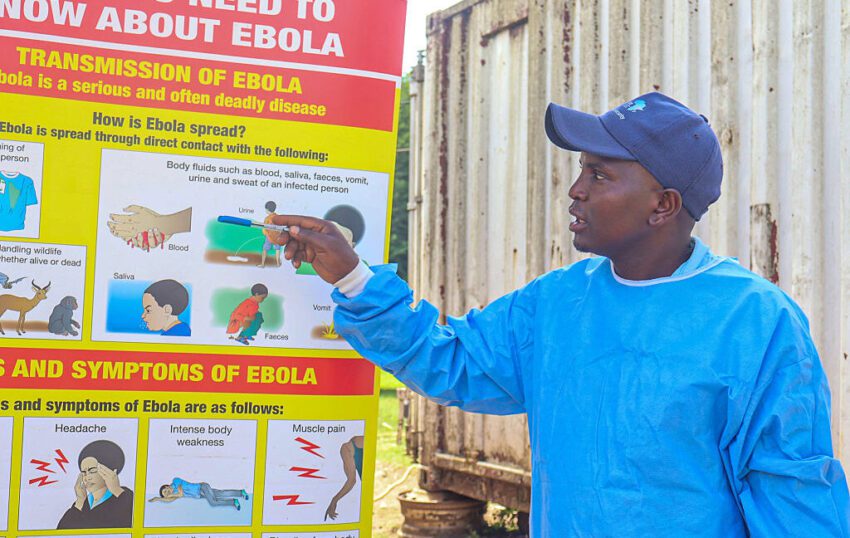
kenyan court blocks trump admin from dumping The Kenyan judiciary has intervened to halt the Trump administration’s controversial plan to relocate Americans exposed to Ebola to a makeshift facility in Kenya amid an ongoing outbreak in the Democratic Republic of the Congo.
kenyan court blocks trump admin from dumping
Background on the Ebola Outbreak
The Democratic Republic of the Congo (DRC) has been grappling with recurrent outbreaks of Ebola, a severe and often fatal disease caused by the Ebola virus. The most recent outbreak, which began in 2021, has raised significant public health concerns both locally and internationally. Ebola is transmitted through direct contact with bodily fluids of infected individuals, making it highly contagious and dangerous, particularly in healthcare settings.
As the DRC continues to battle this outbreak, the U.S. government has faced criticism for its handling of American citizens who may have been exposed to the virus. The Trump administration’s decision to avoid repatriation and instead propose a quarantine solution in Kenya has sparked a heated debate about the ethical implications of such a move.
The Proposed Quarantine Facility in Kenya
In a bid to manage the situation, the Trump administration announced plans to establish a quarantine and treatment facility in Laikipia, Kenya, approximately 120 miles north of Nairobi. This facility was intended to serve as a temporary solution for U.S. citizens who had been exposed to Ebola in the DRC. The initial proposal included the construction of a 50-bed quarantine facility, which was expected to be operational by May 29, 2026.
The facility was to be located near a U.S. air base, which would facilitate the transportation of individuals to and from the site. The plan also included a second phase, where isolation and biocontainment units would be established to house Americans who contracted the virus. This approach was seen as a way to minimize the risk of spreading the virus within the United States while providing care to those affected.
Legal Challenges and Public Response
However, the plan faced immediate legal challenges. The Katiba Institute, an organization dedicated to advocating for constitutional rights in Kenya, filed a petition on Thursday to block the establishment of the quarantine facility. The institute argued that the plan was not only unconstitutional but also posed significant risks to the health and safety of Kenyans.
The petition raised concerns about the adequacy of the proposed facility, the potential for an outbreak in Kenya, and the lack of transparency surrounding the U.S. government’s intentions. The legal action taken by the Katiba Institute reflects broader public sentiment in Kenya, where many citizens are wary of the implications of hosting a facility designed to treat individuals exposed to a deadly virus.
Government and Stakeholder Reactions
The response from various stakeholders has been mixed. U.S. officials have expressed frustration over the legal hurdles, emphasizing the need for a swift response to protect American citizens. They argue that the quarantine facility in Kenya would serve as a necessary precaution to prevent the spread of Ebola within the United States.
On the other hand, Kenyan officials and public health experts have raised alarms about the potential consequences of such a facility. Concerns have been voiced regarding the adequacy of Kenya’s healthcare infrastructure to handle an influx of Ebola patients and the risk of a local outbreak. The Kenyan government has been under pressure to prioritize the health and safety of its citizens, leading to a cautious approach in dealing with the U.S. proposal.
International Implications
The situation has broader implications for international relations and public health policy. The Trump administration’s decision to seek a quarantine facility in Kenya raises questions about the responsibilities of countries in managing global health crises. It also highlights the complexities of repatriating citizens during outbreaks of infectious diseases.
Countries around the world are continually grappling with the challenges posed by infectious diseases, and the response to the Ebola outbreak in the DRC is no exception. The reluctance of the Trump administration to repatriate exposed Americans reflects a growing trend among nations to prioritize domestic safety over international obligations.
Alternatives and Future Considerations
As the legal battle unfolds, U.S. officials are reportedly scrambling to identify alternative countries that might be willing to accept the exposed Americans. This search for alternatives underscores the urgency of the situation and the complexities involved in managing public health crises on a global scale.
One potential alternative could involve collaborating with international health organizations, such as the World Health Organization (WHO), to establish a coordinated response to the outbreak. This approach could facilitate the safe repatriation of U.S. citizens while ensuring that local health systems are not overwhelmed.
Additionally, the U.S. government may need to reevaluate its strategy for handling citizens exposed to infectious diseases. Investing in specialized facilities within the United States that are equipped to handle such cases could provide a more effective and ethical solution in the long run.
Public Health Preparedness
The ongoing situation serves as a reminder of the importance of public health preparedness in the face of infectious disease outbreaks. Governments worldwide must prioritize the establishment of robust healthcare systems capable of responding to emergencies. This includes not only the physical infrastructure but also the legal frameworks necessary to navigate complex situations involving international health crises.
Furthermore, public education campaigns are essential to inform citizens about the risks associated with infectious diseases and the measures being taken to protect public health. Transparency in government actions and decisions can help build trust and cooperation among citizens, especially during times of crisis.
Conclusion
The Kenyan court’s decision to block the Trump administration’s plan to establish a quarantine facility for Ebola-exposed Americans highlights the intricate balance between public health and legal rights. As the situation continues to evolve, it remains to be seen how the U.S. government will navigate the challenges posed by the ongoing Ebola outbreak in the DRC and the legal hurdles in Kenya.
Ultimately, the response to this crisis will have lasting implications for international public health policy and the responsibilities of nations in managing global health threats. The need for collaboration, transparency, and preparedness has never been more evident as the world grapples with the realities of infectious disease outbreaks.
Source: Original report
Was this helpful?
Explore more: More General Technology Tech News Blog
Last Modified: May 30, 2026 at 2:36 am
7 views