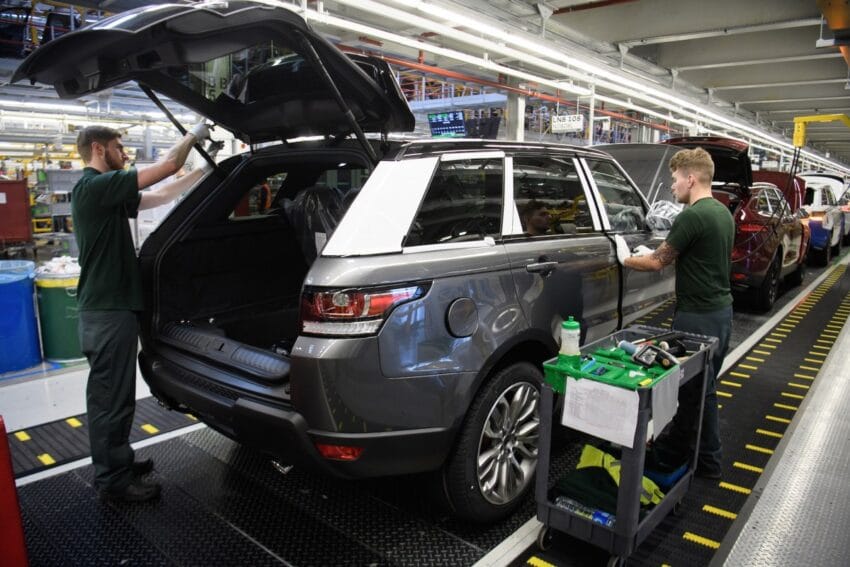
jaguar land rover says data stolen in Jaguar Land Rover has confirmed that a significant cyberattack has led to the theft of sensitive data and disrupted its vehicle assembly operations.
jaguar land rover says data stolen in
Overview of the Cyberattack
The cyberattack on Jaguar Land Rover commenced on September 2, 2025, and has had a profound impact on the company’s operations. Reports indicate that the attack has brought vehicle assembly lines to a complete halt, affecting production schedules and potentially delaying deliveries to customers. The company has not disclosed the specific nature of the attack or the type of data that was compromised, but it has acknowledged that sensitive information was stolen.
Immediate Consequences
The immediate fallout from the cyberattack has been significant. With assembly lines halted, Jaguar Land Rover faces the daunting task of not only recovering from the attack but also managing the repercussions of delayed production. The company’s ability to meet customer demand is now in jeopardy, which could lead to a loss of consumer trust and a potential decline in sales.
Industry analysts have noted that the automotive sector is particularly vulnerable to cyberattacks due to its increasing reliance on connected technologies and digital systems. As vehicles become more integrated with software and the Internet of Things (IoT), the risk of cyber threats escalates. The disruption at Jaguar Land Rover serves as a stark reminder of these vulnerabilities.
Details of the Attack
While Jaguar Land Rover has not provided extensive details about the cyberattack, it has confirmed that the breach involved unauthorized access to its systems. Cybersecurity experts suggest that such attacks often involve sophisticated methods, including phishing schemes, ransomware, or exploitation of software vulnerabilities.
Ransomware attacks, in particular, have become increasingly common in recent years, where attackers encrypt a company’s data and demand payment for its release. If this was the case with Jaguar Land Rover, the company may face not only the challenge of restoring its systems but also the difficult decision of whether to pay a ransom to regain access to its data.
Data Compromised
The specifics of the data that was stolen remain unclear. However, in similar incidents, attackers have targeted sensitive information such as customer data, employee records, and proprietary technology. The implications of such data breaches can be severe, leading to identity theft, financial fraud, and reputational damage for the company.
Jaguar Land Rover has stated that it is working closely with cybersecurity experts to investigate the breach and mitigate any potential damage. The company is also likely to notify affected individuals and comply with legal requirements regarding data breaches, which may include informing regulatory bodies and affected customers.
Stakeholder Reactions
The cyberattack has elicited a range of reactions from stakeholders, including customers, industry experts, and cybersecurity professionals. Customers are understandably concerned about the safety of their personal information, particularly if their data was among the compromised information. Trust is a crucial component of customer relationships, and any breach can lead to long-term damage.
Industry experts have emphasized the need for companies, especially in the automotive sector, to bolster their cybersecurity measures. As vehicles become increasingly connected, the potential for cyber threats will only grow. Experts recommend that companies invest in robust cybersecurity frameworks, conduct regular audits, and provide training for employees to recognize and respond to potential threats.
Broader Implications for the Automotive Industry
The incident at Jaguar Land Rover highlights a broader trend within the automotive industry. As manufacturers embrace digital transformation and connected technologies, they also expose themselves to new risks. The integration of advanced driver-assistance systems (ADAS), vehicle-to-everything (V2X) communication, and other digital innovations creates additional entry points for cybercriminals.
Moreover, the automotive supply chain is complex and interconnected, meaning that a cyberattack on one entity can have ripple effects throughout the industry. Suppliers and partners may also face disruptions, leading to a cascading impact on production and delivery timelines.
Regulatory and Legal Considerations
The cyberattack raises important regulatory and legal questions. Depending on the nature of the data that was compromised, Jaguar Land Rover may be subject to various data protection laws, including the General Data Protection Regulation (GDPR) in Europe. Non-compliance with these regulations can result in hefty fines and legal repercussions.
In addition to regulatory compliance, the company may face lawsuits from affected customers or stakeholders. Legal experts suggest that companies must be proactive in their response to data breaches to mitigate potential legal liabilities. This includes transparent communication with affected parties and taking swift action to rectify the situation.
Future Cybersecurity Measures
In light of the cyberattack, Jaguar Land Rover will likely reassess its cybersecurity strategies. Companies in the automotive sector must prioritize cybersecurity as a critical component of their operational framework. This may involve:
- Implementing advanced threat detection systems to identify and respond to potential breaches in real-time.
- Conducting regular cybersecurity training for employees to ensure they are equipped to recognize and respond to phishing attempts and other cyber threats.
- Collaborating with cybersecurity firms to conduct vulnerability assessments and penetration testing to identify weaknesses in their systems.
- Establishing incident response plans to ensure a swift and coordinated response in the event of a future attack.
Conclusion
The cyberattack on Jaguar Land Rover serves as a critical reminder of the vulnerabilities that exist within the automotive industry as it embraces digital transformation. The immediate impact on production and the potential long-term consequences for customer trust and brand reputation cannot be overstated. As the investigation unfolds, it will be essential for Jaguar Land Rover to take decisive action to recover from this incident and strengthen its cybersecurity measures to protect against future threats.
As the industry continues to evolve, the lessons learned from this incident will likely shape the future of cybersecurity practices within the automotive sector. Companies must remain vigilant and proactive in addressing the ever-evolving landscape of cyber threats to safeguard their operations and maintain consumer trust.
Source: Original report
Was this helpful?
Explore more: Application Audit & Review More Cybersecurity Tech News
Last Modified: September 10, 2025 at 6:45 pm
4 views