itc opens patent investigation over apple watch The U.S. International Trade Commission (ITC) has initiated a patent investigation concerning the fall detection technology utilized in the Apple Watch, a move that could have significant implications for the wearable technology market.
itc opens patent investigation over apple watch
Background of the Investigation
The investigation was prompted by a formal complaint lodged by UnaliWear, a Texas-based company specializing in wearable technology aimed at enhancing the safety and independence of seniors. UnaliWear claims that Apple’s fall detection feature infringes on its patented technology, which is designed to detect falls and alert caregivers or emergency services. This complaint highlights the increasing competition in the wearable technology sector, particularly in health monitoring and safety features.
Details of the Complaint
UnaliWear’s complaint is not limited to Apple; it also targets several other wearable devices that incorporate similar fall detection functionalities. The company asserts that these devices, including those from major competitors, have infringed on its intellectual property rights. The ITC’s decision to open an investigation indicates that the commission sees merit in UnaliWear’s claims and is willing to explore the matter further.
Fall Detection Technology Explained
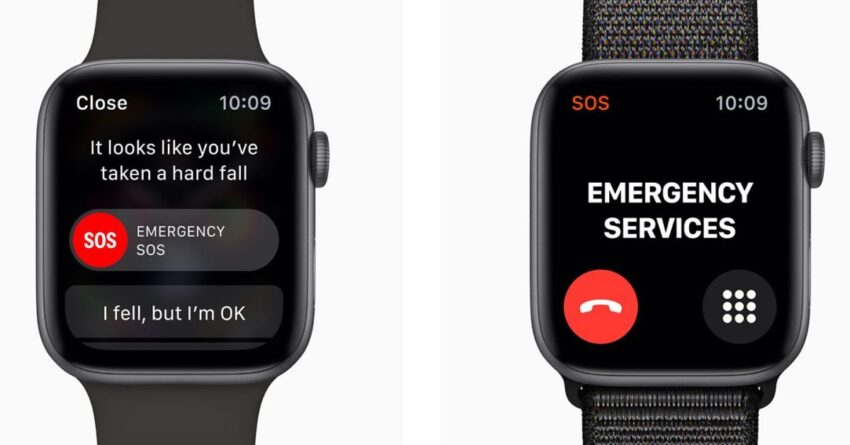
The fall detection technology in question is designed to identify when a user has fallen and to initiate a response, such as alerting emergency contacts or services. This feature has become increasingly vital as the aging population grows, with many seniors living independently. The technology typically relies on a combination of sensors, including accelerometers and gyroscopes, to detect sudden changes in movement and orientation.
Apple introduced its fall detection feature in the Apple Watch Series 4, launched in 2018. The feature uses advanced algorithms to analyze motion data and determine whether a fall has occurred. If a fall is detected and the user remains immobile for a certain period, the watch automatically contacts emergency services. This capability has been praised for potentially saving lives, particularly among elderly users.
Implications of the Investigation
The ITC’s investigation could have far-reaching consequences for Apple and other companies involved in the wearable technology market. If the commission finds that Apple has infringed on UnaliWear’s patents, it could lead to a ban on the importation of Apple Watches and other affected devices into the United States. Such a ruling would not only impact Apple’s sales but could also set a precedent for future patent disputes in the tech industry.
Potential Outcomes
There are several possible outcomes from the ITC’s investigation:
- Dismissal of the Complaint: The ITC may find that UnaliWear’s claims lack sufficient evidence, leading to a dismissal of the case.
- Finding of Infringement: If the ITC determines that Apple has infringed on UnaliWear’s patents, it could impose a ban on the sale of infringing products in the U.S.
- Settlement: Both parties may reach a settlement before the investigation concludes, which could involve licensing agreements or financial compensation.
Industry Reactions
The wearable technology industry is closely monitoring the situation, as the outcome could influence future innovations and patent strategies. Companies that rely on similar technologies may need to reassess their product designs and patent portfolios to avoid potential infringement issues.
UnaliWear has expressed optimism regarding the investigation, stating that it believes its technology is unique and deserves protection. The company’s CEO has emphasized the importance of safeguarding intellectual property in a rapidly evolving technological landscape.
Broader Context of Patent Disputes in Technology
This investigation is part of a larger trend in the technology sector, where patent disputes are becoming increasingly common. As companies rush to innovate and capture market share, the potential for intellectual property conflicts rises. The ITC has become a key player in resolving these disputes, often favoring patent holders in its rulings.
In recent years, the ITC has seen a surge in cases involving wearable technology, smartphones, and other consumer electronics. The commission’s ability to impose import bans makes it a powerful entity in the patent landscape, often leading to swift resolutions that can significantly impact market dynamics.
Impact on Consumers
The potential ramifications of this investigation extend beyond the companies involved. Consumers could face disruptions in the availability of certain products, particularly if a ban is imposed. The Apple Watch has become a popular choice for consumers seeking health monitoring features, and any limitations on its availability could lead to a shift in consumer preferences.
Moreover, the outcome of this investigation could influence the development of future wearable technologies. Companies may become more cautious in their approach to innovation, potentially stifling creativity and leading to fewer advancements in health monitoring and safety features.
Conclusion
The ITC’s decision to open a patent investigation into Apple’s fall detection technology marks a significant moment in the wearable technology sector. As the investigation unfolds, stakeholders from various sectors will be watching closely to see how it impacts the market, innovation, and consumer choices. The outcome could set important precedents for patent law and the future of technology development.
As the investigation progresses, it will be crucial for both UnaliWear and Apple to navigate the complexities of patent law and market competition. The implications of this case could resonate throughout the industry, shaping the landscape of wearable technology for years to come.
Source: Original report
Was this helpful?
Last Modified: January 21, 2026 at 3:38 am
1 views