sony is giving tcl control over its TCL is set to take majority ownership of Sony’s Bravia series of TVs, marking a significant shift in the television market.
sony is giving tcl control over its
Overview of the Joint Venture
In a groundbreaking announcement, TCL, a leading Chinese electronics manufacturer, has confirmed its acquisition of a 51 percent stake in Sony’s Bravia television line. This decision comes after both companies signed a memorandum of understanding, with plans to finalize binding agreements by the end of March 2027. The joint venture is anticipated to officially launch in April 2027, contingent upon receiving necessary regulatory approvals and meeting other conditions.
Details of the Agreement
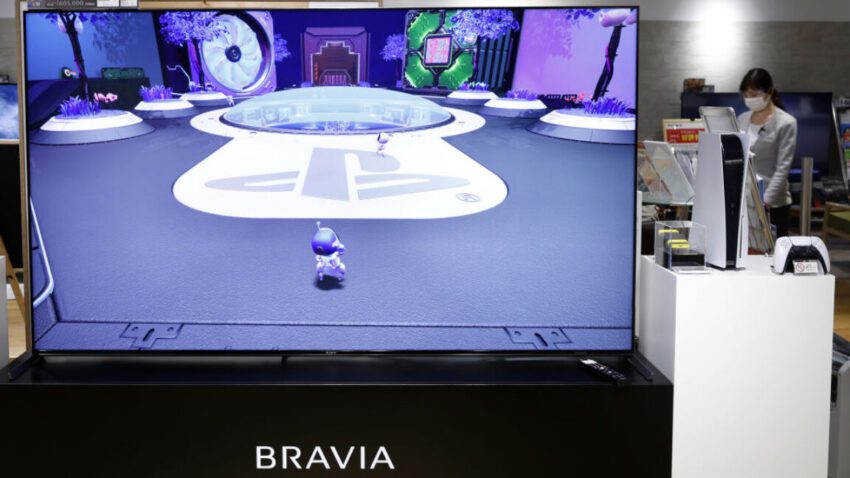
The agreement stipulates that TCL will take control of Sony’s home entertainment business, which includes the Bravia series of high-end televisions. Sony, headquartered in Tokyo, Japan, will retain a 49 percent stake in this joint venture. This arrangement not only signifies a shift in ownership but also highlights the growing influence of TCL in the global television market.
Strategic Implications for TCL
TCL’s acquisition of the majority stake in Sony’s Bravia line represents a strategic move to bolster its position in the competitive television landscape. By gaining control over a well-established brand known for its premium quality and cutting-edge technology, TCL aims to enhance its product offerings and expand its market reach.
Historically, TCL has been recognized for its aggressive pricing strategies and rapid innovation in the television sector. The Bravia series, renowned for its high-definition displays and advanced features, will complement TCL’s existing product lineup, allowing the company to cater to a broader range of consumer preferences.
Benefits for Sony
For Sony, the joint venture presents an opportunity to leverage TCL’s manufacturing capabilities and distribution networks. As competition in the television market intensifies, partnering with a company like TCL can provide Sony with the resources needed to maintain its market presence without bearing the full burden of operational costs.
Moreover, this collaboration allows Sony to focus on its core competencies, such as content creation and software development, while TCL manages the production and marketing of the Bravia line. This division of labor could lead to more innovative products and enhanced customer experiences.
Market Context
The television market has undergone significant transformations in recent years, driven by technological advancements and changing consumer preferences. With the rise of streaming services and the increasing demand for high-quality viewing experiences, manufacturers are under pressure to deliver superior products that meet evolving consumer expectations.
TCL has emerged as a formidable player in this landscape, consistently ranking among the top television brands globally. The company’s focus on affordability and value has resonated with consumers, allowing it to capture a substantial market share. By acquiring the Bravia brand, TCL is poised to further solidify its position in the premium television segment.
Competitive Landscape
The joint venture between TCL and Sony comes at a time when competition among television manufacturers is fierce. Key players in the industry, including Samsung, LG, and Hisense, are continually innovating and introducing new technologies to attract consumers. The partnership between TCL and Sony could reshape the competitive dynamics, as it combines the strengths of both companies to create a more formidable entity in the market.
Samsung and LG, for instance, have made significant investments in OLED technology, which has become a benchmark for high-end televisions. By integrating Sony’s expertise in display technology with TCL’s manufacturing prowess, the joint venture may enable the new entity to compete more effectively against these established brands.
Stakeholder Reactions
The announcement of the joint venture has elicited varied reactions from stakeholders across the industry. Analysts have expressed optimism about the potential synergies that could arise from the collaboration. Many believe that the partnership could lead to innovative product offerings that leverage both companies’ strengths.
Investors have also reacted positively, as the move is seen as a strategic alignment that could enhance profitability for both companies. By pooling resources and expertise, TCL and Sony may be better positioned to navigate the challenges of the evolving television market.
Consumer Perspectives
From a consumer standpoint, the joint venture raises questions about the future of the Bravia brand. Sony has long been synonymous with high-quality televisions, and many consumers have come to trust the brand for its reliability and performance. The integration of TCL’s manufacturing capabilities could lead to more competitive pricing, potentially making high-end televisions more accessible to a broader audience.
However, some consumers may be concerned about the impact on product quality and brand identity. As TCL takes the reins of the Bravia line, it will be crucial for the company to maintain the high standards that consumers have come to expect from Sony’s products. Clear communication about the brand’s direction and commitment to quality will be essential in assuaging any concerns.
Future Outlook
Looking ahead, the joint venture between TCL and Sony could set the stage for a new era in the television market. As the industry continues to evolve, the collaboration may lead to advancements in display technology, smart features, and overall user experience.
With TCL’s focus on innovation and affordability, combined with Sony’s legacy of quality and performance, the partnership has the potential to redefine consumer expectations in the high-end television segment. As the joint venture progresses toward its anticipated launch in April 2027, industry observers will be closely monitoring developments and the impact on the competitive landscape.
Regulatory Considerations
As with any major corporate partnership, the joint venture will need to navigate various regulatory hurdles before it can be fully realized. Regulatory approvals are essential to ensure compliance with antitrust laws and other legal requirements. The timeline for these approvals can vary significantly by region, and any delays could impact the planned launch date.
Both companies will need to work closely with regulatory bodies to address any concerns and facilitate a smooth transition. Transparency and cooperation will be key in ensuring that the joint venture is viewed favorably by regulators and the public alike.
Conclusion
The acquisition of a majority stake in Sony’s Bravia series by TCL marks a significant milestone in the television industry. This joint venture not only highlights TCL’s growing influence but also presents an opportunity for Sony to leverage its partner’s strengths in manufacturing and distribution. As the television market continues to evolve, the collaboration between these two companies could lead to innovative products and enhanced consumer experiences. Stakeholders across the industry will be watching closely as the joint venture progresses toward its anticipated launch in April 2027.
Source: Original report
Was this helpful?
Explore more: More Business & Startups Tech News Blog
Last Modified: January 21, 2026 at 4:40 am
17 views