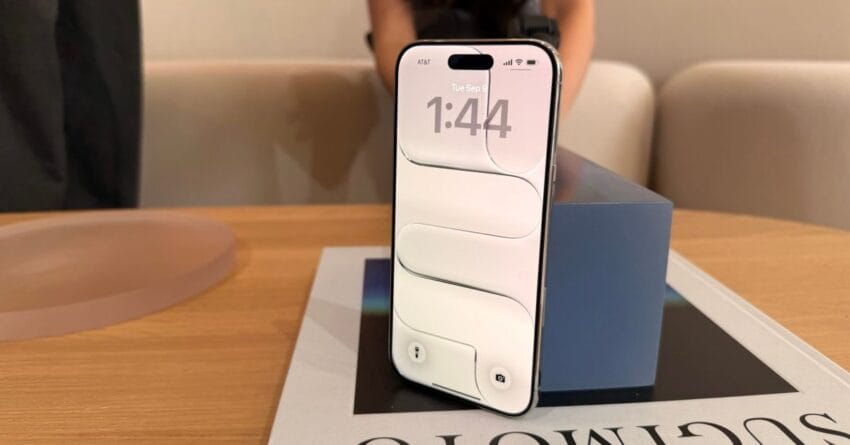
iphone air sells out almost instantly in Apple’s iPhone Air has made a significant impact in the Chinese market, selling out almost immediately upon its pre-order launch.
iphone air sells out almost instantly in
Introduction to the iPhone Air
Apple’s iPhone Air, introduced last month, marked a new chapter in the company’s smartphone lineup. Known for its ultra-thin design and lightweight build, the iPhone Air is positioned as a premium device that caters to users seeking portability without compromising on performance. However, its initial release was notably absent from one of the world’s largest smartphone markets: China. This absence was primarily due to the device’s exclusive reliance on eSIM technology, which posed challenges in a country with stringent regulations regarding eSIM usage.
The Significance of eSIM Technology
eSIM, or embedded SIM, represents a shift from traditional SIM cards to a more integrated solution within devices. This technology allows users to activate a cellular plan without the need for a physical SIM card, offering greater flexibility and convenience. However, the adoption of eSIM technology has been uneven across the globe, with countries like China implementing strict regulations that complicate its deployment.
China’s Regulatory Landscape
China’s telecommunications regulations are among the most rigorous in the world. The government has established a framework that governs the use of eSIM technology, primarily to ensure security and control over telecommunications infrastructure. As a result, many international tech companies face hurdles when attempting to introduce eSIM-enabled devices in the Chinese market. Apple’s decision to release the iPhone Air as an eSIM-only device initially excluded it from this lucrative market.
Launch of Pre-orders in China
Today, Apple officially launched pre-orders for the iPhone Air in China, and the response has been overwhelmingly positive. Reports indicate that the device sold out almost instantly, highlighting the strong demand among Chinese consumers for this new offering. The quick sell-out suggests that Apple has successfully navigated the regulatory challenges and that the iPhone Air resonates well with the preferences of Chinese consumers.
Consumer Demand and Market Trends
The immediate sell-out of the iPhone Air reflects broader trends in the Chinese smartphone market. Chinese consumers are increasingly drawn to devices that offer innovative features, sleek designs, and enhanced performance. The iPhone Air, with its ultra-thin profile and advanced capabilities, aligns well with these preferences. Furthermore, Apple’s brand loyalty in China remains robust, with many consumers eager to upgrade to the latest technology from the company.
Implications for Apple and the Smartphone Market
The successful launch of the iPhone Air in China has several implications for Apple and the broader smartphone market. First, it underscores Apple’s ability to adapt to local market conditions and regulatory environments. By addressing the eSIM concerns and ensuring compliance with Chinese regulations, Apple has demonstrated its commitment to maintaining a strong presence in one of the world’s most competitive smartphone markets.
Competitive Landscape
Apple’s entry into the Chinese market with the iPhone Air also intensifies competition among smartphone manufacturers. Brands such as Huawei, Xiaomi, and Oppo have long dominated the Chinese market, offering a range of devices that cater to various consumer segments. Apple’s ability to capture consumer interest with the iPhone Air may prompt these competitors to innovate further, potentially leading to a new wave of smartphone advancements.
Stakeholder Reactions
The reaction from stakeholders, including consumers, analysts, and industry experts, has been largely positive. Consumers have expressed excitement about the iPhone Air’s features, including its lightweight design, advanced camera capabilities, and seamless integration with Apple’s ecosystem. Analysts have noted that the quick sell-out could signal a strong recovery for Apple in the Chinese market, which had faced challenges in recent years due to geopolitical tensions and increased competition.
Analysts’ Insights
Industry analysts have highlighted the importance of the iPhone Air’s success in China for Apple’s overall growth strategy. With the Chinese smartphone market being one of the largest in the world, capturing a significant share is crucial for Apple’s long-term profitability. The positive reception of the iPhone Air may also pave the way for future product launches in China, as Apple continues to refine its approach to meet local consumer demands.
Future Prospects for the iPhone Air
Looking ahead, the iPhone Air’s success in China could lead to further innovations and adaptations in Apple’s product lineup. As consumer preferences evolve, Apple may consider expanding its offerings to include more eSIM-compatible devices, potentially addressing the needs of a broader audience. Additionally, the company may explore partnerships with local telecommunications providers to enhance the eSIM experience for users in China.
Long-term Strategy
Apple’s long-term strategy in China will likely involve a combination of product innovation, regulatory compliance, and consumer engagement. By continuing to invest in research and development, Apple can ensure that its products remain competitive in a rapidly changing market. Furthermore, fostering relationships with local stakeholders, including government entities and telecommunications companies, will be essential for navigating the complexities of the Chinese regulatory landscape.
Conclusion
The launch of the iPhone Air in China marks a significant milestone for Apple, demonstrating its ability to adapt to local market conditions and consumer preferences. The immediate sell-out of the device highlights strong demand and sets the stage for future growth in one of the world’s most important smartphone markets. As Apple continues to refine its strategy and product offerings, the iPhone Air’s success may serve as a blueprint for future endeavors in China and beyond.
Source: Original report
Was this helpful?
Explore more: More Hardware & Devices Tech News Blog
Last Modified: October 18, 2025 at 7:36 am
11 views