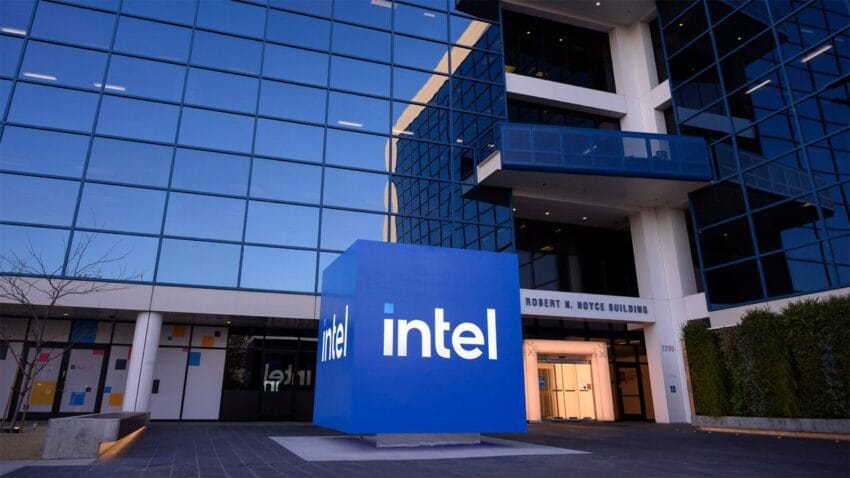
intel warns shareholders that the us government s 10 stake could hurt company s international sales: intel warns shareholders that the us government: Intel has alerted its shareholders that the U.S. government’s 10% stake in the company could negatively impact its international sales.
Intel warns shareholders that the us government – Overview of Intel’s Stakeholder Concerns
Intel Corporation, a leading player in the semiconductor industry, has recently issued a warning to its shareholders regarding potential risks associated with a significant government investment. In a filing with the U.S. Securities and Exchange Commission (SEC), the company highlighted that the U.S. government’s 10% ownership stake, acquired through an $8.9 billion funding deal linked to the CHIPS Act, may pose political and legal challenges. These challenges could lead to backlash in international markets, which are crucial for Intel’s revenue.
Understanding the CHIPS Act
The CHIPS Act, formally known as the Creating Helpful Incentives to Produce Semiconductors for America Act, was enacted to bolster the domestic semiconductor industry. It aims to reduce reliance on foreign semiconductor manufacturing and enhance the United States’ competitive edge in technology. The act provides substantial financial incentives for companies to build and expand semiconductor manufacturing facilities in the U.S.
Intel’s participation in this initiative reflects the company’s commitment to increasing domestic production capabilities. However, the involvement of the U.S. government as a significant shareholder introduces complexities that could affect Intel’s global operations.
Political and Legal Risks
Intel’s SEC filing explicitly outlines the political and legal risks associated with the government’s stake. The presence of a government entity as a shareholder may lead to increased scrutiny and regulatory oversight. This could create a perception of favoritism or bias in international markets, where Intel competes against other global semiconductor manufacturers.
Market Reactions
The announcement has raised eyebrows among investors and analysts. Concerns have emerged about how foreign governments and companies will perceive Intel’s increased ties to the U.S. government. The semiconductor industry is highly competitive, and any perceived disadvantage could impact Intel’s market share and profitability.
Intel generates a significant portion of its revenue from international sales. For instance, in its most recent quarterly earnings report, the company reported that nearly 80% of its revenue came from markets outside the United States. This heavy reliance on international sales makes the potential backlash from foreign markets particularly concerning.
Potential Backlash in International Markets
The potential for backlash in international markets is a critical concern for Intel. Several factors contribute to this apprehension, including:
- Perception of Government Influence: The 10% stake may lead to perceptions that Intel is closely aligned with U.S. government interests, potentially alienating customers and partners in other countries.
- Trade Relations: Ongoing trade tensions between the U.S. and other nations could exacerbate any negative sentiment towards a U.S.-backed company.
- Competitive Landscape: Competitors in countries like China and Taiwan may exploit this situation to their advantage, portraying Intel as a less favorable option for international partnerships.
Stakeholder Impact
The implications of these concerns extend beyond just Intel’s immediate financial performance. Shareholders, employees, and even customers may feel the effects of the government’s stake in various ways:
- Shareholders: Investors may become wary of the potential volatility in Intel’s stock price due to geopolitical factors, leading to increased uncertainty in their investment.
- Employees: Workers may face job security concerns if international sales decline, prompting potential layoffs or restructuring within the company.
- Customers: Clients relying on Intel’s products may seek alternatives if they perceive risks associated with the company’s government ties, leading to reduced sales volume.
Intel’s Strategic Response
In light of these challenges, Intel is likely to adopt a multifaceted approach to mitigate risks associated with the U.S. government’s stake. While specific strategies have not yet been disclosed, several avenues could be explored:
- Enhanced Communication: Intel may focus on transparent communication with stakeholders, emphasizing its commitment to maintaining independence and competitiveness in global markets.
- International Partnerships: Strengthening relationships with international partners could help mitigate any negative perceptions stemming from the government’s stake.
- Diversification: Expanding its product offerings and markets could help reduce reliance on any single region, thus lessening the impact of geopolitical tensions.
Long-Term Implications
The long-term implications of the U.S. government’s stake in Intel are still unfolding. As the semiconductor industry continues to evolve, companies must navigate a complex landscape of regulatory, political, and competitive factors. Intel’s ability to adapt to these changes will be critical in maintaining its position as a leader in the industry.
The CHIPS Act represents a significant investment in the future of semiconductor manufacturing in the U.S., but it also brings challenges that need to be addressed. Intel’s proactive measures to manage potential risks will be essential as it seeks to balance domestic interests with the realities of operating in a global marketplace.
Conclusion
Intel’s warning to shareholders regarding the potential impact of the U.S. government’s 10% stake underscores the complexities of navigating the modern semiconductor landscape. As the company moves forward, it will need to carefully consider its strategies to mitigate political and legal risks while maintaining its competitive edge in international markets.
The semiconductor industry is at a pivotal moment, with government involvement playing an increasingly prominent role. How Intel manages this situation will not only influence its own future but may also set precedents for other companies in the tech sector.
Source: Original reporting
Was this helpful?
Explore more: More Hardware & Devices Tech News Blog
Last Modified: August 27, 2025 at 1:48 am
8 views