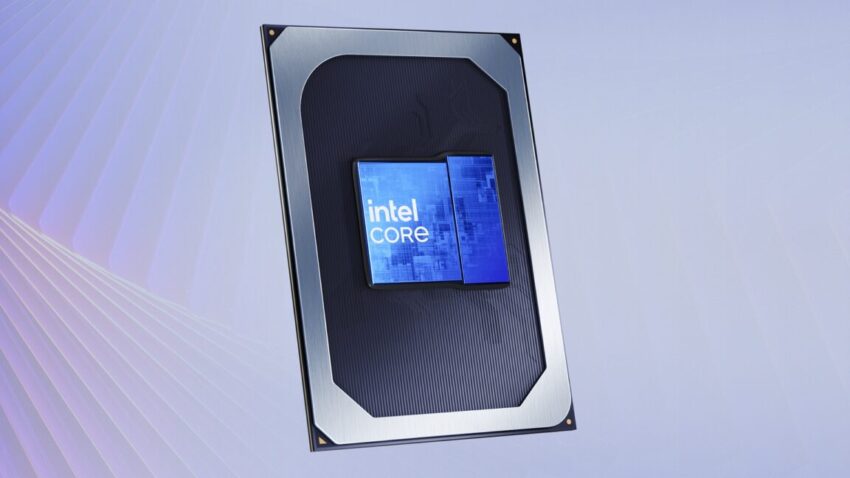
intel refreshes non-ultra core cpus with new Intel has introduced a significant update to its non-Ultra Core CPUs, marking the first time in years that these processors feature new silicon.
intel refreshes non-ultra core cpus with new
Background on Intel’s CPU Strategy
Intel has long been a dominant player in the CPU market, particularly in the laptop segment. Over the past few years, the company has shifted its focus towards its Core Ultra series, which has become the flagship line of processors. This shift began when Intel retired its older generational branding scheme, which included the familiar i3, i5, i7, and i9 designations. Instead, the company opted for a more streamlined naming convention that emphasizes the Ultra branding.
The Core Ultra Series 1, Series 2, and Series 3 processors have been at the forefront of Intel’s technological advancements. These chips have incorporated newer CPU and GPU designs, as well as cutting-edge manufacturing technologies. This evolution has allowed Intel to compete more effectively against rivals like AMD, which has gained significant market share with its Ryzen processors.
The Non-Ultra Core CPUs: A Lackluster Offering
While Intel has made strides with its Core Ultra series, the non-Ultra Core CPUs have not captured the same level of interest. Historically, these processors have been based on older architectures, which has limited their appeal. Both the Series 1 and Series 2 non-Ultra chips were built on Intel’s Raptor Lake architecture, which was the code name for the 13th-generation Core family released in 2023. This architecture was essentially a continuation of the previous generation, as most versions of Raptor Lake utilized the same silicon as Intel’s 12th-generation Core CPUs from 2022.
The reliance on older technology has left the non-Ultra Core CPUs feeling stale and uninspired. Consumers and industry experts alike have expressed disappointment with the lack of innovation in this segment. As a result, many users have opted for the more advanced Ultra series, leaving the non-Ultra offerings in the shadows.
Introduction of New Silicon in Non-Ultra Core Series 3
Intel’s recent announcement regarding the non-Ultra Core Series 3 processors marks a pivotal shift in the company’s approach. For the first time in several years, these CPUs will feature new silicon, signaling a return to a more competitive and innovative product lineup. This change is particularly noteworthy as it aligns with Intel’s broader strategy to enhance its offerings across all segments of the market.
What to Expect from the Core Series 3 Processors
The new non-Ultra Core Series 3 processors are expected to incorporate several advancements that were previously exclusive to the Ultra line. These improvements may include:
- Enhanced Performance: The new silicon is likely to deliver better performance metrics, making these processors more appealing to a wider audience.
- Improved Power Efficiency: With advancements in manufacturing technology, the Series 3 chips may offer better power efficiency, which is crucial for laptop users seeking longer battery life.
- Integrated Graphics Improvements: The new processors may feature upgraded integrated graphics capabilities, allowing for better performance in gaming and multimedia applications.
- Support for New Technologies: The Series 3 CPUs are expected to support the latest technologies, including faster memory and improved connectivity options.
Implications for the Market
The introduction of new silicon in the non-Ultra Core Series 3 processors has several implications for the market. First and foremost, it indicates that Intel is committed to revitalizing its entire product lineup, not just its flagship offerings. This move could help the company regain market share in the midrange and entry-level segments, where competition has intensified.
Furthermore, the enhanced performance and efficiency of the Series 3 processors may attract consumers who have been hesitant to invest in Intel’s non-Ultra offerings. This could lead to increased sales and a more balanced portfolio for Intel, which has been heavily reliant on its Ultra series for revenue growth.
Stakeholder Reactions
The announcement of the new non-Ultra Core Series 3 processors has elicited a range of reactions from stakeholders in the tech industry. Analysts have generally welcomed the news, viewing it as a positive step towards restoring Intel’s reputation for innovation. Many believe that the introduction of new silicon will help the company compete more effectively against AMD and other rivals.
Consumers, particularly those in the market for midrange laptops, are likely to respond positively to the new offerings. The prospect of improved performance and efficiency in non-Ultra CPUs may encourage more users to consider Intel’s products, especially if they are looking for a balance between performance and price.
Challenges Ahead
Despite the positive reception of the new non-Ultra Core Series 3 processors, Intel faces several challenges moving forward. One of the most significant hurdles is the ongoing competition from AMD, which continues to innovate and release compelling products. AMD’s Ryzen processors have gained a reputation for offering excellent performance at competitive prices, making it essential for Intel to ensure that its new offerings stand out in the crowded market.
Additionally, Intel must navigate the complexities of supply chain management and manufacturing. The semiconductor industry has faced numerous challenges in recent years, including shortages and disruptions caused by global events. Ensuring a steady supply of the new non-Ultra Core Series 3 processors will be crucial for Intel’s success in this competitive landscape.
Looking Ahead
As Intel prepares to launch its new non-Ultra Core Series 3 processors, the tech community will be closely monitoring the company’s performance in the coming months. The introduction of new silicon is a promising development, but it will take time to assess the impact on market dynamics and consumer preferences.
Intel’s ability to innovate and deliver high-quality products will be critical in determining its future success. The company has a storied history in the semiconductor industry, and the new non-Ultra Core Series 3 processors could represent a turning point in its quest to reclaim its position as a leader in the CPU market.
In conclusion, the introduction of new silicon in Intel’s non-Ultra Core Series 3 processors marks a significant development in the company’s product strategy. By revitalizing its offerings in this segment, Intel aims to enhance its competitiveness and appeal to a broader audience. As the market continues to evolve, the success of these new processors will depend on Intel’s ability to deliver on performance, efficiency, and innovation.
Source: Original report
Was this helpful?
Explore more: More Hardware & Devices Tech News Blog
Last Modified: April 17, 2026 at 5:36 am
18 views