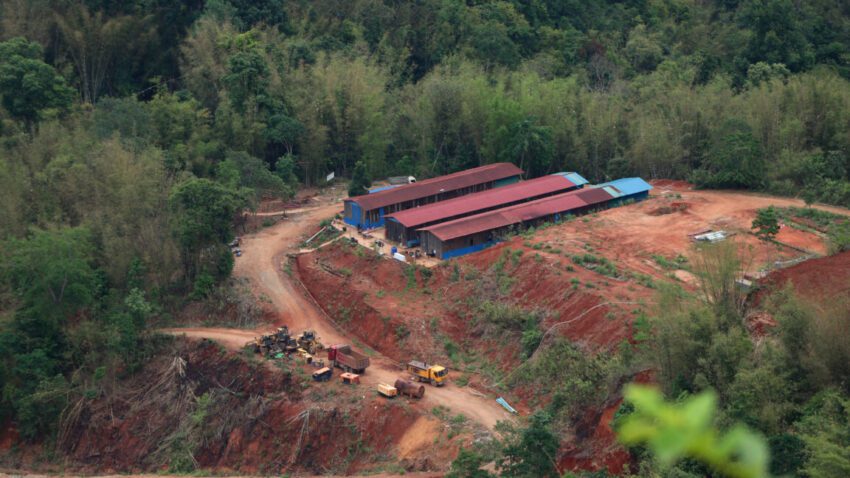
in myanmar illicit rare-earth mining is taking In Myanmar, illicit rare-earth mining operations are wreaking havoc on the environment and local communities, driven by the demand for these critical materials.
in myanmar illicit rare-earth mining is taking
The Context of Rare-Earth Mining in Myanmar
Rare-earth elements (REEs) are crucial for modern technology, used in everything from smartphones to electric vehicles. The global demand for these materials has surged in recent years, particularly as countries transition to greener technologies. Myanmar, rich in these resources, has become a focal point for illicit mining activities, especially following the military coup in February 2021 that destabilized the country’s economy.
The coup led to widespread civil unrest and a collapse of the formal economy, pushing many citizens into desperate situations. As a result, illegal mining operations have proliferated, often under the control of ethnic armed groups, such as the United Wa State Army (UWSA). These groups have established a foothold in the lucrative rare-earth mining sector, attracting workers with the promise of high wages amidst a crumbling economy.
The Journey of Sian
In early 2025, Sian, a resident of Myanmar, embarked on a perilous journey into the mountains of Shan State, located on the eastern border with China. He had learned from a friend about job opportunities at new rare-earth mining sites operated by Chinese companies in areas controlled by the UWSA. With the potential to earn upwards of $1,400 a month, the opportunity was too enticing to ignore, especially in a country where nearly half of the population survives on less than $2 a day.
Sian’s journey began with a car ride to the town of Mong Pawk, followed by several hours on a motorbike through dense forests. The trek was not only physically demanding but also fraught with risks, given the volatile security situation in the region. Upon arriving at the mining site, Sian was hired for daily wages of approximately $21, a significant sum in the local context.
The Mining Process
At the mining site, Sian’s work involved digging boreholes and installing pipes as part of a process known as in situ leaching. This method entails injecting acidic solutions into mountainsides to extract rare-earth elements. The solution is then collected in plastic-lined pools, where heavier solids, such as dysprosium and terbium, settle out. The resulting sediment sludge is transported to furnaces, where it is burned to produce dry rare earth oxides.
This method, while efficient for extracting valuable materials, poses significant environmental risks. The use of acidic solutions can lead to soil and water contamination, affecting local ecosystems and communities. Additionally, the mining operations often lack proper oversight and regulation, exacerbating the potential for environmental degradation.
Environmental and Social Implications
The rapid expansion of illicit rare-earth mining in Myanmar has raised alarms among environmentalists and human rights advocates. The environmental toll of these operations is severe, with deforestation, soil erosion, and water pollution becoming increasingly prevalent. The mining sites often disrupt local ecosystems, leading to loss of biodiversity and habitat destruction.
Moreover, the social implications are equally concerning. Local communities, many of whom rely on agriculture and natural resources for their livelihoods, are facing increasing challenges as mining operations encroach on their lands. Access to clean water is compromised, and the health risks associated with exposure to toxic substances are mounting. Reports of respiratory issues and skin conditions among workers and nearby residents have surfaced, highlighting the dire consequences of unregulated mining activities.
Stakeholder Reactions
The reactions to the burgeoning rare-earth mining industry in Myanmar are varied. Local communities often find themselves caught between the promise of economic opportunity and the harsh realities of environmental degradation and health risks. Many residents express a sense of desperation, feeling compelled to participate in the mining economy despite the associated dangers.
International organizations and environmental groups have condemned the illicit mining operations, calling for greater oversight and regulation. They argue that the Myanmar government, currently under military control, has failed to protect its citizens and the environment. The lack of accountability and transparency in the mining sector raises concerns about human rights violations and exploitation of vulnerable populations.
The Global Demand for Rare Earth Elements
The global demand for rare-earth elements is largely driven by technological advancements and the shift towards renewable energy sources. Countries are increasingly seeking to reduce their reliance on fossil fuels, leading to a surge in the production of electric vehicles, wind turbines, and other green technologies that require rare-earth materials.
China has long dominated the rare-earth market, controlling a significant portion of global production. However, geopolitical tensions and trade disputes have prompted other nations to seek alternative sources. Myanmar’s rich deposits of rare-earth elements have attracted foreign investment, particularly from Chinese companies looking to secure their supply chains.
Implications for Myanmar’s Future
The rise of illicit rare-earth mining in Myanmar presents a complex challenge for the country’s future. On one hand, the mining industry offers a potential economic lifeline for many citizens struggling to survive in a post-coup economy. On the other hand, the environmental and social costs associated with these operations threaten to undermine the very fabric of local communities.
As the international community grapples with the implications of Myanmar’s mining activities, calls for responsible sourcing and ethical supply chains are becoming more pronounced. Companies and governments are increasingly pressured to ensure that their sourcing practices do not contribute to human rights abuses or environmental degradation.
Conclusion
The situation in Myanmar underscores the urgent need for a balanced approach to resource extraction that prioritizes both economic development and environmental sustainability. As the demand for rare-earth elements continues to rise, it is imperative that stakeholders work collaboratively to establish frameworks that protect local communities and ecosystems while fostering responsible mining practices.
In the meantime, individuals like Sian will continue to seek opportunities in the mining sector, navigating the complexities of a rapidly changing landscape. The future of Myanmar’s rare-earth mining industry remains uncertain, but the stakes are high for both the people and the environment.
Source: Original report
Was this helpful?
Explore more: More General Technology Tech News Blog
Last Modified: December 2, 2025 at 3:36 am
21 views