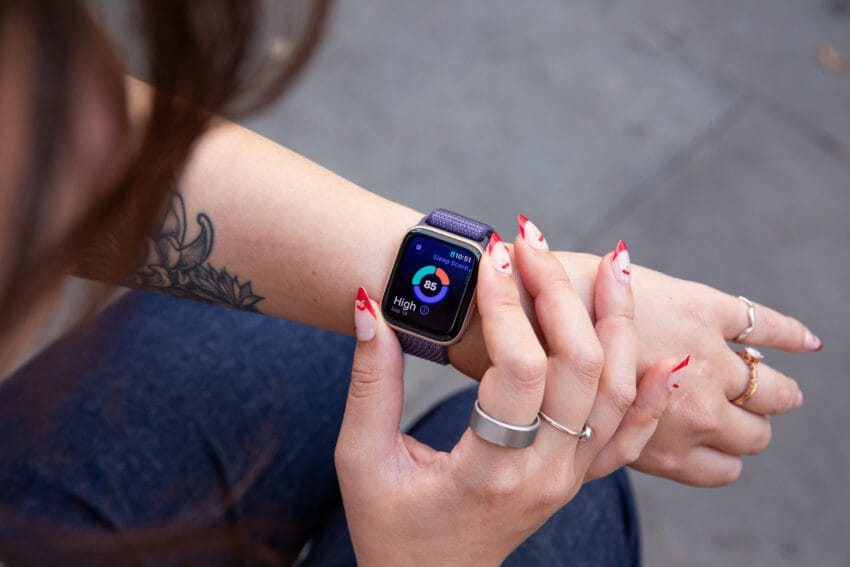
i ve got a bone to pick Fitness trackers, while designed to promote health and wellness, can sometimes feel more like a source of anxiety than a helpful tool.
i ve got a bone to pick
Understanding Fitness Trackers
Fitness trackers have become ubiquitous in our daily lives, with millions of people relying on them to monitor their physical activity, sleep patterns, and overall health. These devices come equipped with various features, such as heart rate monitoring, step counting, and calorie tracking, all aimed at helping users achieve their fitness goals. However, the underlying philosophy of these devices often raises questions about their true impact on mental and physical health.
The Promise of Data
At their core, fitness trackers are designed to provide users with data that can help them make informed decisions about their health. The idea is simple: by tracking metrics such as steps taken, calories burned, and sleep quality, users can gain insights into their lifestyle choices and make adjustments as needed. In theory, this data-driven approach should empower individuals to take control of their health.
However, the reality is more complex. While data can be beneficial, it can also lead to an overwhelming sense of pressure. Users may find themselves obsessively checking their stats, feeling compelled to meet daily goals, or striving for streaks that may not be sustainable. This can create a cycle of anxiety where the very tool meant to promote health becomes a source of stress.
The Double-Edged Sword of Gamification
One of the most significant features of fitness trackers is their gamification elements. Many devices reward users with badges, points, or streaks for achieving specific goals, such as completing a certain number of steps each day or maintaining a consistent workout routine. While these features can motivate some individuals, they can also have unintended consequences.
Streaks and Pressure
Streaks, in particular, can create a sense of obligation. Users may feel compelled to maintain their streaks, even when they are unwell or unable to engage in physical activity. This pressure can lead to feelings of guilt or inadequacy if they miss a day or fail to meet their goals. Instead of fostering a healthy relationship with exercise, fitness trackers can inadvertently promote a toxic mindset where users equate their self-worth with their performance metrics.
Oversimplification of Health
Another issue with gamification is the oversimplification of health. Fitness trackers often reduce complex health metrics into easily digestible scores or numbers. While this can make data more accessible, it can also lead to a narrow understanding of health. For instance, a user may focus solely on step counts without considering other essential factors such as nutrition, mental well-being, or the quality of their workouts.
This reductionist approach can create a false sense of security. Users may believe that as long as they meet their step goals, they are healthy, ignoring other critical aspects of their well-being. This can lead to an imbalanced approach to health, where individuals prioritize quantity over quality.
The Psychological Impact of Tracking
The psychological effects of using fitness trackers are significant and warrant careful consideration. While some users may thrive on the motivation provided by these devices, others may experience heightened anxiety and stress. The constant barrage of data can lead to a fixation on numbers, overshadowing the more holistic aspects of health.
Health Anxiety and Paranoia
For some individuals, the data provided by fitness trackers can exacerbate health anxiety. Users may become preoccupied with their metrics, worrying excessively about their performance and health outcomes. This can lead to a cycle of paranoia where individuals feel compelled to constantly monitor their stats, fearing that any deviation from their goals could have dire consequences.
Moreover, the social aspect of fitness tracking can also contribute to anxiety. Many users share their achievements on social media, which can create a competitive environment. This can lead to feelings of inadequacy when comparing oneself to others, further intensifying the pressure to perform.
Finding Balance
Given the potential pitfalls of fitness trackers, it is essential for users to find a balance between utilizing these tools and maintaining a healthy mindset. Here are some strategies to consider:
- Set Realistic Goals: Instead of aiming for arbitrary numbers, focus on setting achievable and meaningful goals that align with your lifestyle and preferences.
- Limit Tracking: Consider reducing the frequency of tracking or taking breaks from your device to prevent burnout and anxiety.
- Focus on Enjoyment: Prioritize activities that you genuinely enjoy rather than those that simply help you meet metrics. This can foster a more positive relationship with exercise.
- Seek Professional Guidance: If you find yourself struggling with anxiety related to fitness tracking, consider consulting a healthcare professional or mental health expert for support.
The Future of Fitness Tracking
As technology continues to evolve, the future of fitness tracking will likely bring new innovations and features aimed at enhancing user experience. However, it is crucial for developers and manufacturers to consider the psychological implications of their products. Striking a balance between providing useful data and promoting a healthy mindset should be a priority.
Redefining Success
One potential avenue for improvement is redefining what success looks like in fitness tracking. Instead of focusing solely on quantitative metrics, future devices could incorporate qualitative assessments of health. This could include features that encourage mindfulness, stress management, and overall well-being, rather than just physical performance.
Community and Support
Another area for growth is fostering community and support among users. Many individuals benefit from social connections and encouragement in their fitness journeys. By creating platforms that promote positive interactions and shared experiences, fitness trackers can help mitigate feelings of isolation and anxiety.
Conclusion
Fitness trackers have the potential to be valuable tools for promoting health and wellness. However, it is essential to approach these devices with a critical eye, recognizing their limitations and the potential for negative psychological impacts. By finding a balance between utilizing data and prioritizing mental well-being, users can harness the benefits of fitness trackers without succumbing to anxiety or pressure.
As we move forward, it is vital for both users and manufacturers to engage in a dialogue about the role of fitness trackers in our lives. By addressing the complexities of health and wellness, we can create a more supportive and holistic approach to fitness tracking that benefits everyone.
Source: Original report
Was this helpful?
Explore more: More Consumer Technology Tech News Blog
Last Modified: September 26, 2025 at 7:38 pm
13 views