i switched to esim in 2025 and As the mobile industry shifts towards embedded SIM technology, many users are beginning to question the practicality of eSIMs compared to traditional SIM cards.
i switched to esim in 2025 and
The Evolution of SIM Technology
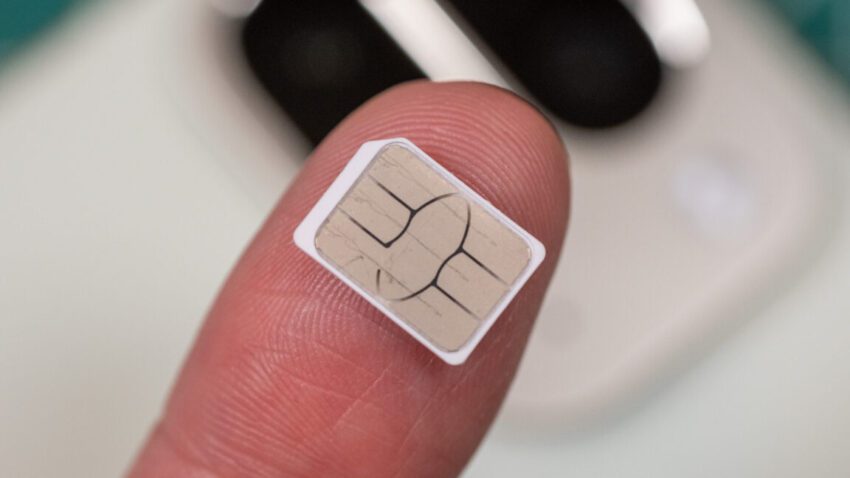
SIM cards, or Subscriber Identity Module cards, have been a staple in mobile technology since the 1990s. Initially, these cards were credit card-sized, bulky pieces of plastic that housed essential subscriber information. As mobile devices evolved, so too did the size of SIM cards. The industry saw a transition from the original SIM to miniSIM, microSIM, and finally to the nanoSIM, which is now the standard. A modern nanoSIM is roughly the size of a pinky nail, allowing for more compact designs in smartphones.
However, as smartphones became increasingly sophisticated, the need for more internal space became paramount. This led to the introduction of eSIM technology. The eSIM standard was officially introduced in 2016, marking a significant shift in how mobile connectivity is managed. Unlike traditional SIM cards, eSIMs are embedded directly into the device’s circuit board, making them non-removable and programmable. This allows users to store multiple SIM profiles on a single chip, enabling seamless switching between carriers and plans without the need to physically swap out cards.
Advantages of eSIM Technology
eSIM technology offers several advantages over traditional SIM cards:
- Space Efficiency: eSIMs take up significantly less space than removable SIM cards, allowing manufacturers to design slimmer devices or allocate space for other components.
- Convenience: Users can switch carriers or plans through software without needing to visit a store or wait for a new SIM card to arrive by mail.
- Enhanced Security: Since eSIMs are embedded, they are less susceptible to theft or loss compared to removable SIM cards.
- Multiple Profiles: eSIMs can store multiple profiles, making it easier for users to manage different numbers or plans, especially for frequent travelers.
Transitioning to eSIM: A Personal Experience
Despite the advantages, my personal experience with eSIM technology has been fraught with challenges. When I was tasked with reviewing Google’s Pixel 10 series, which prominently features eSIM technology, I found myself compelled to make the switch. Initially, I was optimistic about the transition, believing that the benefits would outweigh any potential drawbacks. However, my experience has led me to regret this decision.
Initial Optimism
Upon receiving the Pixel 10, I was excited to explore its features, particularly the eSIM capabilities. The setup process was straightforward; I simply scanned a QR code provided by my carrier, and within moments, my device was connected. The convenience of not having to fiddle with a physical SIM card was appealing. I appreciated the sleek design of the Pixel 10, which was made possible by the absence of a SIM slot.
Challenges Arise
However, as I began to use the device, I quickly encountered several issues that made me question the practicality of eSIM technology:
- Carrier Compatibility: Not all carriers support eSIM technology, which can create significant hurdles for users. I found that my previous carrier did not fully support eSIM, forcing me to switch to a different provider. This added an unexpected layer of complexity to the transition.
- Limited Options: While eSIMs allow for multiple profiles, the actual number of carriers that support eSIM is still limited in many regions. This can restrict users’ choices, particularly in areas where smaller or regional carriers are preferred.
- Technical Glitches: I experienced several technical issues during my initial setup and subsequent usage. For instance, my device occasionally failed to recognize the eSIM profile, requiring me to restart the phone or re-scan the QR code. These glitches were frustrating and detracted from the overall user experience.
- International Travel Complications: As someone who frequently travels abroad, I found that managing eSIM profiles while overseas was not as seamless as I had hoped. While the ability to switch carriers digitally is a benefit, I encountered difficulties when trying to activate local eSIMs in different countries. Some local carriers had complicated activation processes that were not user-friendly.
The Implications of eSIM Adoption
The shift to eSIM technology is not just a personal inconvenience; it has broader implications for the mobile industry and consumers alike. As manufacturers like Google move towards eSIM-only devices, several key factors must be considered:
Impact on Consumers
For consumers, the transition to eSIM technology can be a double-edged sword. While the convenience and space-saving benefits are undeniable, the challenges associated with carrier compatibility and technical issues can lead to frustration. Additionally, users who are accustomed to the tactile experience of swapping SIM cards may find the transition jarring.
Carrier Responses
Mobile carriers are also adapting to the eSIM landscape. Some have embraced the technology, offering dedicated support and streamlined activation processes. However, others have been slower to adapt, potentially alienating customers who are eager to switch to eSIM-enabled devices. The disparity in carrier support can create a fragmented experience for users, leading to confusion and dissatisfaction.
Future of Mobile Connectivity
As more manufacturers adopt eSIM technology, the future of mobile connectivity is likely to evolve. The potential for improved security, convenience, and device design is promising. However, the industry must address the existing challenges to ensure a smooth transition for consumers. This includes increasing carrier support, improving activation processes, and enhancing the overall user experience.
Conclusion: A Cautionary Tale
In conclusion, my experience with eSIM technology has been a cautionary tale. While the benefits of eSIMs are evident, the challenges I faced have left me questioning whether the transition was worth it. As the industry moves towards a future dominated by embedded SIMs, it is crucial for consumers to weigh the pros and cons carefully. For now, I find myself longing for the simplicity and reliability of traditional SIM cards.
Source: Original report
Was this helpful?
Explore more: Mobile App Development More Mobile Technology Tech News
Last Modified: December 29, 2025 at 7:37 pm
10 views