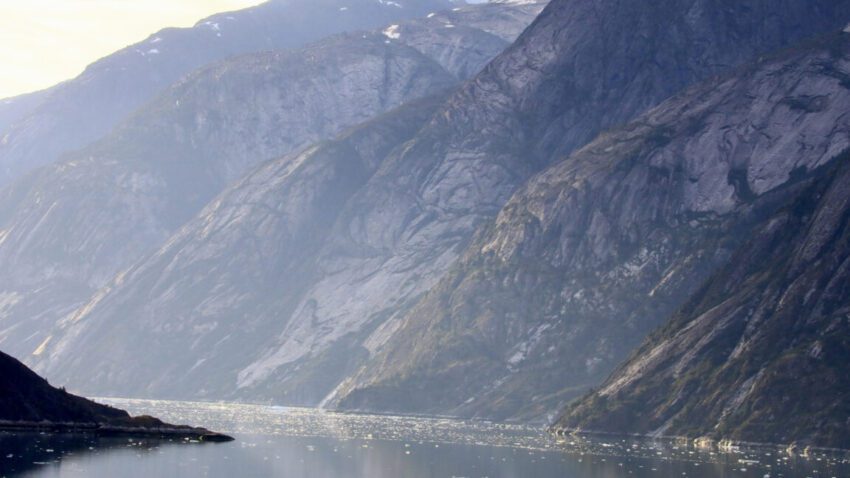
huge landslide created a 500-meter-high tsunami in A significant geological event in Alaska has resulted in a towering tsunami, raising concerns about the potential risks associated with similar occurrences in the future.
huge landslide created a 500-meter-high tsunami in
Overview of the Event
On August 10, 2025, at 5:26 am local time, a massive landslide occurred in the Tracy Arm fjord, located in southeastern Alaska. A colossal wedge of rock, estimated to have a volume of at least 63.5 million cubic meters, detached from a mountain and plunged into the waters at the terminus of the South Sawyer Glacier. This sudden displacement of rock triggered an initial wave that reached a staggering height of 100 meters, traveling at speeds exceeding 70 meters per second.
Impact of the Tsunami
As the initial wave surged across the fjord, it struck the opposite shoreline with tremendous force, resulting in a runup height of 481 meters above sea level. This event marks it as the second highest tsunami ever recorded on Earth, according to Aram Fathian, a researcher at the University of Calgary and co-author of a detailed study published in the journal Science. “But until now, almost nobody heard about it because it was a near-miss event,” Fathian noted, emphasizing the fortunate timing of the occurrence.
Fortunately, there were no reported injuries or fatalities associated with this tsunami, primarily due to the early morning hour when it took place. However, the implications of such a powerful natural disaster raise significant concerns about the potential dangers posed by similar geological events in the future.
The Mechanics of Landslide Tsunamis
Landslide-generated tsunamis, such as the one experienced in Tracy Arm, differ significantly from those generated by earthquakes. Typically, earthquake-generated tsunamis reach runup heights of only a few tens of meters when they strike land. In contrast, landslide tsunamis tend to be more localized but can be far more violent and destructive.
When millions of tons of rock suddenly fall into a confined body of water, like a narrow fjord, the resulting displacement of the water column creates extremely high waves. The unique topography of the fjord, combined with the sudden influx of rock, contributes to the intensity of the tsunami.
Historical Context
Since 1925, scientists have documented 27 landslide-generated tsunami events with runup heights exceeding 50 meters. The most notable of these was the 1958 Lituya Bay tsunami, which reached an astonishing height of 530 meters. Such historical precedents highlight the potential for catastrophic outcomes in similar geological scenarios.
Scientific Insights and Research
The recent study led by Fathian and his colleagues provides a comprehensive reconstruction of the Tracy Arm tsunami event. Utilizing advanced modeling techniques and historical data, the researchers were able to analyze the mechanics behind the landslide and its subsequent impact on the fjord.
One of the key findings of the study is the role of glacier dynamics in triggering such landslides. As glaciers melt due to climate change, the stability of the surrounding rock formations may be compromised, increasing the likelihood of landslides. This connection underscores the broader implications of climate change on geological stability and natural disaster risks.
Implications for Coastal Communities
The Tracy Arm tsunami serves as a stark reminder of the vulnerabilities faced by coastal communities, particularly those situated near glacial regions. The potential for similar landslide events raises critical questions about preparedness and response strategies in the face of such natural disasters.
Local authorities and disaster management agencies must consider the unique risks posed by landslide-generated tsunamis when developing emergency response plans. This includes implementing early warning systems, conducting risk assessments, and educating the public about the potential dangers associated with living in proximity to glacial fjords.
Stakeholder Reactions
The scientific community has expressed a mix of concern and urgency regarding the implications of the Tracy Arm tsunami. Researchers emphasize the need for increased monitoring of glacial regions and the surrounding geological formations to better understand the risks associated with landslide events.
Environmental organizations have also weighed in, highlighting the importance of addressing climate change as a means of mitigating the risks associated with glacial melting and subsequent landslides. “We need to take climate change seriously,” said a spokesperson for a prominent environmental group. “The consequences are not just about rising sea levels; they also include increased geological instability.”
Public Awareness and Education
Public awareness campaigns are crucial in ensuring that communities understand the risks associated with living near glacial fjords. Educational initiatives can help residents recognize the signs of potential landslides and tsunamis, empowering them to take appropriate precautions.
Moreover, collaboration between scientists, local governments, and community organizations can facilitate the development of effective response strategies. By fostering a culture of preparedness, communities can better equip themselves to handle the challenges posed by natural disasters.
Future Research Directions
The Tracy Arm tsunami has opened up new avenues for research in the field of geology and disaster management. Scientists are now focusing on understanding the factors that contribute to landslide events and their potential to generate tsunamis. This includes studying the geological composition of fjords, the dynamics of glacial movement, and the impact of climate change on geological stability.
Furthermore, researchers are exploring advanced modeling techniques to predict the likelihood of future landslide events and their potential impacts on coastal communities. By leveraging technology and data analysis, scientists aim to enhance our understanding of these complex geological processes.
Conclusion
The massive landslide and subsequent tsunami in Tracy Arm fjord serve as a powerful reminder of the dynamic and often unpredictable nature of our planet. As climate change continues to influence geological stability, the potential for similar events raises significant concerns for coastal communities worldwide. Ongoing research, public awareness, and proactive disaster management strategies will be essential in mitigating the risks associated with landslide-generated tsunamis in the future.
Source: Original report
Was this helpful?
Explore more: More General Technology Tech News Blog
Last Modified: May 10, 2026 at 8:38 pm
18 views