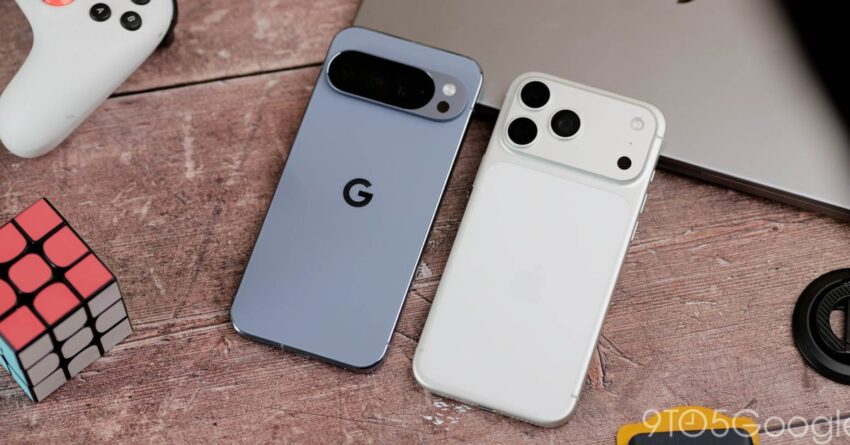
google s airdrop support for pixel 10 Google has introduced cross-platform AirDrop support for its Pixel 10, marking a significant development in file-sharing capabilities between Android and iOS devices.
google s airdrop support for pixel 10
Introduction of AirDrop Support
This week, Google unexpectedly rolled out AirDrop support for the Pixel 10, enabling users to transfer photos, files, and other content seamlessly to iPhones. This feature allows Pixel 10 users to engage in a more integrated experience with Apple devices, which has long been a point of contention in the tech community. The introduction of this functionality appears to be a strategic move that may have broader implications beyond just enhancing user experience.
Background on AirDrop and Cross-Platform Compatibility
AirDrop, Apple’s proprietary file-sharing feature, has been a hallmark of the iOS ecosystem since its introduction in 2011. It allows users to share files quickly and securely with nearby Apple devices using Bluetooth and Wi-Fi Direct. However, the lack of cross-platform support has often been criticized, particularly as the tech landscape becomes increasingly interconnected.
For years, Android users have sought similar functionality to facilitate easier sharing with iOS devices. While various third-party applications have attempted to bridge this gap, none have achieved the level of convenience and security that AirDrop offers. Google’s decision to implement AirDrop support in the Pixel 10 represents a significant shift in this dynamic, potentially reshaping user expectations and interactions between the two major operating systems.
Implications of the EU’s Ruling on Apple’s Practices
The timing of Google’s announcement coincides with recent regulatory pressures on Apple, particularly from the European Union (EU). The EU has been actively working to promote interoperability and reduce monopolistic practices among tech giants. This includes pushing for USB-C adoption across devices and advocating for more open standards in communication protocols.
In 2022, the EU mandated that all smartphones sold in its member states must adopt USB-C as a universal charging standard by 2024. This ruling was aimed at reducing electronic waste and simplifying the user experience. The implications of this ruling extend beyond charging ports; they also touch on software interoperability and the sharing of data across platforms.
Google’s introduction of AirDrop support for the Pixel 10 may be a direct response to these regulatory pressures. By enhancing cross-platform capabilities, Google is not only improving its product offering but also positioning itself as a more compliant player in the evolving regulatory landscape.
Stakeholder Reactions
Consumer Response
The initial consumer reaction to the new AirDrop feature has been overwhelmingly positive. Pixel 10 users have expressed excitement about the newfound ability to share files with iPhone users effortlessly. This feature is particularly appealing to those who have friends or family members using Apple devices, as it eliminates the need for cumbersome workarounds or third-party applications.
Social media platforms have seen a flurry of discussions surrounding the update, with many users sharing their experiences and praising Google for bridging the gap between the two ecosystems. This positive reception could lead to increased sales for the Pixel 10, as consumers often look for devices that offer seamless integration with their existing technology.
Industry Analysts
Industry analysts have also weighed in on the implications of this development. Many see it as a strategic move by Google to enhance its competitive edge against Apple. By offering features that facilitate easier interactions with iOS devices, Google is positioning the Pixel 10 as a more attractive option for consumers who are entrenched in the Apple ecosystem.
Some analysts suggest that this move could force Apple to reconsider its approach to cross-platform compatibility. If Google continues to innovate in this area, Apple may feel pressured to enhance its own offerings to maintain its competitive advantage.
Technical Aspects of the AirDrop Feature
The technical implementation of AirDrop support on the Pixel 10 is noteworthy. Google has leveraged Bluetooth and Wi-Fi Direct technologies to facilitate secure file transfers. This ensures that the data remains encrypted during transmission, providing a level of security that is crucial for users concerned about privacy.
Additionally, the user interface for sharing files has been designed to be intuitive. Users can easily select files and choose the recipient from a list of nearby devices, making the process straightforward and user-friendly. This ease of use is essential for encouraging adoption among users who may be unfamiliar with the feature.
Broader Context of Interoperability in Technology
The introduction of AirDrop support for the Pixel 10 is part of a larger trend toward interoperability in technology. As consumers increasingly rely on multiple devices and platforms, the demand for seamless integration has grown. This trend is evident not only in file-sharing capabilities but also in other areas such as messaging, cloud storage, and device connectivity.
Messaging services, for instance, have seen a push for cross-platform compatibility, with protocols like Rich Communication Services (RCS) gaining traction. RCS aims to provide a more robust messaging experience that includes features like read receipts, high-resolution media sharing, and group chats. Google’s advocacy for RCS can be seen as part of its broader strategy to enhance interoperability across devices.
Future Prospects for Google and Apple
Looking ahead, the introduction of AirDrop support for the Pixel 10 raises questions about the future relationship between Google and Apple. As both companies continue to innovate and respond to regulatory pressures, the landscape of mobile technology may shift significantly.
Apple may need to adapt its strategies to maintain its market position, particularly if consumer demand for cross-platform compatibility continues to grow. This could lead to a more open approach to software and hardware integration, which has traditionally been a hallmark of Apple’s business model.
On the other hand, Google may leverage this momentum to further enhance its offerings, potentially introducing additional features that cater to users seeking a more integrated experience across platforms. The competitive landscape may become increasingly dynamic as both companies respond to consumer needs and regulatory demands.
Conclusion
The rollout of AirDrop support for the Pixel 10 is a significant development in the ongoing evolution of mobile technology. It not only enhances the user experience for Pixel 10 owners but also reflects broader trends toward interoperability and compliance with regulatory standards. As Google and Apple navigate this changing landscape, the implications for consumers, industry stakeholders, and the tech ecosystem as a whole will be profound.
Source: Original report
Was this helpful?
Explore more: Mobile App Development More Mobile Technology Tech News
Last Modified: November 22, 2025 at 2:36 pm
16 views