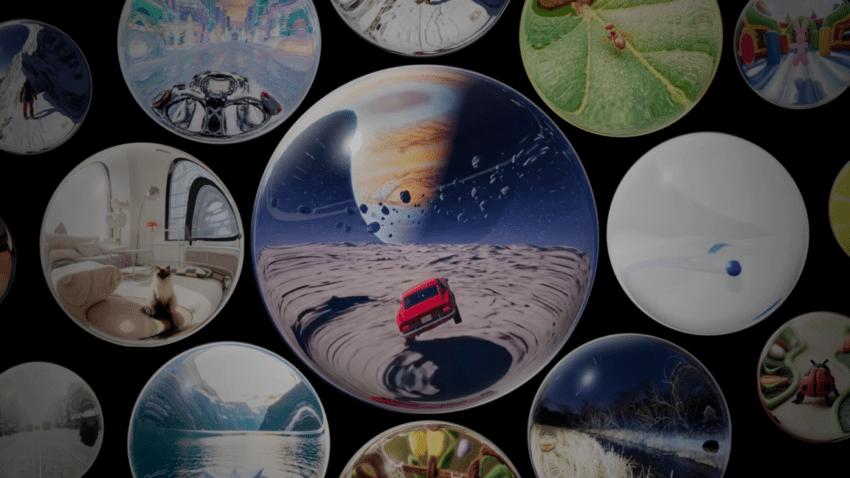
google project genie lets you create interactive Google has expanded access to its innovative Project Genie, allowing users to create interactive environments from simple prompts or images.
google project genie lets you create interactive
Overview of Project Genie
Project Genie represents a significant advancement in artificial intelligence and interactive technology. Initially showcased last year as Genie 3, this AI world model demonstrated remarkable capabilities, particularly in its long-term memory, which allowed it to generate dynamic environments based on user inputs. While the initial rollout was limited to a select group of trusted testers, the recent expansion signifies Google’s commitment to making this technology more accessible, albeit through its premium AI subscription service.
Understanding World Models
World models, as the name suggests, are AI systems designed to create and manage dynamic environments. Unlike traditional 3D modeling software, which requires extensive manual input and design, world models like Genie 3 utilize advanced algorithms to generate environments that respond to user actions in real-time. This means that users can explore these virtual spaces as if they were real, interactive worlds.
One of the standout features of Genie 3 is its ability to maintain a coherent narrative and environment over time. While the term “long-term memory” may suggest an extensive duration, in the context of Genie 3, it refers to the AI’s ability to remember details for a few minutes. This capability allows for a more immersive experience, as users can interact with the environment and see changes based on their inputs without losing the context of their previous actions.
Key Features of Project Genie
Project Genie builds upon the foundation laid by Genie 3, offering a more refined experience that integrates with Google’s latest AI models, including Nano Banana Pro and Gemini 3. Here are some of the key features that make Project Genie noteworthy:
- Dynamic Environment Creation: Users can generate interactive worlds by simply providing a text prompt or an image. This feature allows for a high degree of creativity and personalization, enabling users to craft unique environments tailored to their preferences.
- Pre-Built Worlds: Google has included a variety of pre-built worlds within Project Genie, allowing users to explore different themes and settings without needing to create their own from scratch. This feature is particularly useful for those who may not have the time or expertise to design their own environments.
- Integration with Advanced AI Models: The project leverages Google’s latest AI technologies, ensuring that users benefit from cutting-edge advancements in machine learning and natural language processing. This integration enhances the overall user experience, making interactions more fluid and responsive.
- Interactive Feedback: As users navigate through the generated worlds, they receive real-time feedback based on their actions. This interactivity is crucial for creating a sense of immersion, as users can see the consequences of their inputs reflected in the environment.
Use Cases and Applications
The potential applications for Project Genie are vast and varied. Here are some notable use cases:
- Education: Educators can use Project Genie to create interactive learning environments. For example, a history teacher could generate a virtual representation of ancient Rome, allowing students to explore the city and learn about its architecture and culture in an engaging manner.
- Gaming: Game developers can leverage Project Genie to prototype new game worlds quickly. By generating environments based on specific themes or narratives, developers can streamline the creative process and focus on gameplay mechanics.
- Art and Design: Artists and designers can use the platform to visualize their concepts in real-time. By providing a prompt or image, they can see how their ideas translate into a dynamic environment, facilitating the creative process.
- Virtual Tours: Businesses in the tourism sector can create virtual tours of destinations, allowing potential travelers to explore locations before making a booking. This feature could enhance customer engagement and drive interest in various travel experiences.
Challenges and Limitations
While Project Genie presents exciting possibilities, it is essential to acknowledge its limitations and challenges. One significant concern is the reliance on user input for creating environments. The quality and coherence of the generated worlds depend heavily on the prompts provided. Users may need to experiment with different inputs to achieve the desired results, which could be frustrating for some.
Additionally, the current memory capabilities of Genie 3, while impressive, are still limited. The ability to remember details for only a few minutes may restrict the complexity of interactions and narratives that can be developed within a single session. Users seeking a more extensive and intricate experience may find this limitation to be a drawback.
Stakeholder Reactions
The release of Project Genie has garnered attention from various stakeholders, including tech enthusiasts, educators, and industry professionals. Many have expressed excitement about the potential applications of the technology, particularly in education and gaming. The ability to create immersive environments quickly and easily is seen as a game-changer for these sectors.
However, some industry experts have raised concerns about the ethical implications of such technology. As AI-generated environments become more sophisticated, questions arise regarding ownership, copyright, and the potential for misuse. For instance, the ability to create realistic simulations could lead to the development of misleading or harmful content. Stakeholders are calling for guidelines and regulations to ensure responsible use of AI technologies like Project Genie.
Future Implications
The launch of Project Genie marks a significant step forward in the realm of interactive AI technologies. As Google continues to refine and expand the capabilities of this platform, several implications for the future can be anticipated:
- Increased Accessibility: As more users gain access to Project Genie, the democratization of interactive world creation will likely lead to a surge in creativity and innovation. Individuals from various backgrounds will have the opportunity to explore their ideas and bring them to life.
- Advancements in AI Technology: The ongoing development of AI models like Nano Banana Pro and Gemini 3 will enhance the capabilities of Project Genie. As these technologies evolve, users can expect even more sophisticated interactions and richer environments.
- Integration with Other Technologies: Future iterations of Project Genie may integrate with virtual reality (VR) and augmented reality (AR) technologies, creating even more immersive experiences. This convergence could redefine how users interact with digital content.
- Ethical Considerations: As the technology becomes more prevalent, discussions surrounding ethical use will become increasingly important. Stakeholders will need to collaborate to establish frameworks that promote responsible development and usage of AI-generated content.
Conclusion
Project Genie represents a significant leap forward in the field of interactive AI, offering users the ability to create dynamic worlds from simple prompts or images. While it is currently available only to subscribers of Google’s premium AI service, its potential applications span various sectors, including education, gaming, and design. As the technology continues to evolve, it will be crucial for stakeholders to address the challenges and ethical considerations that arise, ensuring that Project Genie and similar technologies are used responsibly and creatively.
Source: Original report
Was this helpful?
Explore more: AI Automation Services More AI & Automation Tech News
Last Modified: January 30, 2026 at 3:36 am
14 views