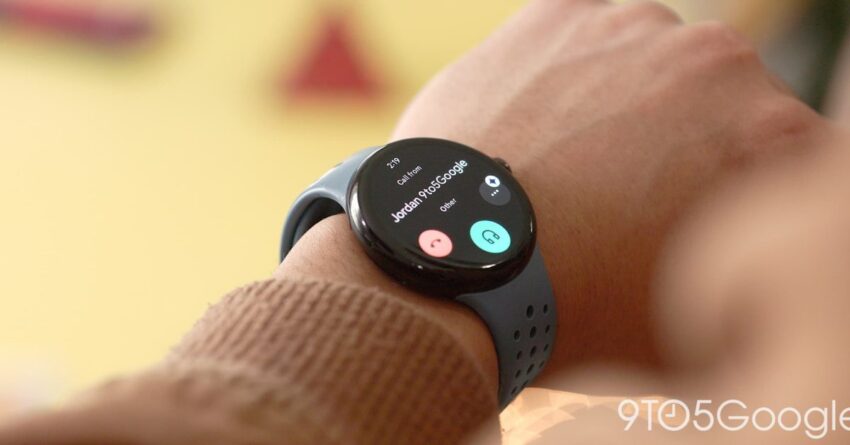
google phone app on wear os gets Google has unveiled a significant redesign of its Phone app on Wear OS, incorporating the Material 3 Expressive design language.
google phone app on wear os gets
Overview of the Redesign
The recent update to the Phone app on Wear OS marks a notable shift in design philosophy, aligning with Google’s Material 3 Expressive framework. This redesign not only enhances the aesthetic appeal of the app but also aims to improve user experience through intuitive navigation and functionality. The integration of Material 3 principles emphasizes personalization, accessibility, and a more cohesive visual identity across Google’s ecosystem.
Key Features of the Material 3 Expressive Redesign
The redesign introduces several key features that enhance the usability of the Phone app:
- Visual Updates: The app now showcases a more vibrant color palette and refined typography, making it visually appealing while ensuring readability.
- Dynamic Color Schemes: Leveraging Material You, the Phone app adapts its color scheme based on the user’s preferences and the overall theme of their device, creating a more personalized experience.
- Improved Navigation: The layout has been optimized for easier access to frequently used features, minimizing the number of taps required to perform common tasks.
- Enhanced Accessibility Features: The redesign includes options for larger text sizes and high-contrast modes, catering to users with varying visual needs.
Implications for Users
The redesign of the Phone app on Wear OS is poised to have several implications for users:
Enhanced User Experience
With the introduction of Material 3 Expressive, users can expect a more engaging and fluid interaction with the Phone app. The focus on personalization allows users to tailor the app to their preferences, which can lead to increased satisfaction and efficiency. The improved navigation structure means that users can quickly access essential features, such as call history and contacts, without unnecessary delays.
Accessibility Considerations
The emphasis on accessibility in the redesign is particularly noteworthy. By incorporating features that cater to users with different visual capabilities, Google demonstrates its commitment to inclusivity. This approach not only benefits individuals with disabilities but also enhances the overall usability of the app for all users. The availability of larger text sizes and high-contrast modes ensures that the app remains functional and user-friendly across a diverse audience.
Stakeholder Reactions
The response from stakeholders, including users and industry analysts, has been largely positive. Users have expressed enthusiasm about the visual updates and the potential for a more personalized experience. The integration of dynamic color schemes has been particularly well-received, as it allows the app to feel more integrated with the user’s device.
User Feedback
Many users have taken to social media platforms and forums to share their thoughts on the redesign. Common themes in user feedback include:
- Visual Appeal: Users appreciate the modern look of the app, noting that it feels fresh and contemporary compared to previous versions.
- Functionality: The improved navigation has been highlighted as a significant upgrade, with users reporting that they can access features more quickly and efficiently.
- Personalization: The ability to customize the color scheme based on personal preferences has resonated with users, who value the opportunity to make the app feel uniquely theirs.
Industry Analyst Insights
Industry analysts have also weighed in on the redesign, noting that it reflects a broader trend in app development towards user-centric design. The shift to Material 3 Expressive is seen as a strategic move by Google to enhance its competitive edge in the wearable technology market. Analysts suggest that this redesign could set a new standard for other app developers, encouraging them to adopt similar principles of personalization and accessibility.
Context of Material 3 Expressive
The Material 3 Expressive design language represents a significant evolution in Google’s design philosophy. Introduced as part of the broader Material You initiative, Material 3 aims to create a more cohesive and personalized user experience across devices and platforms. This design language emphasizes adaptability, allowing apps to respond to user preferences and environmental factors.
Historical Background
Material You was first introduced at Google I/O 2021, focusing on dynamic theming and personalization. The goal was to create a more harmonious relationship between users and their devices, allowing for a seamless transition between different applications and interfaces. The subsequent development of Material 3 Expressive builds on these principles, offering developers more tools to create visually engaging and user-friendly applications.
Broader Implications for Wear OS
The redesign of the Phone app is part of a larger effort by Google to revitalize Wear OS and enhance its appeal to users. With the growing competition in the wearable technology space, particularly from Apple and Samsung, Google is keen to establish Wear OS as a leading platform for smartwatches and other wearable devices. The integration of Material 3 Expressive into the Phone app is a strategic move to align the platform with contemporary design trends and user expectations.
Future Developments
Looking ahead, the redesign of the Phone app on Wear OS may pave the way for further updates across other Google applications. As Material 3 Expressive gains traction, it is likely that we will see more apps adopting this design language, enhancing the overall user experience across the Google ecosystem.
Potential for Further Integration
Google’s commitment to Material 3 Expressive suggests that future updates may include deeper integration between applications. For instance, features that allow for seamless transitions between the Phone app and other Google services, such as Messages or Google Assistant, could enhance user efficiency and satisfaction. The potential for cross-app functionality is an exciting prospect for users who rely on multiple Google services in their daily lives.
Continued Focus on User-Centric Design
The emphasis on user-centric design in the Phone app redesign reflects a broader industry trend towards prioritizing user experience. As technology continues to evolve, companies are increasingly recognizing the importance of creating products that resonate with users on a personal level. Google’s focus on personalization and accessibility in the Phone app is a testament to this shift, and it will be interesting to see how other companies respond in the coming years.
Conclusion
The Material 3 Expressive redesign of the Phone app on Wear OS represents a significant step forward in Google’s design philosophy. By prioritizing personalization, accessibility, and user experience, Google is not only enhancing the functionality of the Phone app but also setting a new standard for app development in the wearable technology space. As users embrace these changes, the implications for the broader ecosystem of Google applications and services will continue to unfold, potentially reshaping the way users interact with their devices.
Source: Original report
Was this helpful?
Explore more: Mobile App Development More Mobile Technology Tech News
Last Modified: June 17, 2026 at 6:35 am
10 views