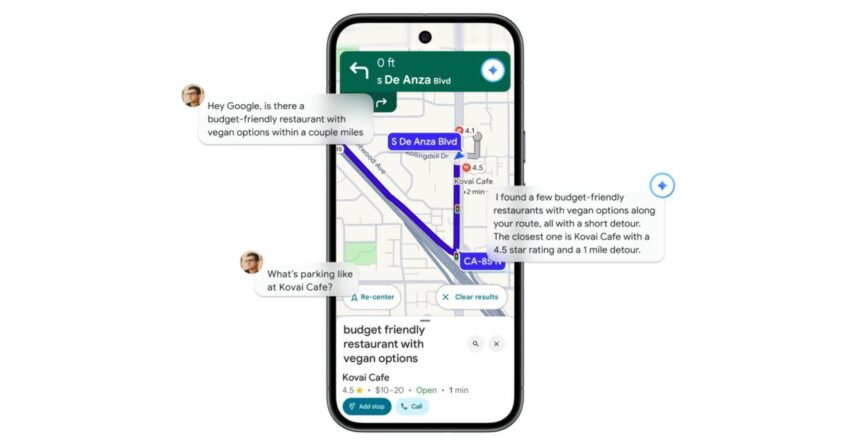
google maps limited view now hides reviews Google Maps has implemented a significant change that affects how signed-out users access information, particularly by concealing reviews and images.
google maps limited view now hides reviews
Overview of Google Maps’ Functionality
Google Maps has evolved from a simple navigation tool into a comprehensive platform that offers a wealth of information about locations worldwide. Users rely on it not only for directions but also for insights into local businesses, attractions, and services. The platform aggregates user-generated content, including reviews, photos, and ratings, which contribute to a richer understanding of various places. This data is invaluable for users seeking to make informed decisions about where to eat, shop, or visit.
Recent Changes to User Access
Recently, Google Maps has introduced a “limited view” mode for users who are not signed into their Google accounts. This change has sparked discussions among users and industry experts alike, as it alters the way information is presented to a significant segment of the app’s audience. The most notable aspect of this update is the removal of user-generated content, specifically reviews and images, for those who are not logged in.
Impact on User Experience
The decision to hide reviews and images for signed-out users raises questions about the overall user experience. For many, the ability to read reviews and view images is crucial when deciding on a restaurant, hotel, or tourist attraction. Without these insights, users may find it challenging to gauge the quality of a location, leading to potential dissatisfaction or missed opportunities.
For instance, a traveler looking for a place to dine may rely heavily on reviews to determine whether a restaurant meets their expectations. The absence of this information could result in a less informed choice, ultimately affecting their experience. This change could also lead to a reliance on other platforms that offer similar services, potentially diverting traffic away from Google Maps.
Reasons Behind the Change
While Google has not explicitly stated the reasons for this change, several factors may contribute to the decision. One possibility is the desire to encourage users to create accounts and engage more deeply with the platform. By limiting access to valuable content, Google may be incentivizing users to sign up for an account, thereby increasing user engagement and data collection.
Another reason could be related to content moderation and quality control. By restricting access to user-generated content for signed-out users, Google may be attempting to maintain a certain standard of quality and reliability. This could help mitigate the spread of misinformation or low-quality reviews that may not accurately reflect the experiences of the majority of users.
Stakeholder Reactions
The response to this change has been mixed among users and industry stakeholders. Some users have expressed frustration, feeling that they are being penalized for not having an account. Others argue that the decision could lead to a more engaged user base, as individuals may be more likely to create accounts to access the full range of features.
User Feedback
Many users have taken to social media and forums to voice their opinions on the change. Some have highlighted the inconvenience of not being able to access reviews and images, particularly when making spontaneous decisions while traveling. Others have pointed out that the lack of these features could diminish the overall utility of Google Maps as a resource for discovering new places.
In contrast, some users have welcomed the change, suggesting that it may lead to a more curated experience. They argue that by encouraging users to sign up, Google can foster a community of contributors who are more invested in the platform, potentially leading to higher-quality content.
Industry Perspectives
Industry experts have also weighed in on the implications of this change. Some analysts believe that it could signal a broader trend in how tech companies manage user-generated content. As platforms increasingly prioritize user engagement and data collection, similar changes may become more common across various services.
Additionally, this shift could have implications for businesses that rely on Google Maps for visibility. Restaurants, hotels, and other establishments often depend on positive reviews to attract customers. If potential patrons are unable to access this information, it could impact foot traffic and revenue.
Context and Implications
The change in Google Maps’ functionality comes at a time when user privacy and data security are at the forefront of public discourse. As users become more aware of how their data is being used, some may be hesitant to create accounts or share personal information. This could lead to a paradox where users are less willing to engage with a platform that requires sign-in for full functionality, ultimately affecting the quality and quantity of user-generated content.
Moreover, the decision to hide reviews and images may have broader implications for the competitive landscape of mapping and review platforms. Competitors like Yelp, TripAdvisor, and others may see an opportunity to attract users who are dissatisfied with the changes in Google Maps. If these platforms continue to offer unrestricted access to reviews and images, they could gain a competitive edge.
Future Considerations
As Google Maps continues to evolve, it will be essential for the company to monitor user feedback and engagement metrics closely. The success of this change will depend on how users adapt to the new limitations and whether they choose to create accounts to regain access to valuable content.
Furthermore, Google may need to consider additional strategies to enhance user engagement without alienating those who prefer to browse without signing in. This could include offering incentives for account creation, such as exclusive features or personalized recommendations based on user preferences.
Conclusion
The introduction of a “limited view” mode in Google Maps marks a significant shift in how signed-out users access information. By hiding reviews and images, Google is not only altering the user experience but also potentially reshaping the competitive landscape of mapping and review services. As users and industry stakeholders react to this change, it will be crucial for Google to navigate the balance between user engagement and accessibility to maintain its position as a leading resource for location-based information.
Source: Original report
Was this helpful?
Explore more: More Big Tech & Platforms Tech News Blog
Last Modified: February 19, 2026 at 8:41 am
24 views