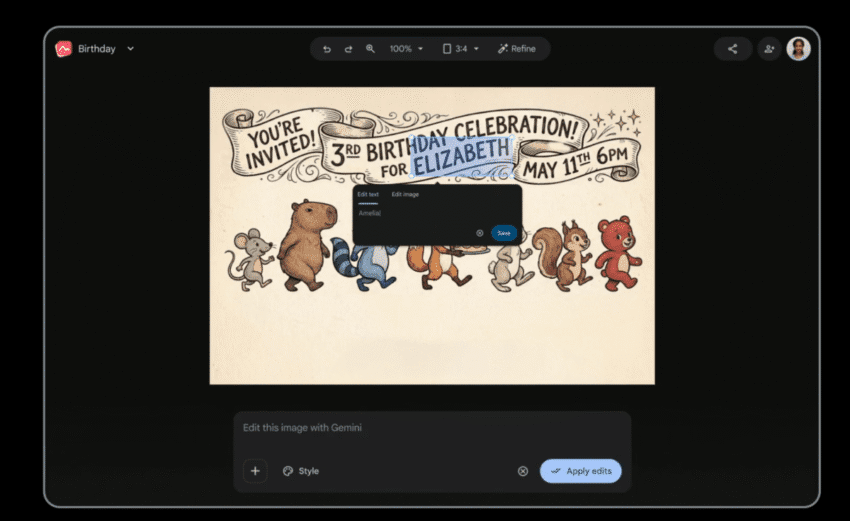
google just declared itself a contender in Google has officially positioned itself as a major player in the AI design space during its recent I/O 2026 conference.
google just declared itself a contender in
Introduction to Google’s AI Design Tools
At the I/O 2026 conference, Google unveiled its latest innovations in artificial intelligence, focusing on design tools that aim to democratize creativity. The tech giant emphasized that these tools are not just for professional designers but are accessible to a broad audience, including teachers, small business owners, and casual users. This move signals Google’s intent to make AI-driven design capabilities available to everyone, regardless of their technical expertise.
The Features of Google’s New AI Design Tools
Google’s new suite of AI design tools is built on advanced machine learning algorithms that can assist users in creating visually appealing content with minimal effort. Here are some of the standout features:
- User-Friendly Interface: The tools are designed with simplicity in mind, allowing users to navigate easily and utilize various features without extensive training.
- Template Library: A vast library of customizable templates is available, enabling users to start their projects with a solid foundation.
- Real-Time Collaboration: Users can collaborate in real-time, making it easier for teams to work together, regardless of their physical location.
- AI-Powered Suggestions: The tools provide intelligent suggestions for design elements, color schemes, and layouts based on user input and preferences.
- Accessibility Features: Google has integrated accessibility features to ensure that individuals with disabilities can also benefit from these design tools.
Target Audience and Accessibility
Google’s commitment to accessibility is evident in its design philosophy. The company aims to empower a diverse range of users, including:
- Educators: Teachers can utilize these tools to create engaging lesson materials and presentations.
- Small Business Owners: Entrepreneurs can design marketing materials, social media posts, and branding elements without needing extensive design skills.
- Casual Users: Individuals looking to create personal projects, such as invitations or photo albums, can easily navigate the tools.
This focus on accessibility aligns with broader trends in technology, where the goal is to make powerful tools available to a wider audience, thereby fostering creativity and innovation across various sectors.
Implications for the Design Industry
Google’s entry into the AI design space could have significant implications for the design industry as a whole. By making advanced design tools accessible to non-professionals, the company is likely to disrupt traditional design workflows and challenge established design software providers.
As more individuals gain access to powerful design capabilities, the demand for professional design services may shift. Freelancers and agencies might need to adapt their offerings to remain competitive, focusing on high-level strategy and unique creative insights rather than basic design execution.
Potential Challenges
While the introduction of AI design tools presents numerous opportunities, it also raises several challenges:
- Quality Control: As more users create designs using AI tools, maintaining quality across various projects could become a concern.
- Intellectual Property Issues: The ease of creating designs may lead to potential copyright infringements, as users may inadvertently replicate existing works.
- Over-Reliance on AI: There is a risk that users may become overly reliant on AI suggestions, potentially stifling their creativity and unique design perspectives.
Stakeholder Reactions
The announcement of Google’s AI design tools has elicited a range of reactions from various stakeholders in the tech and design communities. Here are some notable perspectives:
Design Professionals
Many professional designers have expressed mixed feelings about the introduction of AI design tools. While some see the potential for increased efficiency and collaboration, others worry that these tools may undermine the value of their expertise. “AI can enhance our work, but it shouldn’t replace the human touch that makes design truly impactful,” said a prominent designer in the industry.
Educators
Educators have largely welcomed the new tools, viewing them as a means to engage students in creative projects. “These tools can help students express their ideas visually, which is essential in today’s digital age,” commented a high school art teacher. The ability to create professional-looking materials can also enhance the learning experience, making lessons more interactive and engaging.
Small Business Owners
Small business owners have shown enthusiasm for the accessibility of these tools. Many entrepreneurs struggle with marketing due to limited budgets and resources. “Having access to user-friendly design tools can level the playing field for small businesses,” stated a local business owner. This sentiment reflects a growing trend where small businesses leverage technology to compete with larger corporations.
Comparative Analysis with Competitors
Google’s foray into AI design tools comes at a time when several other tech giants are also investing in similar capabilities. Companies like Adobe and Canva have established themselves in this space, offering robust design solutions. However, Google’s unique selling proposition lies in its integration with existing Google services, such as Google Drive and Google Workspace.
For instance, users can seamlessly import images from Google Photos or collaborate on projects using Google Docs. This interconnected ecosystem could give Google a competitive edge, as users may prefer a solution that integrates smoothly with the tools they already use.
Future Developments
Looking ahead, Google has hinted at plans to expand its AI design tools further. The company aims to incorporate user feedback to refine its offerings continually. Additionally, there are discussions about integrating augmented reality (AR) features, allowing users to visualize their designs in real-world settings.
As AI technology continues to evolve, Google is likely to explore more advanced functionalities, such as predictive design capabilities that anticipate user needs based on past behavior. This could further enhance the user experience and solidify Google’s position in the AI design landscape.
Conclusion
Google’s announcement at I/O 2026 marks a significant step in the evolution of AI design tools. By prioritizing accessibility and user-friendliness, the company aims to empower a diverse range of users, from educators to small business owners. While the implications for the design industry are profound, the potential challenges and stakeholder reactions highlight the complexities of integrating AI into creative processes. As Google continues to innovate in this space, the future of design may very well be shaped by the tools it provides.
Source: Original report
Was this helpful?
Explore more: AI Automation Services More AI & Automation Tech News
Last Modified: May 20, 2026 at 12:37 pm
18 views