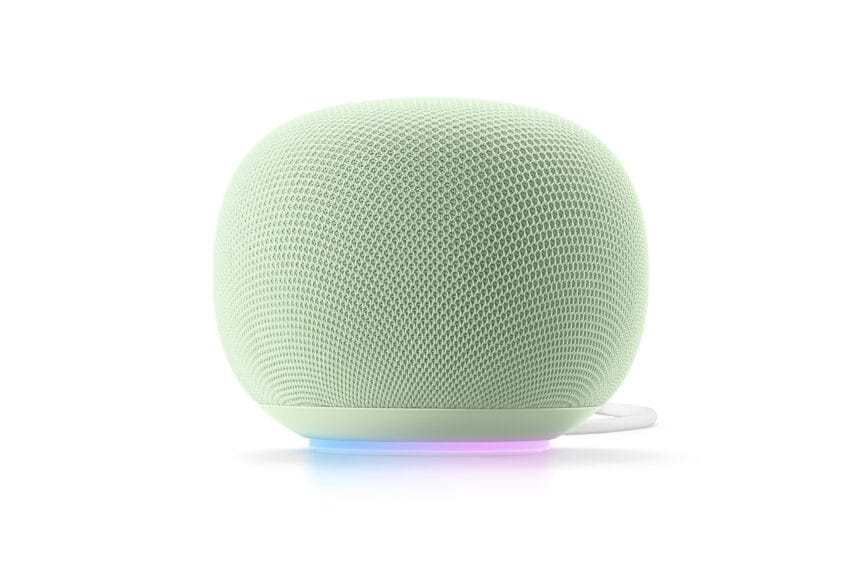
google gemini for home is rolling out Google smart home users in the US can now get an early taste of the new Gemini for Home assistant, which began rolling out in early access on Tuesday.
google gemini for home is rolling out
Overview of Gemini for Home
Gemini for Home represents a significant evolution in Google’s approach to smart home technology. Designed to replace the existing Google Assistant on Nest devices, this new assistant is built on the Gemini large language model (LLM). This advancement allows Gemini for Home to execute more complex tasks and engage users in a more conversational manner than its predecessor. The rollout of this feature is seen as a pivotal moment in enhancing the user experience within Google’s smart home ecosystem.
Key Features of Gemini for Home
Gemini for Home is not just an incremental update; it introduces several features aimed at improving functionality and user interaction. Some of the key features include:
- Enhanced Conversational Abilities: Gemini for Home is designed to understand context better, allowing for more natural and fluid conversations. This means users can ask follow-up questions without needing to repeat context, making interactions feel more intuitive.
- Complex Task Management: The assistant can handle multi-step tasks more efficiently. For instance, users can set up routines that involve multiple devices and actions, streamlining daily activities.
- Personalization: Gemini for Home learns from user interactions, allowing it to provide tailored responses and suggestions based on individual preferences and habits.
- Integration with Google Services: The assistant seamlessly integrates with other Google services, enhancing its utility for users already embedded in the Google ecosystem.
How to Access Gemini for Home Early
For those eager to experience Gemini for Home ahead of its full rollout, Google has established a process for requesting early access. Here’s a step-by-step guide on how to join the early access program:
Step-by-Step Access Instructions
- Visit Google Groups Settings: Start by navigating to your Google Groups settings. This is where you will manage your group memberships.
- Select Global Settings: Within the settings menu, locate and select the “Global Settings” option.
- Enable Group Membership: Ensure that the “Add me to their groups” option is checked. This step is crucial as it allows you to join the early access group once your request is approved.
- Open the Google Home App: After adjusting your settings, open the Google Home app on your device.
- Access Home Settings: Tap on your profile picture or initials, then navigate to “Home settings.”
- Request Early Access: Look for the “early access” option within the settings. Here, you can formally request access to Gemini for Home.
Once your request is submitted, you will need to wait for approval to join the early access group. If approved, Gemini for Home will replace Google Assistant on all compatible devices linked to your Google account.
What to Expect After Joining Early Access
After gaining access to Gemini for Home, users should be aware of a few important considerations:
Irreversible Transition
It is essential to note that once you switch to Gemini for Home, reverting back to Google Assistant is not an option. This decision underscores the importance of thoroughly understanding the new features and capabilities before making the switch.
Premium Features
While Gemini for Home offers a range of new functionalities, some features will require a paid Google Home Premium subscription. These premium features include:
- Gemini Live: This feature allows for real-time interactions and responses, enhancing the immediacy of user queries.
- Camera History Search: Users can search their camera history using Gemini for Home, providing a more efficient way to access recorded footage.
These premium features are designed to provide additional value for users willing to invest in a subscription, further enhancing the capabilities of the Gemini for Home assistant.
Implications for Smart Home Users
The introduction of Gemini for Home is poised to have significant implications for smart home users. As the assistant evolves, it is expected to redefine how users interact with their smart devices, making the experience more cohesive and user-friendly.
Impact on User Experience
With its enhanced conversational abilities and complex task management, Gemini for Home aims to create a more engaging user experience. Users can expect a more intuitive interaction model, which can lead to increased satisfaction and reliance on smart home technology. The ability to manage multiple devices and tasks seamlessly will likely encourage users to adopt more smart home products, further integrating technology into their daily lives.
Market Competition
The rollout of Gemini for Home also positions Google to compete more effectively against other smart home ecosystems, such as Amazon’s Alexa and Apple’s HomeKit. By offering a more advanced assistant, Google aims to capture a larger share of the smart home market. This competition could lead to further innovations and improvements across the board, benefiting consumers with better products and services.
Stakeholder Reactions
The early access rollout has garnered attention from various stakeholders, including tech enthusiasts, industry analysts, and existing Google Assistant users. Reactions have been mixed, with many expressing excitement about the potential improvements, while others remain cautious about the irreversible switch and the need for a premium subscription for certain features.
Consumer Enthusiasm
Many users are eager to explore the new capabilities of Gemini for Home, particularly its conversational abilities and task management features. Early adopters are often enthusiastic about being at the forefront of technological advancements, and the prospect of a more personalized assistant resonates well with this demographic.
Concerns About Subscription Models
On the other hand, some users have voiced concerns regarding the premium subscription model. The necessity to pay for additional features may deter some users, especially those who are accustomed to free services. This concern highlights the ongoing debate within the tech community about the balance between free services and monetization strategies.
Conclusion
The rollout of Gemini for Home marks a significant milestone in Google’s smart home strategy. By leveraging advanced technology and focusing on user experience, Google aims to redefine how users interact with their smart devices. As the early access program unfolds, it will be interesting to observe how users adapt to the new assistant and how it influences the broader smart home landscape.
For those interested in trying out Gemini for Home, the early access process is straightforward, though users should be mindful of the implications of making the switch. As Google continues to innovate, the future of smart home technology appears promising, with Gemini for Home leading the charge.
Source: Original report
Was this helpful?
Explore more: AI Automation Services More AI & Automation Tech News
Last Modified: October 29, 2025 at 7:39 pm
4 views