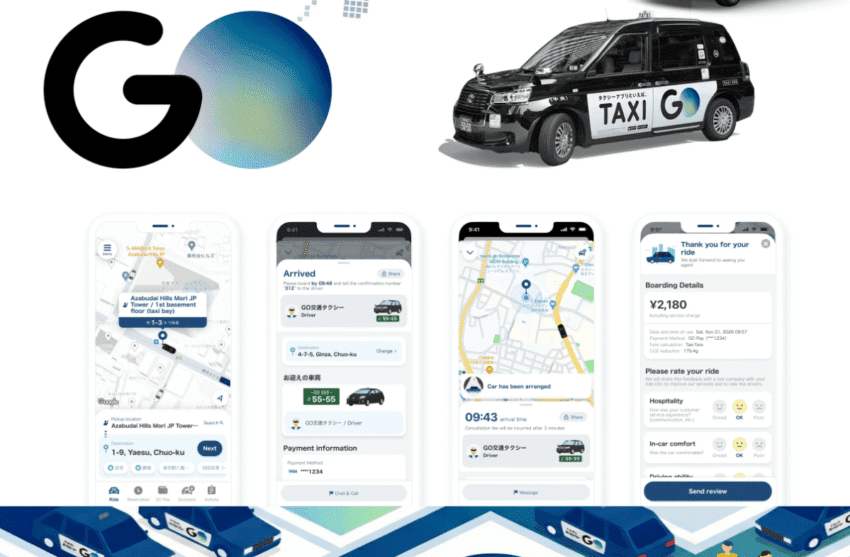
go eyes robotaxis and acquisitions after japan Go’s recent initial public offering (IPO) marks a significant turning point for the company and the broader landscape of Japan’s tech industry.
go eyes robotaxis and acquisitions after japan
Overview of Go’s IPO
Go’s IPO, which occurred on June 19, 2026, stands as Japan’s largest public offering this year, raising an impressive ¥88.6 billion (approximately $800 million). This influx of capital is particularly timely, as it arrives amid a sluggish period for public listings in Japan, where many companies have hesitated to enter the market due to economic uncertainty and fluctuating investor sentiment.
The successful IPO not only injects much-needed funds into Go but also serves as a beacon of hope for other tech companies contemplating public offerings. The listing has been seen as a vital step in revitalizing Japan’s IPO market, which has struggled to attract investors in recent years. Analysts suggest that Go’s success could pave the way for other startups and established companies to follow suit, potentially leading to a renaissance in Japan’s tech sector.
Addressing the Driver Shortage
One of the primary motivations behind Go’s IPO is to tackle a pressing issue in Japan: the shortage of taxi drivers. This problem has been exacerbated by the COVID-19 pandemic, which led to a significant decline in the number of individuals entering the profession. As a result, many taxi companies have struggled to meet demand, leading to longer wait times and decreased service quality for customers.
Go’s management has identified this driver shortage as an existential threat to the company’s business model. By leveraging the funds raised from the IPO, Go plans to implement several strategies aimed at alleviating this issue. These strategies include:
- Incentives for Drivers: Go intends to offer competitive compensation packages and bonuses to attract new drivers to the platform. This could involve higher base pay, flexible working hours, and additional benefits to make the profession more appealing.
- Driver Training Programs: The company is also looking to invest in training programs to help new drivers enter the workforce more quickly and efficiently. This initiative aims to streamline the onboarding process and ensure that drivers are well-prepared to meet customer expectations.
- Partnerships with Educational Institutions: Go is exploring partnerships with vocational schools and universities to create pathways for students to enter the taxi industry. By collaborating with educational institutions, Go hopes to attract younger individuals to the profession and address the aging workforce issue.
Expansion into Robotaxis
In addition to addressing the driver shortage, Go has set its sights on the emerging market for autonomous vehicles, specifically robotaxis. The company envisions a future where self-driving cars could supplement its existing fleet, reducing reliance on human drivers and enhancing operational efficiency.
The move into robotaxis aligns with global trends in the automotive and transportation sectors, where companies are increasingly investing in autonomous technology. Go’s leadership believes that by entering this market early, the company can establish itself as a leader in Japan’s robotaxi space.
Investment in Technology
To facilitate its transition into the robotaxi market, Go plans to allocate a portion of the IPO proceeds toward research and development (R&D) in autonomous vehicle technology. This investment will focus on several key areas:
- Artificial Intelligence (AI): Go aims to enhance its AI capabilities to improve the safety and efficiency of its autonomous vehicles. This includes developing advanced algorithms for navigation, obstacle detection, and real-time decision-making.
- Partnerships with Tech Firms: The company is actively seeking partnerships with technology firms specializing in autonomous driving solutions. Collaborating with established players in the tech industry could accelerate Go’s development timeline and provide access to cutting-edge innovations.
- Regulatory Compliance: As Go ventures into the robotaxi market, it will need to navigate complex regulatory frameworks governing autonomous vehicles. The company plans to work closely with government agencies to ensure compliance and advocate for favorable regulations that support the growth of the robotaxi industry.
Market Implications
Go’s IPO and subsequent plans for expansion into robotaxis have significant implications for the broader transportation landscape in Japan. The company’s success could inspire other startups to pursue similar strategies, leading to increased competition in the taxi-hailing and autonomous vehicle markets.
Moreover, Go’s focus on addressing the driver shortage through innovative solutions could set a precedent for other companies facing similar challenges. As the demand for transportation services continues to grow, companies that can effectively adapt to changing market conditions will likely emerge as leaders in the industry.
Stakeholder Reactions
The reaction from stakeholders has been largely positive. Investors have expressed optimism about Go’s growth potential, particularly in light of its plans to diversify its services and invest in technology. The successful IPO has also bolstered investor confidence in the Japanese tech sector, which has been under pressure in recent years.
Industry analysts have noted that Go’s strategic initiatives could position the company for long-term success. By addressing the driver shortage and investing in autonomous technology, Go is taking proactive steps to ensure its competitiveness in a rapidly evolving market.
Challenges Ahead
Despite the positive outlook, Go faces several challenges as it embarks on its ambitious plans. The taxi industry in Japan is highly regulated, and navigating the regulatory landscape for both traditional taxi services and robotaxis will require careful planning and execution.
Additionally, the competition in the ride-hailing market is intensifying, with both domestic and international players vying for market share. Go will need to differentiate itself from competitors by delivering exceptional service and innovative solutions to attract and retain customers.
Consumer Sentiment
Consumer sentiment will also play a crucial role in Go’s success. As the company introduces new services and technologies, it must ensure that customers feel comfortable and confident in using its platform. Building trust in autonomous vehicles will be particularly important, as public perception of self-driving technology remains mixed.
Conclusion
Go’s IPO represents a pivotal moment for the company and the Japanese tech industry as a whole. With the capital raised from the IPO, Go is well-positioned to tackle the pressing issue of driver shortages while simultaneously exploring the promising market for robotaxis. The company’s strategic initiatives could not only enhance its competitive edge but also contribute to the revitalization of Japan’s transportation sector.
As Go navigates the challenges ahead, its ability to adapt and innovate will be critical to its long-term success. The coming years will be crucial for the company as it seeks to establish itself as a leader in both traditional taxi services and the emerging field of autonomous transportation.
Source: Original report
Was this helpful?
Explore more: More Business & Startups Tech News Blog
Last Modified: June 20, 2026 at 3:39 am
13 views