get grok gone advocacy groups demand apple Advocacy groups are urging Apple and Google to remove the social media platform X and its associated app Grok from their app stores due to the proliferation of nonconsensual sexual deepfakes.
get grok gone advocacy groups demand apple
Background on the Issue
The emergence of deepfake technology has raised significant ethical and legal concerns, particularly regarding the creation of nonconsensual intimate images (NCII). These images often involve the manipulation of existing photographs or videos to place individuals in compromising situations without their consent. This issue has gained particular traction in recent years, with various platforms struggling to manage the consequences of such content.
X, formerly known as Twitter, has become a focal point for these concerns. The platform has been criticized for its handling of harmful content, including NCII and child sexual abuse material (CSAM). Despite the clear violation of community standards and legal statutes, both X and the AI tool Grok remain available on Apple and Google’s app stores.
Open Letters from Advocacy Groups
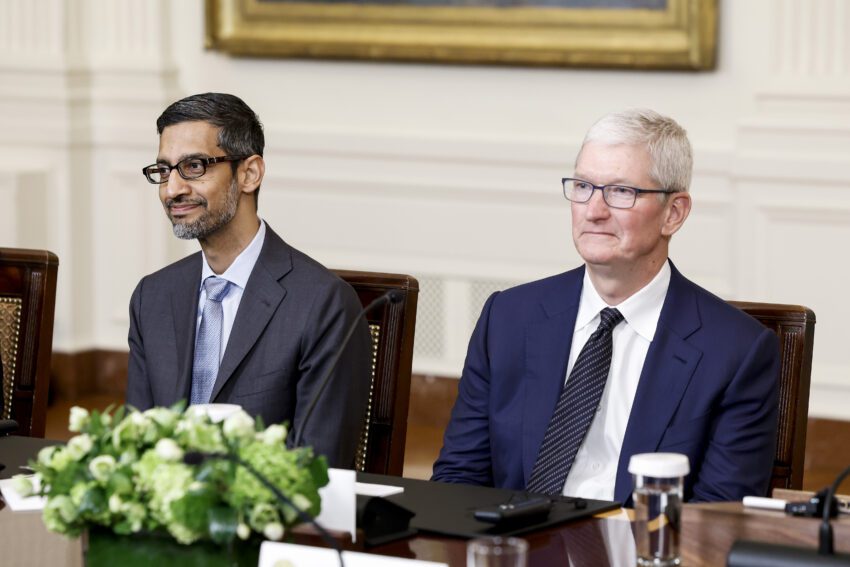
On Wednesday, a coalition of 28 advocacy groups, including women’s organizations and tech watchdogs, published two open letters directed at Apple CEO Tim Cook and Google CEO Sundar Pichai. These letters demand immediate action to remove X and Grok from their respective app stores. The coalition argues that both platforms are not only violating their own policies but also enabling the spread of harmful content.
Content of the Letters
The letters explicitly state that Grok is being utilized to generate a significant volume of NCII, which includes CSAM. This type of content is not only illegal but also a direct violation of Apple’s App Review Guidelines. The advocacy groups contend that the availability of Grok on app stores facilitates the creation and distribution of such material, thereby exacerbating the problem.
One of the letters highlights the responsibility of tech companies to ensure that their platforms do not contribute to the proliferation of harmful content. It states, “Grok is being used to create mass amounts of nonconsensual intimate images, including child sexual abuse material—content that is both a criminal offense and in direct violation of Apple’s App Review Guidelines.” The letter calls for both companies to take a stand against this issue and prioritize user safety.
Implications of Noncompliance
The failure of Apple and Google to act on these demands could have far-reaching implications. By allowing X and Grok to remain in their app stores, these companies may inadvertently signal that they condone the creation and distribution of NCII and CSAM. This could lead to increased scrutiny from regulators, advocacy groups, and the general public.
Furthermore, the presence of such content on major platforms raises questions about the effectiveness of existing policies and the commitment of these tech giants to user safety. If Apple and Google do not take action, they may face backlash from users who expect these companies to uphold ethical standards and protect vulnerable populations.
Stakeholder Reactions
The open letters have elicited a range of responses from various stakeholders. Advocacy groups have expressed frustration over the slow response from Apple and Google. Many argue that the companies have a moral obligation to act swiftly to protect users from harmful content. The coalition emphasizes that the technology used to create deepfakes is advancing rapidly, and without intervention, the situation could worsen.
On the other hand, some industry analysts have pointed out the challenges that tech companies face in moderating content effectively. The sheer volume of user-generated content makes it difficult to monitor and remove harmful material consistently. However, critics argue that this should not serve as an excuse for inaction, especially when the consequences of such content can be devastating.
Legal and Ethical Considerations
The legal landscape surrounding NCII and CSAM is complex and varies by jurisdiction. In many regions, the creation and distribution of such content are criminal offenses, and tech companies can be held liable for failing to act against it. The advocacy groups’ letters highlight this legal responsibility, urging Apple and Google to take proactive measures to comply with existing laws and protect their users.
Ethically, the situation raises questions about the responsibilities of tech companies in safeguarding user welfare. As platforms that facilitate communication and content sharing, Apple and Google have a duty to ensure that their services are not misused for harmful purposes. The letters argue that allowing X and Grok to remain on app stores undermines this ethical obligation.
Potential Actions by Apple and Google
In response to the advocacy groups’ demands, Apple and Google have several options. They could choose to remove X and Grok from their app stores, which would send a strong message about their commitment to user safety. Alternatively, they could implement stricter content moderation policies and invest in technology to detect and remove harmful material more effectively.
Another potential action could involve collaborating with advocacy groups to develop better reporting mechanisms for users to flag harmful content. This would empower users to take an active role in maintaining the integrity of the platforms while also providing companies with valuable data to improve their moderation efforts.
The Role of Technology in Addressing the Issue
As technology continues to evolve, so too do the methods used to create and distribute harmful content. The rise of AI tools like Grok has made it easier for individuals to generate deepfakes, complicating the efforts of tech companies to combat this issue. However, advancements in technology also present opportunities for solutions.
For instance, machine learning algorithms can be trained to identify and flag NCII and CSAM more effectively. By investing in these technologies, Apple and Google could enhance their content moderation capabilities and better protect users from harmful material.
Conclusion
The ongoing situation surrounding X and Grok highlights the urgent need for tech companies to take a stand against harmful content. The open letters from advocacy groups serve as a clarion call for Apple and Google to prioritize user safety and uphold ethical standards. As the landscape of digital content continues to evolve, the responsibility of tech companies to protect their users will only grow.
Inaction could lead to severe consequences, not only for the companies involved but also for the vulnerable individuals affected by NCII and CSAM. The time for decisive action is now, and the eyes of the public, regulators, and advocacy groups are firmly fixed on Apple and Google as they navigate this critical issue.
Source: Original report
Was this helpful?
Explore more: Application Audit & Review More Cybersecurity Tech News
Last Modified: January 15, 2026 at 7:41 pm
22 views