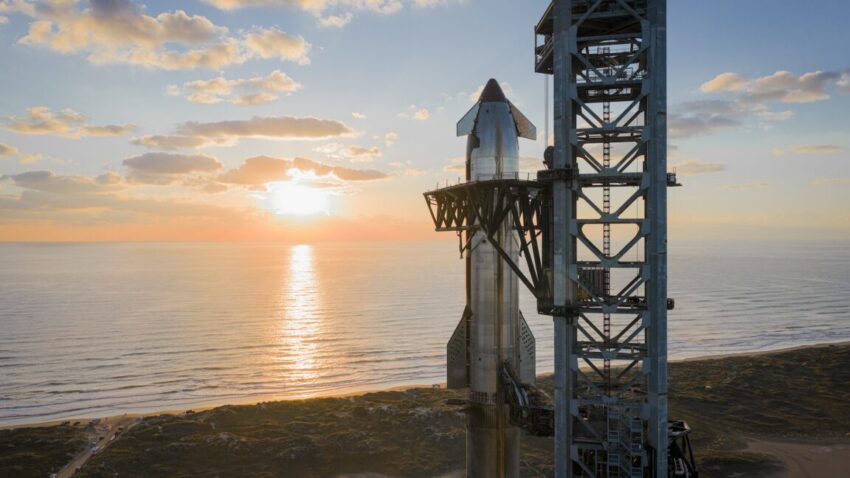
famously secret about its finances spacex opens SpaceX has unveiled its financial details for the first time in nearly 25 years, marking a significant shift in its operational transparency as it prepares for an initial public offering.
famously secret about its finances spacex opens
Overview of SpaceX’s Financial Disclosure
On Wednesday afternoon, SpaceX submitted a comprehensive S-1 filing to the U.S. Securities and Exchange Commission (SEC), a document that spans nearly 400 pages. This filing is a crucial step for the company as it gears up for its anticipated initial public offering (IPO), which could occur as early as June 12, 2026. Founded in 2002 by Elon Musk, SpaceX has maintained a reputation for secrecy regarding its financial operations, making this disclosure a noteworthy event in the aerospace industry.
The Significance of the S-1 Filing
The S-1 filing is a formal document that companies must submit to the SEC before going public. It contains essential information about the company’s financial health, business model, and risks associated with investing in the company. For SpaceX, this filing not only reveals its financial performance but also provides insights into its expansive operations, which have evolved significantly since its inception.
While the filing did not disclose any major surprises regarding the company’s core space operations, it did offer a wealth of information about its diverse business activities. SpaceX has diversified its portfolio to include not just rocket launches and space missions but also space-based internet services and, following its recent acquisition of Musk’s xAI, ventures into social media and artificial intelligence.
Key Financial Insights from the Filing
One of the most anticipated aspects of the S-1 filing was the financial data it contained. Although specific figures have not been publicly detailed, the document provides a clearer picture of SpaceX’s revenue streams, expenditures, and overall financial health.
Revenue Streams
SpaceX generates revenue from several key areas:
- Launch Services: The company has established itself as a leader in the commercial launch market, providing services to both government and commercial clients. Its Falcon 9 and Falcon Heavy rockets have been instrumental in launching satellites, resupplying the International Space Station (ISS), and deploying payloads for various missions.
- Starlink: SpaceX’s satellite internet service, Starlink, has rapidly gained traction, with thousands of satellites already in orbit. The service aims to provide high-speed internet access to underserved areas globally, contributing significantly to the company’s revenue.
- Government Contracts: SpaceX has secured numerous contracts with NASA and the U.S. Department of Defense, further solidifying its position in the aerospace sector.
- New Ventures: The acquisition of xAI indicates SpaceX’s interest in expanding into artificial intelligence and social media, potentially opening new revenue avenues.
Expenditures and Investments
While the filing sheds light on revenue, it also highlights the company’s expenditures. SpaceX has made substantial investments in research and development, particularly in its Starship program, which aims to facilitate human missions to Mars and beyond. These investments are critical for maintaining its competitive edge in the rapidly evolving aerospace industry.
Additionally, the costs associated with launching rockets, maintaining infrastructure, and developing new technologies contribute to the company’s overall expenditures. The S-1 filing provides a more detailed breakdown of these costs, allowing potential investors to assess the company’s financial stability and growth potential.
Market Context and Implications
The timing of SpaceX’s IPO is particularly significant given the current market conditions. The aerospace sector has seen a resurgence in interest and investment, driven by advancements in technology and a growing demand for satellite services. SpaceX’s entry into the public market could further stimulate interest in the industry, attracting both institutional and retail investors.
Investor Sentiment
Investor sentiment surrounding SpaceX’s IPO is largely positive. The company has demonstrated consistent growth and innovation, positioning itself as a leader in the aerospace sector. However, potential investors will need to consider the inherent risks associated with investing in a company that operates in a highly regulated and competitive environment.
Moreover, the recent acquisition of xAI has raised questions about the company’s focus and direction. While the move could diversify SpaceX’s revenue streams, it also introduces new challenges and uncertainties. Investors will be keen to understand how SpaceX plans to integrate these new ventures into its existing operations.
Stakeholder Reactions
The release of the S-1 filing has elicited a range of reactions from stakeholders, including investors, industry analysts, and competitors.
Investor Reactions
Many investors are optimistic about SpaceX’s future, viewing the IPO as an opportunity to invest in a company that has consistently pushed the boundaries of space exploration. The detailed financial disclosure provides a level of transparency that was previously lacking, allowing investors to make more informed decisions.
Industry Analysts’ Perspectives
Industry analysts have noted that SpaceX’s IPO could set a precedent for other private aerospace companies considering going public. The success of SpaceX’s IPO may encourage other firms to follow suit, potentially leading to a wave of public offerings in the sector. Analysts are closely monitoring the market’s response to SpaceX’s financial disclosure, as it could influence the broader landscape of aerospace investments.
Competitor Responses
Competitors in the aerospace industry are likely to view SpaceX’s IPO with a mix of concern and interest. The company’s established reputation and innovative capabilities pose a significant challenge to other players in the market. Competitors may need to reassess their strategies in light of SpaceX’s public offering, particularly as the company continues to expand its operations and diversify its revenue streams.
Future Outlook
As SpaceX prepares for its IPO, the future outlook for the company remains promising. The S-1 filing has provided a clearer understanding of its financial health and operational scope, but several factors will influence its success in the public market.
Technological Advancements
Technological advancements will play a crucial role in SpaceX’s continued growth. The company is heavily invested in developing its Starship spacecraft, which is designed for deep-space missions, including potential crewed missions to Mars. Successful testing and deployment of Starship will be vital for maintaining investor confidence and attracting new capital.
Market Dynamics
The dynamics of the aerospace market will also impact SpaceX’s performance post-IPO. As demand for satellite services and space exploration continues to grow, SpaceX is well-positioned to capitalize on these trends. However, competition from both established players and new entrants could pose challenges.
Regulatory Environment
The regulatory environment surrounding space operations is complex and continually evolving. SpaceX must navigate various regulations and compliance requirements as it expands its operations. Any changes in regulations could impact the company’s growth trajectory and investor sentiment.
Conclusion
SpaceX’s decision to disclose its financial details through the S-1 filing marks a significant milestone in its journey as a private company. As it prepares for its IPO, the company is poised to attract considerable attention from investors and industry stakeholders alike. The insights gained from the filing provide a clearer picture of SpaceX’s operations and financial health, setting the stage for what could be a transformative moment in the aerospace industry.
Source: Original report
Was this helpful?
Explore more: More Business & Startups Tech News Blog
Last Modified: May 21, 2026 at 8:36 am
14 views