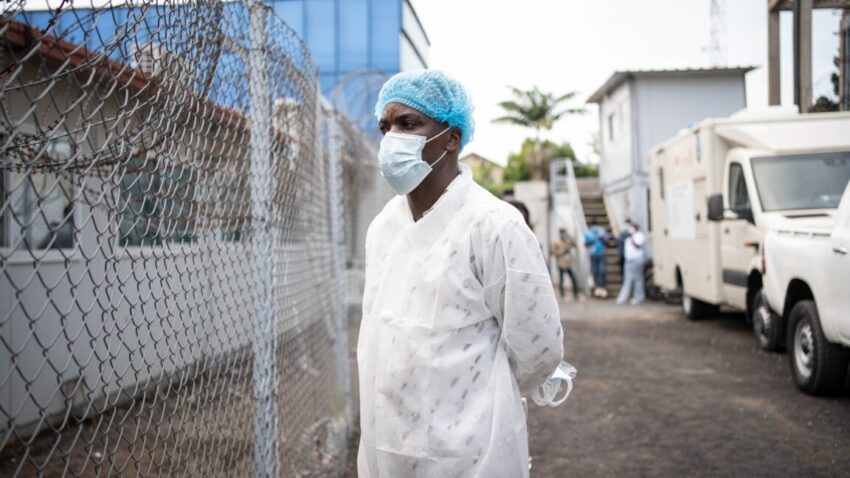
trump admin didn t want ebola-exposed americans An American infected with Ebola is being treated in Berlin, while another exposed to the deadly virus is being sent to Prague after the White House reportedly resisted allowing citizens to return to the US for care and monitoring.
trump admin didn t want ebola-exposed americans
Background on the Ebola Outbreak
The Ebola virus, first identified in 1976, has caused several outbreaks, particularly in African nations. The Democratic Republic of the Congo (DRC) has been a hotspot for the virus, with numerous outbreaks reported over the years. The most recent outbreak, which began in 2021, has raised significant concerns among health officials globally. The virus is transmitted through direct contact with bodily fluids of infected individuals, and it can lead to severe symptoms, including fever, vomiting, and internal bleeding. The mortality rate for Ebola can be as high as 90%, depending on the strain and the timeliness of treatment.
The Situation of Peter Stafford
Peter Stafford, a 39-year-old surgeon, was working in the DRC during this ongoing outbreak. His role involved treating patients infected with the virus, placing him at significant risk of exposure. Reports indicate that Stafford began developing symptoms over the weekend, prompting urgent discussions about his evacuation and treatment. However, sources close to the situation revealed that the Trump administration was hesitant to allow him to return to the United States for care.
Delay in Evacuation
The reported resistance from the White House to facilitate Stafford’s return has raised alarms among health experts and officials. Delays in treatment for Ebola can have dire consequences, as the disease can progress rapidly. Experts emphasize that early intervention is crucial for improving survival rates. The Centers for Disease Control and Prevention (CDC) has been closely monitoring the situation, and their involvement underscores the seriousness of the outbreak and the need for timely medical responses.
CDC’s Response
On Monday, the CDC confirmed that Stafford had tested positive for Ebola late Sunday, following the onset of symptoms. In a press briefing on Wednesday, Satish Pillai, the CDC’s incident response manager for the Ebola outbreak, provided updates on Stafford’s condition. He reported that Stafford had been successfully evacuated to Germany and was currently in stable condition. This information is crucial for public health officials, as it indicates that Stafford is receiving the necessary care in a facility equipped to handle Ebola cases.
Family’s Situation
Alongside Peter Stafford, his wife, Rebekah Stafford, who is also a doctor and had been exposed to the virus, was flown to Germany. Fortunately, she is asymptomatic, which is a positive sign in terms of her health. The couple’s four children were also evacuated and are now in Germany with their parents. The evacuation of the entire family highlights the complexities involved in managing Ebola cases, especially when family members are also at risk of exposure.
International Response and Treatment Facilities
Germany has established itself as a leader in treating Ebola patients, with specialized facilities designed to handle such cases. The country’s health system has been praised for its preparedness and response capabilities, particularly in dealing with infectious diseases. The decision to send Stafford to Berlin reflects an understanding of the importance of providing care in a controlled environment where health professionals are trained to manage Ebola cases effectively.
Implications of the Administration’s Decision
The Trump administration’s reluctance to allow Stafford’s return to the U.S. raises questions about the government’s approach to handling infectious disease outbreaks. Critics argue that prioritizing political considerations over public health can have severe consequences. The decision not to facilitate the return of American citizens exposed to a deadly virus could undermine trust in government institutions and public health agencies.
Stakeholder Reactions
Reactions from various stakeholders have been mixed. Health experts have expressed concern about the implications of delaying care for individuals exposed to Ebola. Many emphasize that the health and safety of citizens should be the top priority, especially in the face of a public health crisis. Additionally, public health officials have called for more transparent communication from the government regarding its policies on handling infectious diseases.
Public Health Communication
Effective communication is critical during health crises, and the administration’s handling of Stafford’s case has highlighted the need for clear guidelines and protocols. Public health agencies must work collaboratively with government officials to ensure that decisions are made based on scientific evidence and the best interests of public health. The situation underscores the importance of having a coordinated response to infectious disease outbreaks, particularly when American citizens are involved.
Lessons Learned from Previous Outbreaks
Historically, the U.S. has faced challenges in managing infectious disease outbreaks. The Ebola outbreak in West Africa from 2014 to 2016 serves as a poignant example of the need for rapid response and effective communication. During that outbreak, the U.S. government faced criticism for its handling of the situation, particularly regarding the treatment of American healthcare workers who contracted the virus while providing aid in affected regions.
Preparedness and Response Strategies
In light of past experiences, health officials emphasize the importance of preparedness and response strategies. This includes having protocols in place for the rapid evacuation and treatment of individuals exposed to infectious diseases. The current situation with Peter Stafford serves as a reminder of the need for ongoing training and resources for healthcare professionals working in high-risk areas.
Looking Ahead
As the situation develops, it is crucial for health officials and government leaders to prioritize the health and safety of American citizens. The case of Peter Stafford highlights the complexities involved in managing infectious diseases, particularly when international travel and exposure are factors. Moving forward, it will be essential to ensure that policies are in place to facilitate timely care for individuals exposed to Ebola and other infectious diseases.
Future Implications for Public Health Policy
The Trump administration’s decision-making process regarding Stafford’s evacuation may have long-term implications for public health policy. As the world continues to grapple with infectious diseases, it is imperative that government officials prioritize the health of citizens over political considerations. The lessons learned from this incident should inform future responses to public health crises, ensuring that timely and effective care is accessible to those in need.
In conclusion, the case of Peter Stafford serves as a critical reminder of the importance of swift action in the face of infectious disease outbreaks. The response from the CDC and the decision to evacuate Stafford and his family to Germany reflect a commitment to providing necessary care. However, the initial resistance from the Trump administration raises questions about the prioritization of public health in decision-making processes. As the global community continues to confront health challenges, it is essential to learn from past experiences and ensure that the health and safety of citizens remain paramount.
Source: Original report
Was this helpful?
Explore more: More General Technology Tech News Blog
Last Modified: May 21, 2026 at 8:37 am
9 views