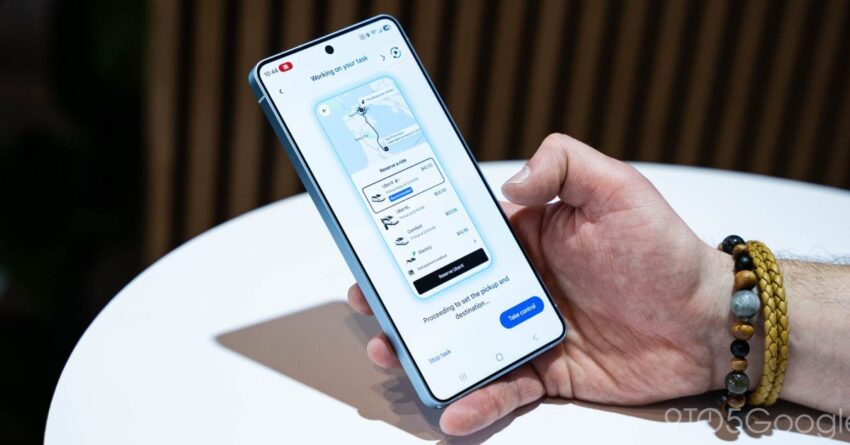
gemini screen automation rolling out to pixel Gemini screen automation is now being rolled out to the Pixel 10 series, following its recent availability on the Galaxy S26, as part of the March 2026 Feature Drop.
gemini screen automation rolling out to pixel
Overview of Gemini Screen Automation
Gemini screen automation is a significant feature that enhances user experience by automating various tasks on smartphones. This technology utilizes advanced algorithms and machine learning to optimize screen interactions, making it easier for users to navigate their devices. The rollout to the Pixel 10 series marks an important step in Google’s ongoing efforts to integrate innovative features across its product lines.
Key Features of Gemini Screen Automation
The Gemini screen automation system introduces a range of functionalities designed to streamline user interactions. Some of the notable features include:
- Smart Notifications: Gemini can prioritize notifications based on user behavior, ensuring that the most relevant alerts are displayed prominently.
- Contextual Awareness: The system can adapt the screen layout and functionality based on the user’s current activity, such as reading, gaming, or browsing.
- Gesture Recognition: Users can navigate their devices using intuitive gestures, reducing the need for physical buttons and enhancing accessibility.
- Adaptive Brightness and Color Settings: The automation can adjust screen brightness and color profiles based on ambient lighting conditions and user preferences.
Impact on User Experience
The introduction of Gemini screen automation is expected to significantly enhance the user experience for Pixel 10 series owners. By automating routine tasks and adapting to user preferences, the feature aims to make smartphone usage more intuitive and efficient.
Improved Efficiency
With the ability to prioritize notifications and automate common tasks, users can expect to spend less time managing their devices and more time enjoying their content. This efficiency is particularly beneficial for users who rely on their smartphones for both personal and professional tasks.
Enhanced Accessibility
Gesture recognition and contextual awareness are vital components of Gemini screen automation that contribute to improved accessibility. These features can assist users with disabilities or those who may struggle with traditional navigation methods. By providing alternative ways to interact with the device, Google is taking steps toward inclusivity in technology.
Comparison with Galaxy S26 Implementation
The rollout of Gemini screen automation to the Pixel 10 series follows its initial launch on the Galaxy S26. This comparison sheds light on how different manufacturers implement similar technologies and the potential variations in user experience.
Samsung’s Approach
Samsung has integrated Gemini screen automation into its Galaxy S26 with a focus on enhancing multitasking capabilities. The feature allows users to run multiple applications simultaneously with ease, leveraging the device’s hardware capabilities. Samsung’s implementation emphasizes performance, aiming to provide a seamless experience for power users.
Google’s Unique Features
While both devices share the core functionalities of Gemini screen automation, Google’s implementation on the Pixel 10 series is tailored to its software ecosystem. The integration with Google Assistant and other native applications allows for a more cohesive experience, particularly for users who heavily utilize Google’s services.
Stakeholder Reactions
The rollout of Gemini screen automation has garnered attention from various stakeholders, including tech enthusiasts, industry analysts, and consumers. Initial reactions have been largely positive, with many praising the potential benefits of the feature.
Consumer Feedback
Early adopters of the Pixel 10 series have expressed excitement about the new capabilities offered by Gemini screen automation. Users have reported that the feature enhances their daily interactions with the device, making tasks like managing notifications and adjusting settings more straightforward. However, some users have noted that there is a learning curve associated with the new gesture controls.
Industry Analyst Insights
Industry analysts have highlighted the significance of Gemini screen automation in the broader context of smartphone evolution. As devices become increasingly sophisticated, the demand for intuitive and adaptive features is growing. Analysts suggest that this trend could influence future smartphone designs and functionalities across various manufacturers.
Future Implications for Google and the Smartphone Market
The rollout of Gemini screen automation represents a strategic move for Google as it seeks to differentiate its Pixel line from competitors. By focusing on user experience and automation, Google is positioning itself as a leader in smartphone innovation.
Potential for Expansion
As Gemini screen automation continues to evolve, there is potential for Google to expand its capabilities further. Future updates could introduce additional features such as enhanced AI-driven suggestions, deeper integration with smart home devices, and improved customization options for users.
Competitive Landscape
The introduction of advanced automation features like Gemini may prompt other smartphone manufacturers to enhance their offerings. As consumers increasingly seek devices that can adapt to their needs, competition in the smartphone market is likely to intensify. This could lead to a surge in innovation as companies strive to keep pace with advancements in automation and user experience.
Conclusion
The rollout of Gemini screen automation to the Pixel 10 series marks a significant advancement in smartphone technology, enhancing user experience through automation and intuitive design. As Google continues to refine this feature, the implications for both consumers and the broader smartphone market are profound. The focus on accessibility, efficiency, and contextual awareness positions Google as a forward-thinking leader in the industry, paving the way for future innovations.
Source: Original report
Was this helpful?
Explore more: AI Automation Services More AI & Automation Tech News
Last Modified: March 18, 2026 at 8:21 am
14 views