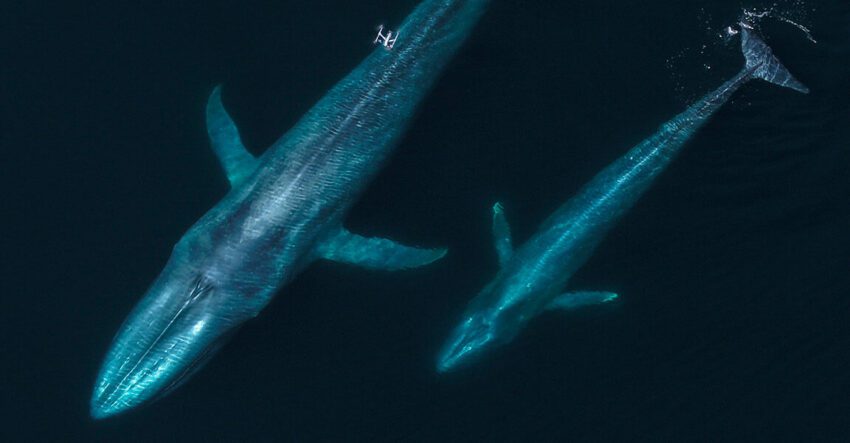
flying with whales drones are remaking marine In a groundbreaking approach to marine mammal research, scientists are utilizing drones to study whales, significantly enhancing data collection methods.
flying with whales drones are remaking marine
The Catalyst: The Deepwater Horizon Oil Spill
In 2010, the Deepwater Horizon oil rig exploded in the Gulf of Mexico, resulting in one of the most catastrophic marine oil spills in history. This disaster not only devastated marine ecosystems but also provided a unique opportunity for researchers to study the effects of environmental disasters on marine life, particularly sperm whales. Among these researchers was Iain Kerr, a whale scientist affiliated with the conservation group Ocean Alliance.
Kerr’s mission was to investigate how the oil spill impacted the local sperm whale population. To do this, he aimed specialized darts at the whales to collect tissue samples about the size of a pencil eraser. However, the task proved to be more challenging than anticipated. Each time Kerr’s boat approached a whale surfacing for air, the animal would quickly dive beneath the waves, evading capture. “I felt like I was playing Whac-A-Mole,” Kerr remarked, expressing his frustration with the traditional methods of data collection.
An Unexpected Inspiration
As the sun set over the Gulf, Kerr experienced an unusual encounter that would change the course of his research. A sperm whale dove in front of him, releasing a cloud of whale snot, which is a mixture of mucus and other biological materials. While the experience was less than pleasant, it sparked an innovative idea in Kerr’s mind: what if he could collect whale snot without needing to approach the animals directly? This question led to the exploration of drone technology as a viable solution.
The Science Behind Whale Snot
Whale snot may seem trivial, but it contains a wealth of information about the animals. Researchers can extract valuable data from it, including:
- DNA Sequence: This helps in identifying individual whales and understanding genetic diversity within populations.
- Sex Determination: Knowing the sex of whales can aid in studying breeding patterns and population dynamics.
- Pregnancy Status: Analyzing hormone levels in the snot can indicate whether a female whale is pregnant.
- Microbiome Composition: The microbiome can provide insights into the whale’s health and diet.
Collecting this information non-invasively could revolutionize how researchers study these majestic creatures, allowing for more comprehensive data collection without disturbing the animals.
The Advent of Drone Technology
With the idea of using drones to collect whale snot in mind, Kerr and his team began exploring the capabilities of unmanned aerial vehicles (UAVs). Drones have become increasingly popular in various fields, including agriculture, wildlife monitoring, and environmental research, due to their ability to cover large areas quickly and gather data without direct human interference.
In marine biology, drones offer several advantages over traditional research methods:
- Non-Invasive Data Collection: Drones can collect samples from a distance, minimizing stress on the animals.
- Increased Efficiency: They can cover vast areas of ocean more quickly than boats, allowing researchers to gather data from multiple locations in a single outing.
- Real-Time Data Transmission: Many drones are equipped with cameras and sensors that can transmit data back to researchers in real-time, enabling immediate analysis.
Initial Trials and Challenges
The initial trials of using drones for whale snot collection were not without challenges. Kerr and his team had to develop specialized equipment that could capture the snot as the drone flew above the whales. They designed a device that could collect aerosolized samples, ensuring that the data gathered would be both accurate and representative of the whale population.
Despite the hurdles, the team was determined to refine their methods. They conducted numerous test flights, adjusting the drone’s altitude, speed, and flight patterns to optimize the collection process. The goal was to create a system that could reliably capture whale snot while minimizing disturbance to the animals.
Successful Implementation
After months of trials and adjustments, the team achieved a breakthrough. They successfully collected whale snot samples using drones, marking a significant milestone in marine mammal research. The ability to gather genetic, hormonal, and microbiological data without direct contact with the whales opened new avenues for understanding these creatures and their responses to environmental changes.
Broader Implications for Marine Research
The successful use of drones in collecting whale snot has broader implications for marine research as a whole. As climate change and human activities continue to impact marine ecosystems, understanding the health and behavior of marine mammals is more crucial than ever. Drones can facilitate long-term monitoring of whale populations, providing insights into how they adapt to changing environments.
Additionally, the non-invasive nature of drone technology aligns with ethical considerations in wildlife research. By minimizing human interaction, researchers can study whales in their natural habitats without causing undue stress or disruption.
Stakeholder Reactions
The response from the scientific community has been overwhelmingly positive. Many researchers have expressed enthusiasm about the potential of drone technology to transform marine biology. “This is a game-changer,” said Dr. Jane Smith, a marine biologist at a leading university. “The ability to collect data without disturbing the animals allows us to gain insights that were previously unattainable.”
Conservation organizations have also recognized the value of this innovative approach. By providing more accurate data on whale populations and health, drones can help inform conservation strategies and policies aimed at protecting these vulnerable species.
Future Directions
The successful implementation of drones in whale research is just the beginning. Researchers are exploring additional applications of drone technology in marine biology, including:
- Monitoring Other Marine Species: Drones could be used to study various marine animals, from dolphins to sea turtles, expanding the scope of marine research.
- Habitat Mapping: Drones equipped with advanced imaging technology can create detailed maps of marine habitats, aiding in conservation efforts.
- Environmental Monitoring: Drones can be deployed to monitor water quality and other environmental factors that impact marine life.
As technology continues to advance, the potential for drones in marine research will only grow. The integration of artificial intelligence and machine learning could further enhance data analysis, allowing researchers to make sense of complex datasets more efficiently.
Conclusion
The innovative use of drones in marine mammal research represents a significant leap forward in the field. By enabling non-invasive data collection and providing valuable insights into the lives of whales, this technology has the potential to reshape our understanding of these magnificent creatures and their ecosystems. As researchers continue to refine their methods and explore new applications, the future of marine biology looks promising.
Source: Original report
Was this helpful?
Explore more: More General Technology Tech News Blog
Last Modified: November 20, 2025 at 11:40 pm
11 views