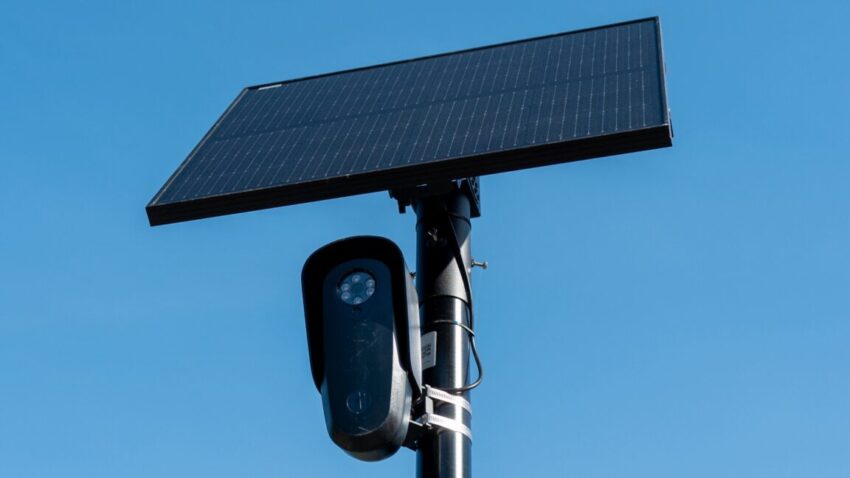
fbi seeks us-wide access to license plate The FBI is seeking nationwide access to a network of license plate readers, aiming for “near real-time” data to enhance law enforcement capabilities across the United States.
fbi seeks us-wide access to license plate
Overview of the FBI’s Proposal
On May 14, 2026, the Federal Bureau of Investigation (FBI) published a Request for Proposals (RFP) outlining its intention to procure access to a comprehensive network of license plate readers (LPRs). This initiative is part of the FBI Directorate of Intelligence’s broader strategy to improve public safety and enhance law enforcement operations. The FBI’s proposal indicates a significant shift towards utilizing advanced technology for monitoring and tracking vehicles across the nation.
Objectives of the License Plate Reader System
The FBI’s primary objective for this system is to evaluate and manage threats to personal safety, property, and law enforcement. By acquiring access to LPR data, the FBI aims to track subjects on roads and highways throughout the United States and its territories. The agency’s RFP emphasizes the need for professional service firms capable of providing LPRs that can deliver timely and accurate information to support law enforcement activities.
Requirements for Bidders
The RFP specifies several critical requirements that potential contractors must meet:
- Coverage: The system must cover at least 75 percent of locations across the U.S. and its territories.
- Data Search Capabilities: The system must allow for searches based on license plate information and other descriptive data, including vehicle descriptions, time and date criteria, and geo-location data.
- Notification System: The contractor’s system must provide notifications for search results, ensuring that law enforcement can act promptly on relevant information.
- Real-Time Data Access: The contractor’s system must be capable of accessing and querying cameras across the United States, providing data in near real time.
These requirements highlight the FBI’s commitment to leveraging technology to enhance its operational efficiency and effectiveness in addressing crime and public safety concerns.
Implications of the FBI’s Initiative
The FBI’s pursuit of access to a nationwide network of license plate readers raises several important implications for law enforcement, privacy, and civil liberties. As the agency seeks to enhance its capabilities, it is essential to consider the potential impact on citizens and the broader legal landscape.
Enhanced Law Enforcement Capabilities
One of the most immediate implications of this initiative is the potential for enhanced law enforcement capabilities. By gaining access to a vast network of LPRs, the FBI can improve its ability to track criminal activity, locate missing persons, and respond to emergencies more effectively. The near real-time data access could significantly reduce response times and improve situational awareness for law enforcement agencies across the country.
Furthermore, the ability to search for license plate information in conjunction with other descriptive data could aid investigations by providing law enforcement with critical context about vehicles involved in criminal activities. This capability may also facilitate inter-agency collaboration, allowing different law enforcement entities to share information more efficiently.
Concerns About Privacy and Civil Liberties
Despite the potential benefits, the FBI’s initiative has raised significant concerns regarding privacy and civil liberties. The widespread use of license plate readers could lead to increased surveillance of ordinary citizens, as their movements may be tracked without their knowledge or consent. Critics argue that such surveillance could infringe upon individual rights and create a chilling effect on free expression and assembly.
Moreover, the collection and storage of license plate data could lead to potential misuse or abuse by law enforcement agencies. There are concerns about how long this data will be retained, who will have access to it, and how it will be used in investigations. The lack of clear regulations governing the use of LPR data could exacerbate these concerns, prompting calls for greater oversight and accountability.
Stakeholder Reactions
The FBI’s proposal has elicited a range of reactions from various stakeholders, including civil rights organizations, law enforcement agencies, and technology vendors. Civil rights advocates have expressed alarm over the potential for mass surveillance and the implications for privacy rights. Organizations such as the American Civil Liberties Union (ACLU) have called for stricter regulations governing the use of LPR technology to protect citizens from unwarranted surveillance.
On the other hand, law enforcement agencies have largely welcomed the initiative, viewing it as a valuable tool for combating crime and enhancing public safety. Many agencies have already implemented LPR technology at local levels and have reported positive outcomes in terms of solving cases and apprehending suspects. The FBI’s push for a nationwide system could further bolster these efforts and provide additional resources for law enforcement.
Technological Considerations
The implementation of a nationwide LPR system will require significant technological infrastructure and investment. The FBI’s RFP indicates that the agency is looking for contractors with existing platforms capable of integrating LPR data seamlessly. This raises questions about the technological capabilities of potential vendors and the reliability of the systems they propose.
Additionally, the FBI will need to ensure that the data collected is secure and protected from unauthorized access. As cyber threats continue to evolve, safeguarding sensitive information will be paramount to maintaining public trust in law enforcement agencies. The FBI’s ability to manage and protect this data will be closely scrutinized as the initiative progresses.
Legal Framework and Oversight
As the FBI moves forward with its plans, it is essential to consider the legal framework governing the use of license plate readers. Currently, laws regulating the use of surveillance technology vary significantly across states and municipalities. Some jurisdictions have implemented strict regulations to protect citizens’ privacy, while others have adopted more permissive approaches.
The lack of a uniform legal framework raises concerns about the potential for inconsistent application of LPR technology and the risk of civil liberties violations. Advocacy groups are calling for comprehensive legislation that establishes clear guidelines for the use of LPR data, including provisions for transparency, accountability, and oversight.
Future of License Plate Reader Technology
The FBI’s initiative is likely to influence the future of license plate reader technology and its adoption across the country. As law enforcement agencies increasingly recognize the value of LPR systems, we may see a growing trend toward the integration of advanced surveillance technologies in policing practices.
However, this trend must be balanced with the need to protect citizens’ rights and ensure that surveillance measures are implemented responsibly. Ongoing public discourse and advocacy will play a crucial role in shaping the future of LPR technology and its impact on society.
Conclusion
The FBI’s request for nationwide access to license plate readers marks a significant development in the intersection of technology and law enforcement. While the potential benefits for public safety and crime prevention are evident, the initiative also raises important questions about privacy, civil liberties, and the need for robust oversight. As the FBI moves forward with its plans, it will be essential for stakeholders to engage in meaningful dialogue to address these concerns and ensure that the use of LPR technology aligns with the principles of justice and accountability.
Source: Original report
Was this helpful?
Explore more: Application Audit & Review More Cybersecurity Tech News
Last Modified: May 20, 2026 at 8:35 am
24 views